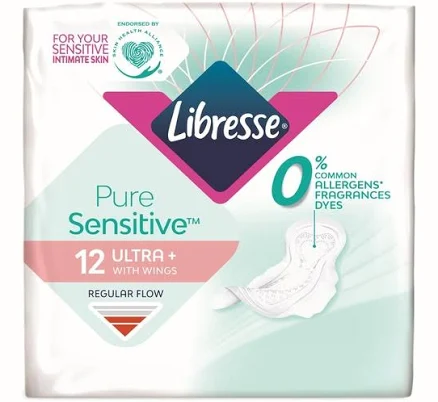
Libresse Ultra pure and sensitive normal sanitary pads
Skip until Libresse discloses coating chemistry or obtains third-party verification.
Libresse makes no PFAS claims and does not disclose the chemical composition of its waterproof barrier layers. Sanitary pads commonly use water-repellent coatings that may contain PFAS; independent lab testing is not publicly available.
The better-graded swap
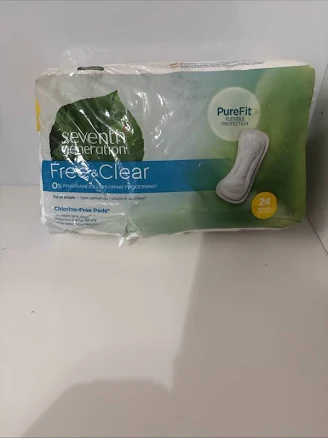
Seventh Generation
Seventh Generation Chlorine Free Maxi Pads
100/100 safety
Same rubric that flunked this product. The swap earned Excellent.
Still want this one anyway? Check the price on Amazon. We’d swap it.
Material
cellulose/cotton core with unspecified waterproof/fluid-barrier coatings
Brand disclosure
Brand is silent on PFAS
Lab data
No public lab test
You may also be interested in
Top-graded picks in the categories readers replace first, every one scored on the same rubric.

Aqua Pure
3M Aqua-Pure AP802B Whole House Filter Housing
- polypropylene filter housing, carbon/sediment cartridge
- We found no PFAS statement from the brand
- Bacterial growth in spent cartridges
3 hazards checked on this product. See all of them.

Aquasure
Premier Series 75 GPD Under Sink Reverse Osmosis Water Filtration System
- RO membrane, carbon filters, stainless steel housing
- We found no PFAS statement from the brand
- Bacterial and microbial growth in housing and filters
4 hazards checked on this product. See all of them.

Avocado
Vegan Mattress
- organic cotton, natural latex, coconut coir, recycled steel coils
- The brand calls it PFAS-free, which we have not verified
- Heavy metals
2 hazards checked on this product. See all of them.
What Libresse Ultra pure and sensitive normal is made of, ingredients and materials
Libresse Ultra Pure and Sensitive uses a cellulose and cotton core, which are biodegradable plant fibers with no inherent toxicity concern. The critical unknown is the waterproof/fluid-barrier coating applied to prevent leakage; Libresse does not publicly identify this coating material. Industry-standard barriers in budget and mid-range pads typically use Teflon-type coating (Teflon) or polyurethane films, both of which carry separate hazard profiles. Without disclosure, users cannot assess whether this coating introduces PFAS, volatile organic compounds during manufacturing, or skin contact irritants.
What’s concerning
Waterproof / stain-resistant treatment
Water-repellent coating treatments have historically used PFAS.
Category baseline
The starting point for this type of product, before anything specific to this product is counted.
No PFAS disclosure
No public statement from the brand about PFAS in this product.
Waterproof coating composition (undisclosed)
Libresse does not identify the fluid-barrier coating material. Industry-standard waterproof layers in pads often use Teflon-type coating or polyurethane, both of which may contain PFAS, volatile organic compounds, or skin irritants. Without third-party testing or brand disclosure, users cannot verify safety.
Skin irritants and sensitizers in coatings or adhesives
The marketing claim 'sensitive' suggests the brand acknowledges skin sensitivity concerns, but provides no ingredient list or allergen testing summary. Adhesives, fragrance additions (if present), or coating degradation byproducts could trigger contact dermatitis. Users reporting irritation have limited recourse without knowing what they are exposed to.
What’s reassuring
Dioxins and furans (chlorine-bleached cellulose)
Cellulose cores in pads are typically bleached; Libresse does not specify whether Elemental Chlorine Free (ECF) or Totally Chlorine Free (TCF) methods are used. Trace dioxin contamination in conventionally bleached cellulose is regulated but not eliminated. No specific dioxin testing or recalls have been reported for Libresse products.
Microparticle shedding from coating degradation
No published data exists on whether Libresse pad coatings shed microparticles during normal use or after prolonged storage. Polymeric coatings can degrade under moisture and body heat; the health impact of inhaling or absorbing shed particles is not established for this product.
Formaldehyde / VOCs
Cellulose and cotton do not inherently require formaldehyde resins, but some manufacturers use them in sizing or finish treatments. Libresse does not disclose use or absence of formaldehyde. No recalls or confirmed contamination have been reported for this brand.
Source, ATSDR ↗The full breakdown
The brand's record and disclosure
Libresse (owned by Essity, a Swedish hygiene company) has not published ingredient lists, coating chemistry, or third-party certifications (such as Nordic Swan or EU Ecolabel) for this product line. The brand markets 'pure and sensitive' positioning but provides no evidence of testing for allergens, dioxins, or coating safety. No major recalls or regulatory actions specific to Libresse pads have been publicly documented, but the absence of transparency is notable in a market where competitors increasingly disclose materials. Silence on coating composition is a red flag given industry-wide PFAS use in menstrual products.
How it compares in its category
Libresse Ultra Pure occupies a mainstream mid-market position; it is cheaper than certified organic brands (Seventh Generation, Cora, Flex) that publish full ingredient and coating data, but not cheaper than budget store brands that are equally opaque. Competitors like Tampax and Always offer similar non-disclosure, making this a category-wide problem rather than a Libresse-specific failure. Brands that have committed to phasing out PFAS or obtained third-party verification (Cora, Flex) represent the current standard for informed purchase; Libresse has not matched this standard. Most mainstream pads remain unverified on coating composition.
If you buy it
Store pads in a cool, dry place away from direct sunlight and heat, as humidity and warmth can accelerate degradation of coatings and release of volatile compounds. Change pads every 4-8 hours depending on flow; do not leave a pad in place longer than necessary, as prolonged skin contact with any undisclosed coating material increases absorption risk. If you experience skin irritation, itching, or unusual odor, discontinue use and switch to a brand with published material safety data. Monitor future Libresse product announcements; if the company commits to PFAS-free or verified coatings, re-evaluation may be warranted.
What we don’t know
- Basis
- Model estimate, 35% confidence, not a lab result
- Lab test
- None on record for this exact product
- Brand statement
- Libresse has made none
Formulations change between production runs, so check the current label. How we grade.
Better-graded alternatives in Period Pads
Seventh Generation
Chlorine Free Maxi Pads
- organic cotton, wood pulp
- The brand calls it PFAS-free, which we have not verified
- Fragrance allergen content
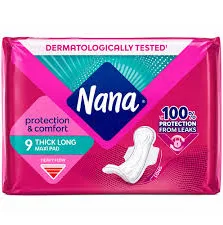
Nana
Maxi Thick
- cellulose, cotton blend, absorbent core
- We found no PFAS statement from the brand
- Bleach residues and processing chemicals in cellulose
3 hazards checked on this product. See all of them.
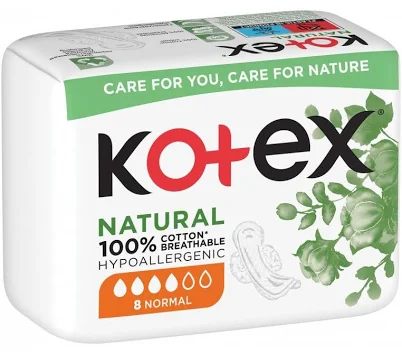
Kotex Natural
10pack Kotex Natural Normal Sanitary Pads
- Cotton, wood pulp absorbent core, plastic backing
- We found no PFAS statement from the brand
- Pesticide residue
2 hazards checked on this product. See all of them.
More period pads grades
How we score, every product runs through the same public 0-100 rubric based on materials, coatings, brand disclosure, lab findings, and recalls. See the full methodology → Spotted a mistake? Report an error.