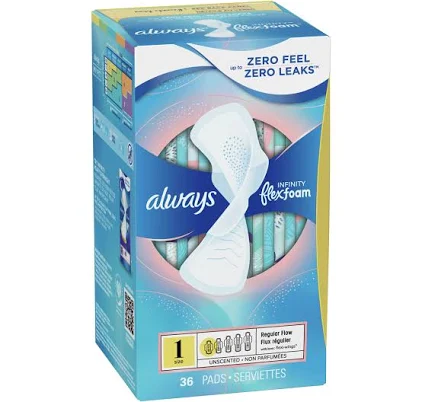
Always Infinity FlexFoam Pads
Skip until Always discloses waterproof layer composition; period products warrant PFAS transparency.
Waterproof backing for leakproof function often uses fluorinated chemistry. Always doesn't disclose specific coating materials or PFAS status.
The better-graded swap
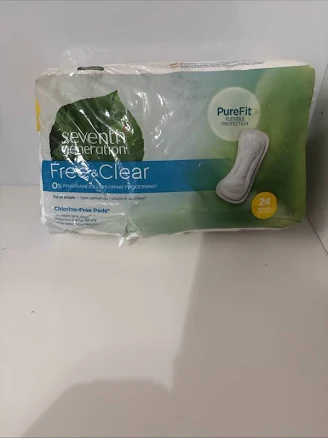
Seventh Generation
Seventh Generation Chlorine Free Maxi Pads
100/100 safety
Same rubric that flunked this product. The swap earned Excellent.
Still want this one anyway? Check the price on Amazon. We’d swap it.
Material
Absorbent core with unspecified waterproof backing layer
Lab data
No public lab test
You may also be interested in
Top-graded picks in the categories readers replace first, every one scored on the same rubric.

- polypropylene filter housing, carbon/sediment cartridge
- We found no PFAS statement from the brand
- Bacterial growth in spent cartridges
3 hazards checked on this product, all on its full breakdown.

Aquasure
Premier Series 75 GPD Under Sink Reverse Osmosis Water Filtration System
- RO membrane, carbon filters, stainless steel housing
- We found no PFAS statement from the brand
- Bacterial and microbial growth in housing and filters
4 hazards checked on this product, all on its full breakdown.

Avocado
Vegan Mattress
- organic cotton, natural latex, coconut coir, recycled steel coils
- The brand calls it PFAS-free, which we have not verified
- Heavy metals
2 hazards checked on this product, all on its full breakdown.
What Always Infinity FlexFoam Pads is made of, ingredients and materials
Always Infinity FlexFoam pads use a cellulose-based absorbent core (standard for period products) paired with an unnamed waterproof backing layer, likely a thermoplastic polymer or polyethylene film. The specific composition of that backing is not publicly disclosed by the brand, which is the core issue for PFAS risk assessment. Period pads require waterproof layers to prevent leakage, but manufacturers rarely specify whether these contain PFAS or fluorochemical water repellents, making informed choice difficult.
What’s concerning
Category baseline
The starting point for this type of product, before anything specific to this product is counted.
No PFAS disclosure
No public statement from the brand about PFAS in this product.
Waterproof / stain-resistant treatment
Water-repellent coating treatments have historically used PFAS.
PFAS
Waterproof backing composition is undisclosed; fluorochemical water repellents are common in period-pad backings and known to contain PFAS. No specific test results for Always Infinity FlexFoam are publicly available.
Source, ATSDR ↗Absorbent-core additives (dioxins, dyes, residual bleach)
Cellulose cores are typically bleached and may contain trace dioxins or dyes; Always does not disclose whether FlexFoam uses chlorine bleaching. Industry standard is low enough that regulatory concern is minimal, but transparency is absent.
Fragrance allergens (if fragmented version used)
Always Infinity products include fragrance and alcohol additives; contact dermatitis and irritation are reported by users sensitive to synthetic fragrances. FlexFoam variants without fragrance are available and reduce this risk.
Skin irritation from backing material or adhesive
No widespread reports specific to FlexFoam, but synthetic polymer backings and adhesives can cause contact dermatitis or rash in sensitive individuals. Reaction risk is lower than with highly fragranced or dyed products.
What’s reassuring
Microfiber shedding or material degradation
No documented cases of FlexFoam backing shedding microplastics during use. Pads are discarded intact under normal use, so exposure to degradation products is unlikely.
How is this PFAS grade calculated?
The brand's record and disclosure
Always (Procter & Gamble) has not published ingredient lists or material transparency statements specific to FlexFoam's backing layer composition. The brand has faced criticism from period-product safety advocates for declining to disclose PFAS use in menstrual products, despite disclosing fragrance and other additives. No recalls or major safety incidents have been reported for Always Infinity pads, and the brand holds no third-party certifications (such as FDA approval) that would independently verify material safety.
How it compares in its category
Most mainstream period pads (Kotex, Tampax, Playtex) share the same waterproof-backing transparency gap; few brands fully disclose whether their backings contain PFAS. Some smaller brands (Cora, Rael) market themselves with PFAS-free or plastic-reduced positioning, though independent verification is limited. Organic cotton pads (Seventh Generation, Aunt Flow) typically avoid synthetic backings or specify their materials, offering a clearer alternative if PFAS avoidance is a priority.
If you buy it
Always Infinity pads are designed for single use and disposal; no maintenance or reuse is involved, reducing long-term exposure risk compared to reusable alternatives. Store in a cool, dry place away from direct heat to avoid any potential material breakdown. If concerned about PFAS, contact Always/P&G directly requesting waterproof-layer composition before committing to regular use. Consider rotating with PFAS-transparent brands or switching to certified organic options if this is a priority for your health profile.
What is not known about PFAS in this product?
- Basis
- Model estimate, 45% confidence, not a lab result
- Lab test
- None on record for this exact product
- Brand statement
- Always has made a specific claim
Formulations change between production runs, so check the current label. How we grade.
What are the PFAS-free alternatives to Always Infinity FlexFoam Pads?
- organic cotton, wood pulp
- The brand calls it PFAS-free, which we have not verified
- Fragrance allergen content
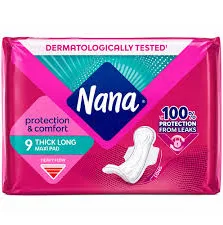
- cellulose, cotton blend, absorbent core
- We found no PFAS statement from the brand
- Bleach residues and processing chemicals in cellulose
3 hazards checked on this product, all on its full breakdown.
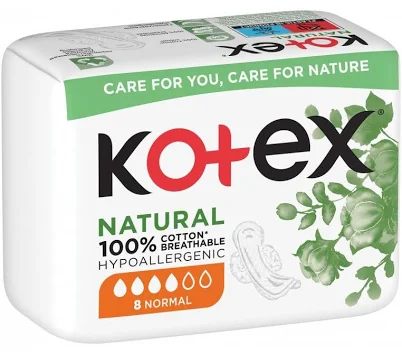
- Cotton, wood pulp absorbent core, plastic backing
- Pesticide residue
2 hazards checked on this product, all on its full breakdown.
More period pads grades
How we score, every product runs through the same public 0-100 rubric based on materials, coatings, brand disclosure, lab findings, and recalls. See the full methodology → Spotted a mistake? Report an error.