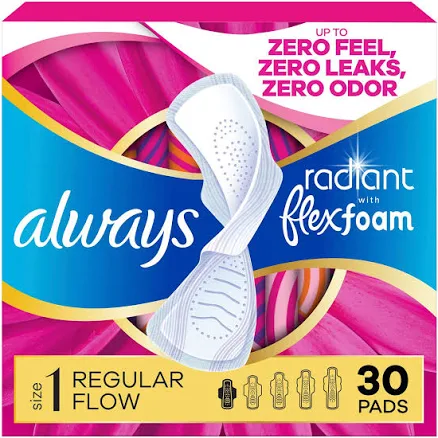
Always Radiant Regular Pads With Wings
Lower concern but opaque; waterproof backing likely uses water-repellent coating, brand silent.
Waterproof plastic backing may contain PFAS-based water-repellent coating coatings, but Procter & Gamble provides no public disclosure. No third-party verification exists.
The better-graded swap
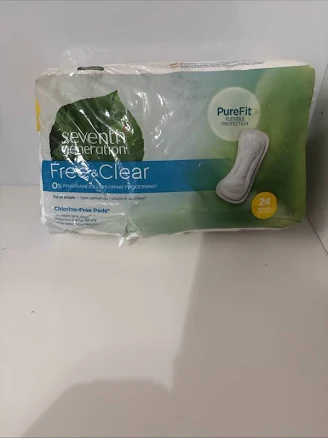
Seventh Generation
Seventh Generation Chlorine Free Maxi Pads
100/100 safety
Same rubric that flunked this product. The swap earned Excellent.
Still want this one anyway? Check the price on Amazon. We’d swap it.
Material
cellulose/SAP absorbent core with waterproof plastic backing
Lab data
No public lab test
You may also be interested in
Top-graded picks in the categories readers replace first, every one scored on the same rubric.

- polypropylene filter housing, carbon/sediment cartridge
- We found no PFAS statement from the brand
- Bacterial growth in spent cartridges
3 hazards checked on this product, all on its full breakdown.

Aquasure
Premier Series 75 GPD Under Sink Reverse Osmosis Water Filtration System
- RO membrane, carbon filters, stainless steel housing
- We found no PFAS statement from the brand
- Bacterial and microbial growth in housing and filters
4 hazards checked on this product, all on its full breakdown.

Avocado
Vegan Mattress
- organic cotton, natural latex, coconut coir, recycled steel coils
- The brand calls it PFAS-free, which we have not verified
- Heavy metals
2 hazards checked on this product, all on its full breakdown.
What Always Radiant Regular Pads With Wings is made of, ingredients and materials
Always Radiant Regular pads use a cellulose and superabsorbent polymer (SAP, likely sodium polyacrylate) core for fluid absorption, layered with a plastic film backing to prevent leakage. The waterproof backing's formulation is not publicly disclosed by Procter & Gamble; such backings commonly rely on water-repellent coating (water-repellent coating) coatings, which may contain PFAS or fluorine-free alternatives, but Always has not clarified their choice. Cellulose is relatively inert; the main chemical concern centers on what residues or additives remain in the SAP and whether the plastic backing leaches into the menstrual fluid over hours of wear.
What’s concerning
Category baseline
The starting point for this type of product, before anything specific to this product is counted.
No PFAS disclosure
No public statement from the brand about PFAS in this product.
Waterproof / stain-resistant treatment
Water-repellent coating treatments have historically used PFAS.
Plastic backing composition and leaching
The waterproof plastic layer's full chemical identity is not disclosed by Always or P&G. While modern pads are designed to minimize leaching, trace compounds from plasticizers or water-repellent coating coatings could theoretically migrate into menstrual fluid under warm, humid conditions; no published safety data from the brand is available to rule this out.
Synthetic dyes and fragrance in top sheet
Always Radiant pads may contain synthetic dyes for visual branding and undisclosed fragrance compounds (often labeled as 'perfume' without ingredient breakdown). Fragrance allergens and dyes can trigger contact dermatitis or irritation in sensitive individuals; no hypoallergenic or fragrance-free certification is provided.
What’s reassuring
Superabsorbent polymer (SAP) purity and residues
Sodium polyacrylate in menstrual pads is widely used and generally recognized as safe by regulatory bodies when used in this application. No recalls or adverse event reports specifically linking Always Radiant SAP to systemic toxicity are on record; however, manufacturing residues or unreacted monomer are not routinely disclosed.
Formaldehyde / VOCs
Cellulose-based absorbent cores do not inherently contain formaldehyde releasers, but adhesives or finishing agents used to bond layers could theoretically introduce them. No published testing or disclosure from Always clarifies whether formaldehyde-releasing compounds are used in the manufacturing process.
Source, ATSDR ↗Dioxin contamination from bleaching
Cellulose in modern pads is typically bleached with elemental chlorine or chlorine dioxide; modern mills are regulated to minimize dioxin formation. Always does not specify bleaching method, but dioxin residues in contemporary menstrual pads are considered negligible by regulatory standards if conventional bleaching is used.
How is this PFAS grade calculated?
The brand's record and disclosure
Procter & Gamble (Always owner) has not published ingredient lists for menstrual pads or publicly committed to PFAS elimination in this category, despite growing pressure from health advocates. The brand holds no independent safety certifications (e.g., Cradle to Cradle, Oeko-Tex) for these products, which limits third-party verification of chemical content. P&G's general sustainability reports focus on packaging and waste, not pad chemistry, leaving questions about formulation transparency unanswered.
How it compares in its category
Always Radiant is a mainstream, single-use disposable pad; it occupies the middle market between budget brands (often less regulated) and premium or organic alternatives (e.g., Seventh Generation, Rael, Veeda) that pursue explicit chemical certifications or disclose ingredient sourcing. Conventional pads dominate sales but typically do not publish full chemical data, making direct safety comparison difficult. Organic or plant-based pad brands tend to advertise fewer synthetic polymers and dyes, though cost and availability are trade-offs.
If you buy it
Use pads as directed on the package; change every 4-8 hours to minimize prolonged contact with the plastic backing and any potential leachables. Store in a cool, dry place away from heat or direct sunlight to avoid accelerating any degradation of the polymer core or plastic film. If you experience irritation, redness, or unusual odor, consider switching brands or consulting a healthcare provider, as sensitivity can vary individually. Do not rinse and reuse; these are single-use products designed for disposal.
What is not known about PFAS in this product?
- Basis
- Model estimate, 45% confidence, not a lab result
- Lab test
- None on record for this exact product
- Brand statement
- Always has made a specific claim
Formulations change between production runs, so check the current label. How we grade.
What are the PFAS-free alternatives to Always Radiant Regular Pads With Wings?
- organic cotton, wood pulp
- The brand calls it PFAS-free, which we have not verified
- Fragrance allergen content
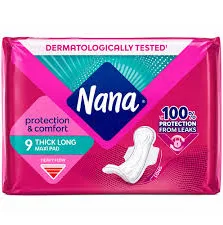
- cellulose, cotton blend, absorbent core
- We found no PFAS statement from the brand
- Bleach residues and processing chemicals in cellulose
3 hazards checked on this product, all on its full breakdown.
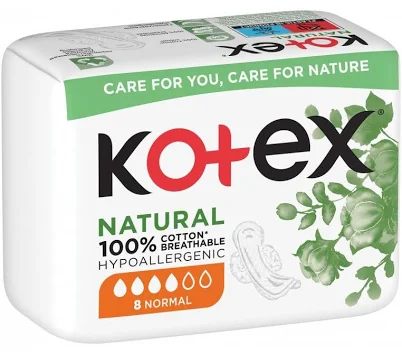
- Cotton, wood pulp absorbent core, plastic backing
- Pesticide residue
2 hazards checked on this product, all on its full breakdown.
More period pads grades
How we score, every product runs through the same public 0-100 rubric based on materials, coatings, brand disclosure, lab findings, and recalls. See the full methodology → Spotted a mistake? Report an error.