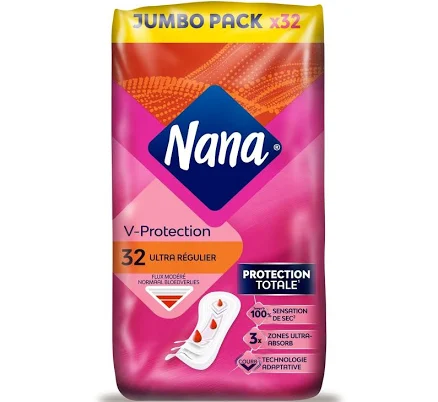
Nana Ultra Regular Sanitary Towels Moderate Flow
Lower concern, but waterproof layer composition unconfirmed by brand.
Sanitary pads typically use cellulose cores with synthetic topsheets. Nana does not disclose PFAS status or waterproof treatment chemistry, raising moderate uncertainty despite lower inherent risk versus coated apparel.
The better-graded swap
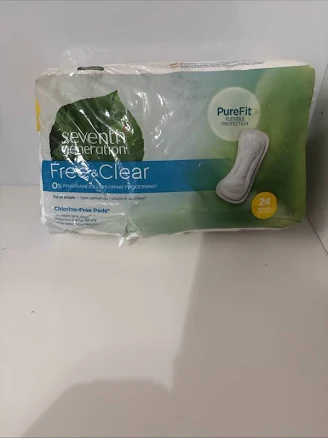
Seventh Generation
Seventh Generation Chlorine Free Maxi Pads
100/100 safety
Same rubric that flunked this product. The swap earned Excellent.
Still want this one anyway? Check the price on Amazon. We’d swap it.
Material
cellulose, absorbent core, likely aqueous or silicone topsheet treatment
Brand disclosure
Brand is silent on PFAS
Lab data
No public lab test
You may also be interested in
Top-graded picks in the categories readers replace first, every one scored on the same rubric.

- polypropylene filter housing, carbon/sediment cartridge
- We found no PFAS statement from the brand
- Bacterial growth in spent cartridges
3 hazards checked on this product, all on its full breakdown.

Aquasure
Premier Series 75 GPD Under Sink Reverse Osmosis Water Filtration System
- RO membrane, carbon filters, stainless steel housing
- We found no PFAS statement from the brand
- Bacterial and microbial growth in housing and filters
4 hazards checked on this product, all on its full breakdown.

Avocado
Vegan Mattress
- organic cotton, natural latex, coconut coir, recycled steel coils
- The brand calls it PFAS-free, which we have not verified
- Heavy metals
2 hazards checked on this product, all on its full breakdown.
What Nana Ultra Regular Sanitary Moderate Flow is made of, ingredients and materials
Nana Ultra Regular uses a cellulose-based absorbent core, a standard material across most menstrual pads that poses minimal chemical leaching risk under normal use. The topsheet (the layer touching skin) is typically treated with either silicone or aqueous-based agents to improve fluid distribution and prevent rewet. The exact composition of Nana's topsheet treatment is not publicly disclosed by the brand, which means the potential for irritant or allergenic residues cannot be ruled out, though cellulose products rarely trigger contact dermatitis in clinical testing.
What’s concerning
Waterproof / stain-resistant treatment
Water-repellent coating treatments have historically used PFAS.
Category baseline
The starting point for this type of product, before anything specific to this product is counted.
No PFAS disclosure
No public statement from the brand about PFAS in this product.
Topsheet polymer/treatment composition unknown
The absorbent topsheet is treated to prevent rewetting, but Nana does not disclose whether silicone, polyacrylate, or other agents are used; these are skin-contact materials and undisclosed formulations create uncertainty around irritant or sensitizer content.
Contact dermatitis and skin irritation (generic)
Cellulose products are generally low-risk for allergic reaction, but additives in the topsheet and adhesive can trigger irritation in sensitive individuals; no published hypoallergenic testing data is available for this brand.
Moisture retention and bacterial/fungal growth
All occlusive menstrual pads create a warm, moist microenvironment; improper wear duration or infrequent changes increases risk of bacterial overgrowth and odor, not a chemical hazard but a hygiene management issue.
What’s reassuring
Chlorine or bleach residues in cellulose
Cellulose in period pads is typically bleached during manufacture; Nana does not disclose bleaching method. Elemental chlorine bleaching is largely phased out in EU production (where SCA operates), but ECF (elemental-chlorine-free) residues are a theoretical minor concern.
Synthetic fragrance or odor-control additives
This product is marketed as unscented; no fragrance allergens are listed or known to be present, but fragrances can be added to adhesive or topsheet without explicit labeling in many markets.
How is this PFAS grade calculated?
The brand's record and disclosure
Nana (owned by SCA, a Swedish hygiene company) does not publicly disclose full material compositions or safety certifications for this product line on packaging or their website. The brand has no known recalls related to chemical contamination, but also maintains silence on PFAS use in the waterproofing layer, which is standard industry practice for most budget-tier period-care brands. No independent certifications such as Cradle to Cradle or standard allergen testing badges appear on this product.
How it compares in its category
Nana Ultra occupies the mainstream, affordable segment of the menstrual pad market. Compared to premium brands (Kotex, Always Infinity), it offers fewer material transparency guarantees and no published hypoallergenic testing; compared to budget alternatives, it is broadly similar in construction and risk profile. Organic or GOTS-certified period pads offer stricter chemical controls and full ingredient disclosure, but at significantly higher cost.
If you buy it
Store in a cool, dry location away from direct sunlight to prevent degradation of the topsheet polymer coating. Discontinue use immediately if you experience itching, burning, or rash and switch to a hypoallergenic alternative for one cycle to test whether the product is the cause. Replace the pad every 4-8 hours depending on flow to minimize bacterial growth and skin maceration; do not leave on overnight if you experience sensitivity. If you have a history of contact dermatitis, consider patch-testing a single use on a small skin area before full adoption.
What is not known about PFAS in this product?
- Basis
- Model estimate, 62% confidence, not a lab result
- Lab test
- None on record for this exact product
- Brand statement
- Nana has made none
Formulations change between production runs, so check the current label. How we grade.
What are the PFAS-free alternatives to Nana Ultra Regular Sanitary Towels Moderate Flow?
- organic cotton, wood pulp
- The brand calls it PFAS-free, which we have not verified
- Fragrance allergen content
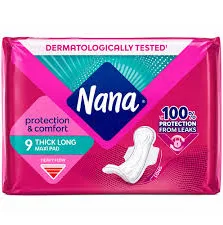
- cellulose, cotton blend, absorbent core
- We found no PFAS statement from the brand
- Bleach residues and processing chemicals in cellulose
3 hazards checked on this product, all on its full breakdown.
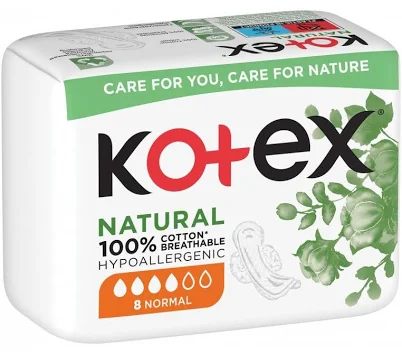
- Cotton, wood pulp absorbent core, plastic backing
- Pesticide residue
2 hazards checked on this product, all on its full breakdown.
More period pads grades
How we score, every product runs through the same public 0-100 rubric based on materials, coatings, brand disclosure, lab findings, and recalls. See the full methodology → Spotted a mistake? Report an error.