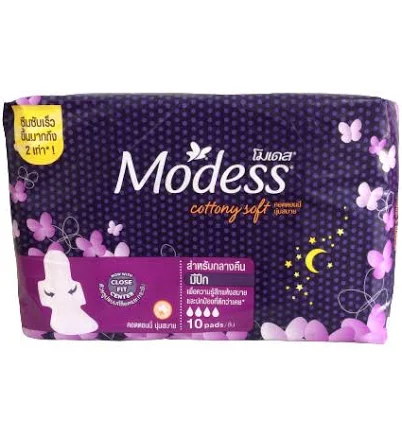
Modess Cottony Soft All Night Pads
Skip until brand discloses waterproof treatment chemistry.
Modess does not disclose PFAS status or waterproof coating composition. Many period pads use waterproof layers that may contain PFAS; confirm with brand or choose verified alternatives.
The better-graded swap
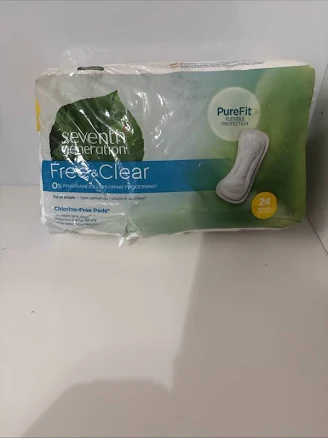
Seventh Generation
Seventh Generation Chlorine Free Maxi Pads
100/100 safety
Same rubric that flunked this product. The swap earned Excellent.
Still want this one anyway? Check the price on Amazon. We’d swap it.
Material
cotton/rayon blend with waterproof backing coating
Brand disclosure
Brand is silent on PFAS
Lab data
No public lab test
You may also be interested in
Top-graded picks in the categories readers replace first, every one scored on the same rubric.

Aqua Pure
3M Aqua-Pure AP802B Whole House Filter Housing
- polypropylene filter housing, carbon/sediment cartridge
- We found no PFAS statement from the brand
- Bacterial growth in spent cartridges
3 hazards checked on this product. See all of them.

Aquasure
Premier Series 75 GPD Under Sink Reverse Osmosis Water Filtration System
- RO membrane, carbon filters, stainless steel housing
- We found no PFAS statement from the brand
- Bacterial and microbial growth in housing and filters
4 hazards checked on this product. See all of them.

Avocado
Vegan Mattress
- organic cotton, natural latex, coconut coir, recycled steel coils
- The brand calls it PFAS-free, which we have not verified
- Heavy metals
2 hazards checked on this product. See all of them.
What Modess Cottony Soft All Night Pads is made of, ingredients and materials
Modess Cottony Soft All Night uses a cotton and rayon fiber blend for absorbency, paired with a synthetic waterproof backing to prevent leakage. The backing coating is the critical unknown, waterproof treatments on period pads are commonly applied with PFAS-based or PFAS-free chemistry, but Modess has not publicly disclosed which approach they use. Rayon is processed cellulose and carries no inherent toxicological concern in this application; cotton similarly has no known hazard when grown and processed under standard commercial practices.
What’s concerning
Waterproof / stain-resistant treatment
Water-repellent coating treatments have historically used PFAS.
Category baseline
The starting point for this type of product, before anything specific to this product is counted.
No PFAS disclosure
No public statement from the brand about PFAS in this product.
PFAS
Waterproof backing composition is undisclosed by Modess. PFAS-based Teflon-family coating are still common in menstrual product coatings; absence of disclosure does not confirm safety.
Source, ATSDR ↗What’s reassuring
Skin sensitization or irritation from coating additives
No reports of allergic reactions or dermatitis linked to Modess pads are on record. Cotton/rayon blends are low-risk for contact sensitizers, but unidentified coating chemistry cannot be fully ruled out.
Formaldehyde / VOCs
Period pads do not typically use formaldehyde-based finishes; cotton and rayon processing is unlikely to introduce residual formaldehyde at levels of concern. No evidence specific to Modess exists.
Source, ATSDR ↗Heavy metals
Modess pads use standard cellulose-blend absorbents and synthetic backings; no heavy metal contamination or azo dye concerns are documented for this product.
Source, FDA ↗Microplastic shedding or degradation
Synthetic backing materials do not shed microplastics under normal use conditions (no heating, abrasion, or chemical degradation occurs). No evidence of this hazard exists for period pads in general.
The full breakdown
The brand's record and disclosure
Modess, owned by Procter and Gamble, has not published ingredient lists or waterproof coating chemistry for this product line. Major competitors (Kotex, Tampax) have begun responding to PFAS disclosure requests with transparency or reformulation claims, but Modess remains silent on waterproof treatment composition. No product recalls or safety controversies specific to Modess pads are on public record. This silence is the core issue, without disclosure, the presence or absence of PFAS-based water-repellents cannot be verified.
How it compares in its category
Period pads are a high-use intimate product category where PFAS exposure is a documented concern due to waterproof coatings worn against skin for extended hours. Some brands (Seventh Generation, Cora) market PFAS-free or disclosed-safe backings; others remain opaque. Modess positions itself as a mainstream, value option and has not adopted the transparency trend that is now becoming table stakes in the category. Unbranded or smaller-brand pads vary widely in disclosure quality, making comparison difficult.
If you buy it
Store in a cool, dry place; no heat exposure or special care is needed. Replace pads as directed by flow and comfort; do not reuse. If you experience skin irritation, rash, or unusual odor, discontinue and consider switching to a brand with transparent coating chemistry. Because the waterproof treatment is not disclosed, switching to a competitor with public PFAS-free or PFAS-safe claims may reduce your exposure uncertainty.
What we don’t know
- Basis
- Model estimate, 45% confidence, not a lab result
- Lab test
- None on record for this exact product
- Brand statement
- Modess has made none
Formulations change between production runs, so check the current label. How we grade.
Better-graded alternatives in Period Pads
Seventh Generation
Chlorine Free Maxi Pads
- organic cotton, wood pulp
- The brand calls it PFAS-free, which we have not verified
- Fragrance allergen content
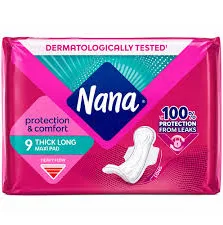
Nana
Maxi Thick
- cellulose, cotton blend, absorbent core
- We found no PFAS statement from the brand
- Bleach residues and processing chemicals in cellulose
3 hazards checked on this product. See all of them.
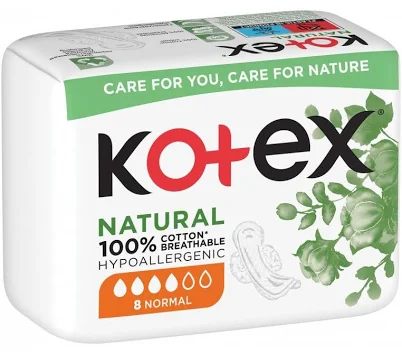
Kotex Natural
10pack Kotex Natural Normal Sanitary Pads
- Cotton, wood pulp absorbent core, plastic backing
- We found no PFAS statement from the brand
- Pesticide residue
2 hazards checked on this product. See all of them.
More period pads grades
How we score, every product runs through the same public 0-100 rubric based on materials, coatings, brand disclosure, lab findings, and recalls. See the full methodology → Spotted a mistake? Report an error.