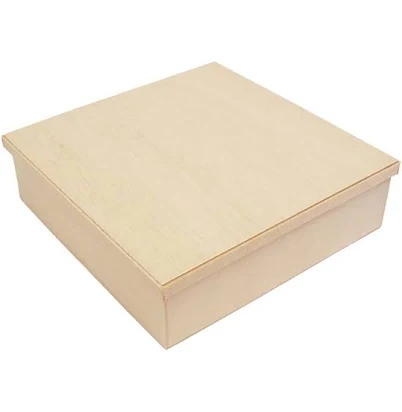
Coco Wooden Square Takeout Bento Box
Lower concern. Wood material itself is not linked to PFAS.
The product is made from wood, a material not associated with PFAS. The brand has no PFAS statement on record. The interior finish chemistry is not stated, so any water or grease-repellent coating applied is undisclosed.
We flunk more products than we pass. This one earned its grade. How we grade
Material
Wood (likely bamboo or hardwood composite)
Brand disclosure
Brand is silent on PFAS
Lab data
No public lab test
You may also be interested in
Top-graded picks in the categories readers replace first, every one scored on the same rubric.

- polypropylene filter housing, carbon/sediment cartridge
- We found no PFAS statement from the brand
- Bacterial growth in spent cartridges
3 hazards checked on this product, all on its full breakdown.

Aquasure
Premier Series 75 GPD Under Sink Reverse Osmosis Water Filtration System
- RO membrane, carbon filters, stainless steel housing
- We found no PFAS statement from the brand
- Bacterial and microbial growth in housing and filters
4 hazards checked on this product, all on its full breakdown.

Avocado
Vegan Mattress
- organic cotton, natural latex, coconut coir, recycled steel coils
- The brand calls it PFAS-free, which we have not verified
- Heavy metals
2 hazards checked on this product, all on its full breakdown.
What Coco Wooden Square Takeout Bento Box is made of, ingredients and materials
This bento box is likely made from bamboo or hardwood composite bonded with food-safe adhesives. Wood itself does not leach BPA, phthalates, or microplastics into food, unlike plastics. The primary chemical risk depends entirely on what surface treatment (if any) applied, unfinished wood is inert, but opaque finishes or water-repellent coatings could introduce synthetic resins or undisclosed additives. The square design and food-contact claim suggest it is intended for direct contact with ready-to-eat foods rather than hot liquids.
What’s concerning
Category baseline
The starting point for this type of product, before anything specific to this product is counted.
No PFAS disclosure
No public statement from the brand about PFAS in this product.
Formaldehyde / VOCs
If this is a bamboo or hardwood composite (plywood-like construction), the glue binding the layers may contain urea-formaldehyde or polyurethane resins. Exposure risk is low for cold food storage but higher if the box is heated or left sealed for prolonged periods. No test data for this specific product is publicly available.
Source, ATSDR ↗Surface finish composition undisclosed
The brand does not specify whether a lacquer, epoxy, polyurethane, or wax finish was applied. If present, these coatings could contain volatile organics (VOCs), low levels of residual monomers, or heavy-metal drying agents. Food contact safety cannot be confirmed without manufacturer disclosure or third-party testing.
Wood degradation and splinter/crack formation
Wooden food containers degrade over time, especially if exposed to moisture or temperature swings. Splintering poses a physical ingestion risk; splits in wood can harbor bacterial growth if not cleaned thoroughly. This is a durability issue rather than a chemical one, but affects food safety after extended use.
Microbial growth if not dried properly
Wood is porous and absorbs water. If the bento box is not dried immediately after washing or stored in humid conditions, mold and bacteria can colonize the material, especially at joints and adhesive lines. This risk is inherent to wood food contact ware and requires disciplined care.
What’s reassuring
Base material not linked to PFAS
The main material recorded for this product is not one associated with PFAS.
Heavy metals
If the box has colored stains or decorative dyes applied, cadmium or lead could theoretically be present in organic pigments. No evidence of this in products is on record, and natural wood color suggests minimal dye use. Confirm with the brand if dark staining is visible.
Source, FDA ↗How is this PFAS grade calculated?
The brand's record and disclosure
The brand provides no publicly available material safety data, manufacturing transparency, or third-party certifications (FSC, food-contact testing) for this product. The brand's silence on coating composition is the main disclosure gap; many wooden food containers use epoxy, polyurethane, or wax finishes without listing them. No recalls, safety violations, or documented complaints about this specific model appear in public records. Without certification from NSF, FDA clearance documentation, or manufacturer specs, you cannot confirm whether the finish is food-safe or contains low-concern additives.
How it compares in its category
Wooden bento boxes rank well against plastic alternatives (which carry BPA/phthalate risk) and ceramic boxes (which may have lead in glazes). Most branded wood bento boxes from larger manufacturers (e.g., Hakoya, Takenaka) disclose materials and certifications; The brand's lack of detail is below that standard. Uncoated or wax-finished wood boxes are chemically simpler than plastic or silicone hybrids, making them a conservative choice if coating composition can be verified.
If you buy it
Do not use in microwave or dishwasher, as heat and moisture degrade wood and can mobilize any surface finish. Hand wash with mild soap and dry immediately to prevent swelling, mold, and degradation of adhesives. Inspect the surface for cracks, splinters, or peeling after 6-12 months; replace if coating deteriorates or wood shows signs of contamination. Store in a dry place; prolonged damp storage risks fungal growth and accelerates breakdown of the box structure.
What is not known about PFAS in this product?
- Basis
- Model estimate, 78% confidence, not a lab result
- Lab test
- None on record for this exact product
- Brand statement
- has made none
Formulations change between production runs, so check the current label. How we grade.
What are the PFAS-free alternatives to Coco Wooden Square Takeout Bento Box?
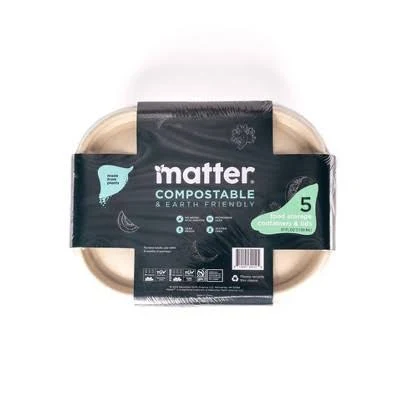
- Plant-based fiber pulp (compostable)
- A third party reports verifying it as PFAS-free
- Microbe/mold growth if stored damp
2 hazards checked on this product, all on its full breakdown.
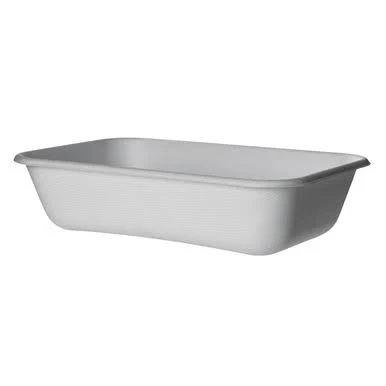
Eco-Products
Eco Products WorldView Compostable Take-Out Containers EP-SCRC32
- Plant-based fiber (compostable sugarcane bagasse)
- A third party reports verifying it as PFAS-free
- Bleaching agents and processing residues
3 hazards checked on this product, all on its full breakdown.
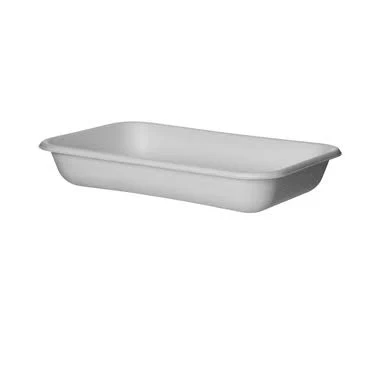
Eco-Products
WorldView Sugarcane Take-Out Containers
- Sugarcane bagasse (post-consumer fiber)
- A third party reports verifying it as PFAS-free
- Cellulose fiber degradation and food contact
2 hazards checked on this product, all on its full breakdown.
More food packaging grades
How we score, every product runs through the same public 0-100 rubric based on materials, coatings, brand disclosure, lab findings, and recalls. See the full methodology → Spotted a mistake? Report an error.