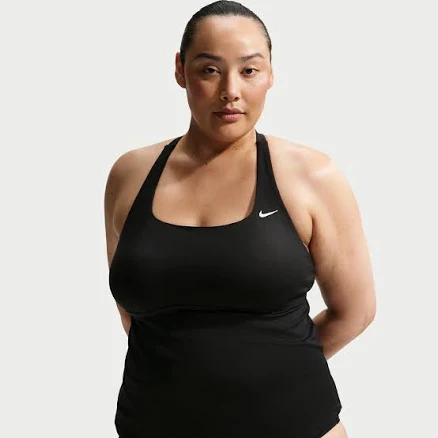
Nike Women's Effortless Essential Square Neck Tankini Top
Lower concern; standard swimwear with no known PFAS treatment.
This basic tankini top lacks specialized water-resistant or stain-resistant coating. Swimwear fabrics are not typically treated with PFAS water-repellent coating finishes.
The better-graded swap
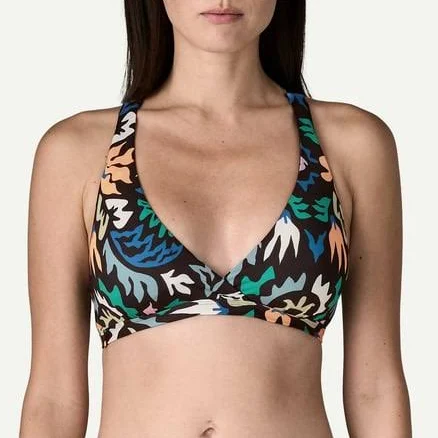
Patagonia
Patagonia Women's Bottom Turn Racerback Bikini Top
90/100 safety
Same rubric that flunked this product. The swap earned Excellent.
Still want this one anyway? Check the price on Amazon. We’d swap it.
Material
Nylon/polyester blend (tankini textile)
Lab data
No public lab test
You may also be interested in
Top-graded picks in the categories readers replace first, every one scored on the same rubric.

- polypropylene filter housing, carbon/sediment cartridge
- We found no PFAS statement from the brand
- Bacterial growth in spent cartridges
3 hazards checked on this product, all on its full breakdown.

Aquasure
Premier Series 75 GPD Under Sink Reverse Osmosis Water Filtration System
- RO membrane, carbon filters, stainless steel housing
- We found no PFAS statement from the brand
- Bacterial and microbial growth in housing and filters
4 hazards checked on this product, all on its full breakdown.

Avocado
Vegan Mattress
- organic cotton, natural latex, coconut coir, recycled steel coils
- The brand calls it PFAS-free, which we have not verified
- Heavy metals
2 hazards checked on this product, all on its full breakdown.
What Nike Women's Effortless Neck Tankini Top is made of, ingredients and materials
This tankini is a nylon/polyester blend, the industry standard for swimwear construction. Nylon provides stretch and durability; polyester adds color retention and quick-dry properties. Blended synthetics in swimwear typically undergo minimal chemical treatment compared to apparel (no flame retardants required, lower dye intensity than fashion fabrics). The square neckline design means no special coatings or reinforcements beyond standard seam-sealed construction.
What’s concerning
Category baseline
The starting point for this type of product, before anything specific to this product is counted.
No PFAS disclosure
No public statement from the brand about PFAS in this product.
Formaldehyde / VOCs
Synthetic blends may use trace formaldehyde in wrinkle-resistant or anti-shrink finishing. Tankini tops rarely require such treatments, making exposure unlikely. New item off-gassing is minimal; rinsing before first wear further reduces any residual exposure.
Source, ATSDR ↗Microplastic shedding during wear and wash
All polyester swimwear sheds microfibers into water; this product is not exempt. Frequency and volume depend on age, care (chlorine/salt exposure), and washing method. Environmental concern greater than direct consumer health risk, but cumulative over product lifetime.
Elastic degradation and fit loss
Spandex blend in the elasticated areas degrades with UV, chlorine, and heat exposure over time. This affects fit and comfort rather than direct toxicity, but worn elastic can irritate skin. Expected lifecycle 2-3 years with normal use.
What’s reassuring
Base material not linked to PFAS
The main material recorded for this product is not one associated with PFAS.
Azo dyes in synthetic textiles
Nylon and polyester swimwear typically use reactive dyes rather than problematic azo dyes. No safety complaints or restrictions on record for Nike's color palette in this product line. Standard regulation compliance expected.
Dye leaching into skin or water
Reactive dyes used in modern nylon/polyester are colorfast and pose minimal risk of direct skin transfer or water contamination at normal use. No adverse reactions documented for Nike swimwear in this category. Rinsing before wear is a precaution, not a necessity.
How is this PFAS grade calculated?
The brand's record and disclosure
Nike does not publicly disclose detailed chemical composition or third-party certifications for this specific tankini. The brand has faced scrutiny on PFAS in footwear but maintains silent stance on swimwear chemical treatment. No recalls or safety complaints are on record for this product line. Nike's general apparel manufacturing has not been linked to formaldehyde or azo-dye violations in recent years, though transparency remains limited.
How it compares in its category
This product sits at the mid-market tier of swimwear; competitors range from budget brands with minimal quality control to premium lines with third-party certifications (Oeko-Tex, bluesign). Nike's manufacturing standards are comparable to other major athletic brands but less transparent than specialty swimwear makers. Most women's tankinis in this price range use identical nylon/polyester blends without differentiated safety profiles.
If you buy it
Rinse immediately after saltwater or chlorine exposure to reduce dye degradation and fiber stress. Wash in cold water with mild detergent; avoid bleach and fabric softener, which can weaken synthetic fibers and increase microplastic shedding over time. Air-dry only; heat from dryers accelerates polyester breakdown. Replace after 2-3 years of regular use or if elastic loss or pilling becomes visible, as aged fabrics shed more microfibers in water.
What is not known about PFAS in this product?
- Basis
- Model estimate, 72% confidence, not a lab result
- Lab test
- None on record for this exact product
- Brand statement
- Nike has made a specific claim
Formulations change between production runs, so check the current label. How we grade.
What are the PFAS-free alternatives to Nike Women's Effortless Essential Square Neck Tankini Top?
- Nylon/polyester blend with elastane (standard swimwear)
- The brand calls it PFAS-free, which we have not verified
- Elastane (spandex) degradation under heat or chlorine
More swimwear grades
How we score, every product runs through the same public 0-100 rubric based on materials, coatings, brand disclosure, lab findings, and recalls. See the full methodology → Spotted a mistake? Report an error.