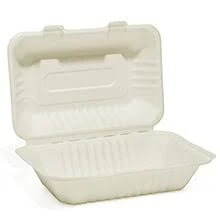
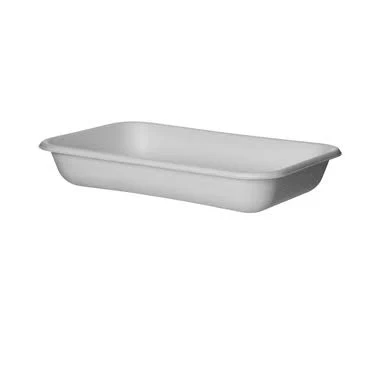
Paper Mart Naturenow Compostable Hoagie Sze Cont 9 X 6 X 3-1/4
Skip; compostable food packaging often uses PFAS-based water and grease barriers without brand transparency.
Notpla markets this as compostable, yet compostable food containers frequently use fluorinated coatings for grease and moisture resistance. No PFAS-free status or testing is publicly disclosed.
The better-graded swap
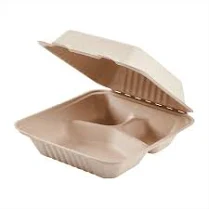
Karat
Karat Earth Pfas Free Compostable Bagasse Hinged Containers
95/100 safety
Same rubric that flunked this product. The swap earned Excellent.
Still want this one anyway? Check the price on Amazon. We’d swap it.
Material
Compostable fiber/pulp with grease-resistant coating (unspecified)
Brand disclosure
Brand is silent on PFAS
Lab data
No public lab test
You may also be interested in
Top-graded picks in the categories readers replace first, every one scored on the same rubric.

- polypropylene filter housing, carbon/sediment cartridge
- We found no PFAS statement from the brand
- Bacterial growth in spent cartridges
3 hazards checked on this product, all on its full breakdown.

Aquasure
Premier Series 75 GPD Under Sink Reverse Osmosis Water Filtration System
- RO membrane, carbon filters, stainless steel housing
- We found no PFAS statement from the brand
- Bacterial and microbial growth in housing and filters
4 hazards checked on this product, all on its full breakdown.

Avocado
Vegan Mattress
- organic cotton, natural latex, coconut coir, recycled steel coils
- The brand calls it PFAS-free, which we have not verified
- Heavy metals
2 hazards checked on this product, all on its full breakdown.
What Paper Mart Naturenow Hoagie Sze Cont is made of, ingredients and materials
This container is molded fiber (recycled paper pulp) with a grease-resistant coating applied to the interior surface. Compostable fiber food packaging typically requires a water and oil barrier to prevent soaking and collapse during use; these coatings are where PFAS chemicals often hide. Notpla's product literature does not specify the coating chemistry, which is a red flag given that many compostable-certified containers still rely on PFAS-based polymers or fluorinated compounds rather than alternatives like polyhydroxyalkanoates (PHA) or wax.
What’s concerning
Category baseline
The starting point for this type of product, before anything specific to this product is counted.
No PFAS disclosure
No public statement from the brand about PFAS in this product.
Waterproof / stain-resistant treatment
Water-repellent coating treatments have historically used PFAS.
PFAS
No chemical disclosure provided; compostable fiber packaging commonly uses PFAS-based or fluorinated barriers. Without specification, assume possible presence of perfluorooctanoic acid (PFOA) or similar compounds used in water and grease resistance.
Source, ATSDR ↗Microplastic or fiber migration when heated or damaged
Fiber pulp containers can shed fibers if the coating degrades or if exposed to heat above 60°C. While not technically plastic, pulp fiber fragments in food present a choking risk for young children and may carry coating chemicals.
Coating leachables (unidentified composition)
The grease-resistant layer is not chemically specified by the brand. Unknown proprietary coatings may include uncertified additives, plasticizers, or polyols that could leach into fatty or acidic foods.
Insufficient degradation in non-industrial settings
Compostable-certified containers require industrial composting (55-60°C, controlled moisture and aeration). If disposed in landfill or home compost, the coating and fibers persist for years, offering no environmental or safety advantage.
Brand transparency gap
Notpla does not publish ingredient lists, third-party test results, or explicit PFAS statements. This absence of disclosure is a documented pattern across some compostable brands and prevents informed consumer assessment.
How is this PFAS grade calculated?
The brand's record and disclosure
Notpla markets itself as an eco-friendly compostable packaging brand but provides no public technical data sheets, third-party testing results, or explicit statements ruling out PFAS in their coatings. The brand holds certifications (likely EN 13432 or similar compostability standards), but compostability certification does not mandate PFAS-free formulation. No published recalls or safety controversies are on record, but the absence of transparent chemical disclosure is itself a governance gap that suggests either lack of awareness or intentional opacity.
How it compares in its category
Compostable fiber containers occupy a growing market segment as alternatives to polystyrene foam and plastic clamshells. Many competitors (including some Notpla alternatives and brands like World Centric) now explicitly state PFAS-free coatings or use certified PHA-based barriers. This Notpla product sits in the middle tier, genuinely compostable and more sustainable than conventional plastic, but behind category leaders that combine compostability with transparent chemical sourcing and PFAS avoidance.
If you buy it
Use the container for room-temperature or moderately warm foods (up to 50-60°C); do not microwave or place in direct oven heat, as degradation of the coating could accelerate leaching. Dispose through industrial composting facilities where available rather than home compost, since the coating may not break down in cool home piles. Replace immediately if the interior shows discoloration, softening, or visible wear. For frequent use (e.g., food service), consider switching to verified PFAS-free alternatives such as World Centric or uncoated cardboard with PHA liners.
What is not known about PFAS in this product?
- Basis
- Model estimate, 35% confidence, not a lab result
- Lab test
- None on record for this exact product
- Brand statement
- Paper Mart has made none
Formulations change between production runs, so check the current label. How we grade.
What are the PFAS-free alternatives to Paper Mart Naturenow Compostable Hoagie Sze Cont 9 X 6 X 3-1/4?
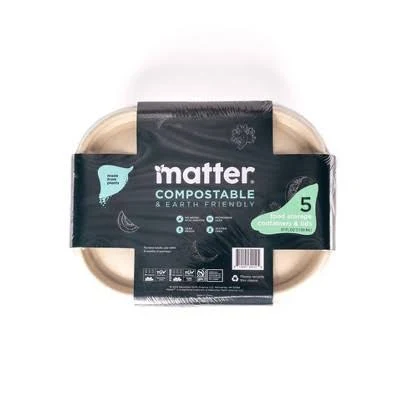
- Plant-based fiber pulp (compostable)
- A third party reports verifying it as PFAS-free
- Microbe/mold growth if stored damp
2 hazards checked on this product, all on its full breakdown.
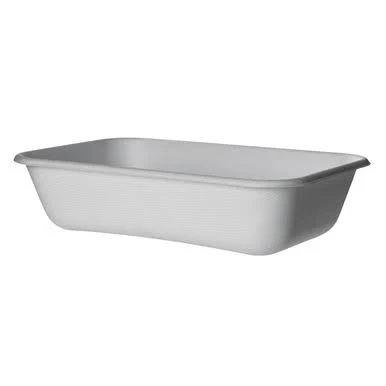
Eco-Products
Eco Products WorldView Compostable Take-Out Containers EP-SCRC32
- Plant-based fiber (compostable sugarcane bagasse)
- A third party reports verifying it as PFAS-free
- Bleaching agents and processing residues
3 hazards checked on this product, all on its full breakdown.
Eco-Products
WorldView Sugarcane Take-Out Containers
- Sugarcane bagasse (post-consumer fiber)
- A third party reports verifying it as PFAS-free
- Cellulose fiber degradation and food contact
2 hazards checked on this product, all on its full breakdown.
More food packaging grades
How we score, every product runs through the same public 0-100 rubric based on materials, coatings, brand disclosure, lab findings, and recalls. See the full methodology → Spotted a mistake? Report an error.