Pactiv Evergreen · Food Packaging
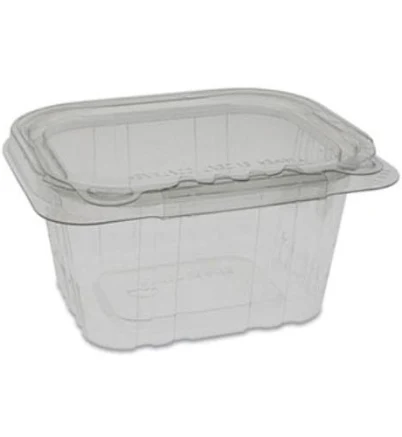
Pactiv EarthChoice Tamper Evident Recycled Hinged Lid Deli Container 16 oz
Avoid unless Pactiv publicly confirms PFAS-free materials.
Pactiv's recycled deli container has a grease-resistant coating with no public PFAS statement. Most grease-resistant food packaging uses PFAS to repel oils without brand confirmation.
The better-graded swap
Vegware
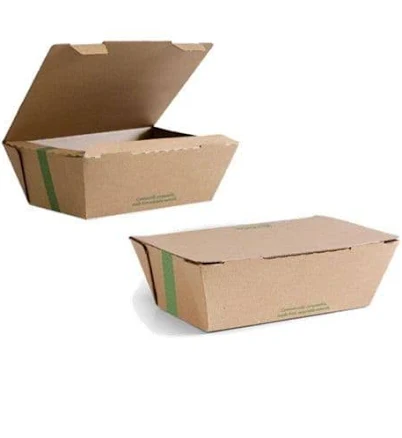
Vegware Compostable Microflute Takeaway Box
100/100 safety
Same rubric that flunked this product. The swap earned Excellent.
Still want this one anyway? Check the price on Amazon. We’d swap it.
Material
recycled plastic with undisclosed grease-resistant coating
Brand disclosure
Brand is silent on PFAS
Lab data
No public lab test
You may also be interested in
Top-graded picks in the categories readers replace first, every one scored on the same rubric.

- polypropylene filter housing, carbon/sediment cartridge
- We found no PFAS statement from the brand
- Bacterial growth in spent cartridges
3 hazards checked on this product, all on its full breakdown.

Aquasure
Premier Series 75 GPD Under Sink Reverse Osmosis Water Filtration System
- RO membrane, carbon filters, stainless steel housing
- We found no PFAS statement from the brand
- Bacterial and microbial growth in housing and filters
4 hazards checked on this product, all on its full breakdown.

Avocado
Vegan Mattress
- organic cotton, natural latex, coconut coir, recycled steel coils
- The brand calls it PFAS-free, which we have not verified
- Heavy metals
2 hazards checked on this product, all on its full breakdown.
What Pactiv EarthChoice Tamper Deli Container is made of, ingredients and materials
This container is made from recycled plastic (likely polypropylene or polyethylene terephthalate blend based on typical deli-container specs) with an undisclosed grease-resistant surface coating applied to prevent leakage. The manufacturer has not publicly specified whether this coating contains PFAS compounds, which are commonly used in food-contact grease barriers to repel oils and water. Recycled plastic can concentrate contaminants from prior uses, though regulatory limits apply at sale. The lack of transparency on coating chemistry is the primary safety concern here.
What’s concerning
Category baseline
The starting point for this type of product, before anything specific to this product is counted.
No PFAS disclosure
No public statement from the brand about PFAS in this product.
Waterproof / stain-resistant treatment
Water-repellent coating treatments have historically used PFAS.
PFAS
Undisclosed coating formulation on recycled plastic almost certainly contains fluorinated compounds for grease repellency; manufacturer silence on this is significant given industry prevalence of PFAS in food-contact barriers.
Source, ATSDR ↗Microplastics
Recycled plastic and applied coatings can degrade over time or under friction, potentially releasing particles into food. Risk is higher for fatty foods that soften coatings, or if the container is scratched or reused extensively.
Source, EPA ↗Leaching of coating additives with heat or fatty foods
Even if PFAS-free, grease-resistant coatings contain surfactants and polymeric additives that migrate into oils and lipids more readily than into water or dry foods. Microwave use or storage of bacon grease, fatty cheese, or oil-based dressings increases this risk.
Undisclosed chemical composition
Pactiv has not voluntarily disclosed the specific coating chemistry, which is a documented transparency gap across the industry for recycled food-contact plastics. This limits consumer ability to assess true safety.
What’s reassuring
BPA & bisphenols
No specific contamination recalls or test data are on record for this product line. Recycled plastic can contain residues from prior polycarbonate or epoxy coatings, but regulatory limits and sorting practices generally control this risk below concern thresholds.
Source, FDA ↗How is this PFAS grade calculated?
The brand's record and disclosure
Pactiv Evergreen has maintained public silence on PFAS content in its food-contact products despite industry-wide pressure to disclose or eliminate these compounds. The company has not published third-party testing, PFAS-free certifications, or phaseout timelines comparable to competitors like Footprint or some private-label providers. No major product recalls or safety violations specific to this container line are on public record, but the absence of proactive disclosure is a red flag for environmentally or health-conscious consumers. Industry tracking suggests many recycled-content food containers still use PFAS-based coatings unless explicitly certified otherwise.
How it compares in its category
Deli containers in this price tier typically use either virgin or recycled plastic with grease barriers; this product's recycled content is a cost and environmental advantage, but places it in the middle of the safety spectrum. Competitors offering PFAS-free or plant-based coatings (e.g., Vegware, World Centric) command a premium and provide explicit third-party verification. Conventional virgin-plastic deli containers from major suppliers often carry the same PFAS uncertainty, so this product is not uniquely risky within its market segment, but neither does it lead on transparency.
If you buy it
Use this container for cold or room-temperature foods only; do not microwave or place in hot water, as heat can accelerate migration of coating compounds into fatty or acidic foods. Store fatty deli meats, cheeses, or oily prepared foods for no longer than a few days to limit contact time with the coating. Replace the container if the interior surface becomes visibly scratched, sticky, or cloudy, as coating degradation increases leaching risk. For frequent or long-term food storage, consider switching to glass or certified PFAS-free alternatives.
What is not known about PFAS in this product?
- Basis
- Model estimate, 45% confidence, not a lab result
- Lab test
- None on record for this exact product
- Brand statement
- Pactiv Evergreen has made none
Formulations change between production runs, so check the current label. How we grade.
What are the PFAS-free alternatives to Pactiv EarthChoice Tamper Evident Recycled Hinged Lid Deli Container 16 oz?
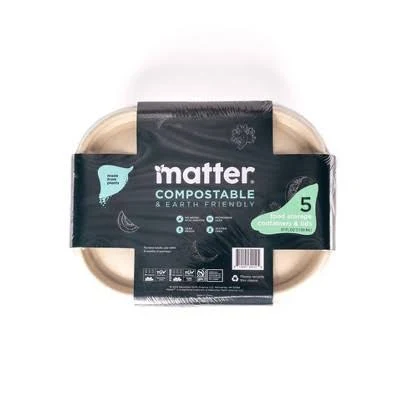
- Plant-based fiber pulp (compostable)
- A third party reports verifying it as PFAS-free
- Microbe/mold growth if stored damp
2 hazards checked on this product, all on its full breakdown.
Eco-Products
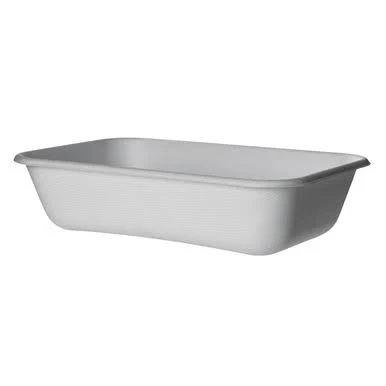
Eco Products WorldView Compostable Take-Out Containers EP-SCRC32
- Plant-based fiber (compostable sugarcane bagasse)
- A third party reports verifying it as PFAS-free
- Bleaching agents and processing residues
3 hazards checked on this product, all on its full breakdown.
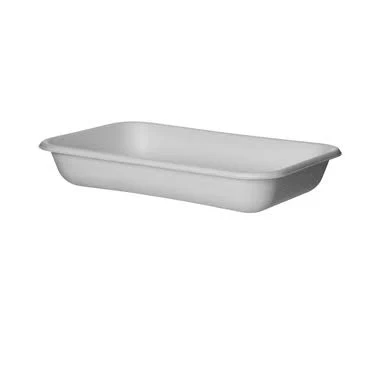
Eco-Products
WorldView Sugarcane Take-Out Containers
- Sugarcane bagasse (post-consumer fiber)
- A third party reports verifying it as PFAS-free
- Cellulose fiber degradation and food contact
2 hazards checked on this product, all on its full breakdown.
More food packaging grades
How we score, every product runs through the same public 0-100 rubric based on materials, coatings, brand disclosure, lab findings, and recalls. See the full methodology → Spotted a mistake? Report an error.