Pactiv Evergreen · Food Packaging
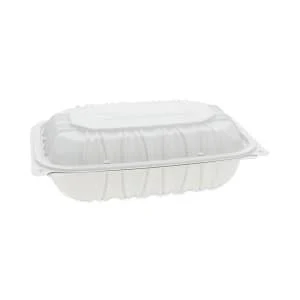
Pactiv EarthChoice Vented Microwavable MFPP Hinged Lid Container
Better than heavily treated packaging, but brand transparency is missing.
MFPP plastic itself doesn't contain inherent Teflon-family coating nonstick coatings. Pactiv says nothing about added grease treatments or PFAS use on this line.
The better-graded swap
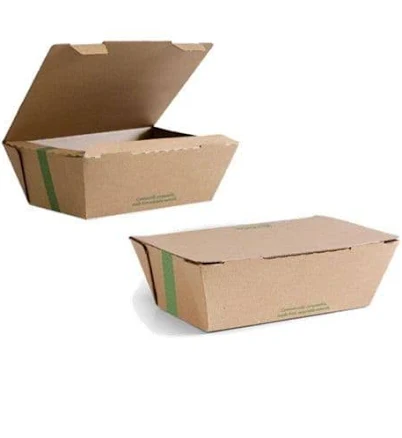
Vegware
Vegware Compostable Microflute Takeaway Box
100/100 safety
Same rubric that flunked this product. The swap earned Excellent.
Still want this one anyway? Check the price on Amazon. We’d swap it.
Material
MFPP (multi-layer polypropylene) hinged clamshell with venting
Brand disclosure
Brand is silent on PFAS
Lab data
No public lab test
You may also be interested in
Top-graded picks in the categories readers replace first, every one scored on the same rubric.

- polypropylene filter housing, carbon/sediment cartridge
- We found no PFAS statement from the brand
- Bacterial growth in spent cartridges
3 hazards checked on this product, all on its full breakdown.

Aquasure
Premier Series 75 GPD Under Sink Reverse Osmosis Water Filtration System
- RO membrane, carbon filters, stainless steel housing
- We found no PFAS statement from the brand
- Bacterial and microbial growth in housing and filters
4 hazards checked on this product, all on its full breakdown.

Avocado
Vegan Mattress
- organic cotton, natural latex, coconut coir, recycled steel coils
- The brand calls it PFAS-free, which we have not verified
- Heavy metals
2 hazards checked on this product, all on its full breakdown.
What Pactiv EarthChoice Vented Lid Container is made of, ingredients and materials
This container is MFPP (multi-layer polypropylene), a semi-rigid plastic engineered to withstand microwave heating better than standard polystyrene (PS). Polypropylene has a melting point around 320°F (160°C), making it inherently more heat-stable than PS. The hinged lid and venting holes are designed to allow steam escape during microwave reheating, reducing pressure buildup. However, MFPP is still petroleum-derived plastic, and the venting design depends on correct use to prevent moisture accumulation inside the container.
What’s concerning
Category baseline
The starting point for this type of product, before anything specific to this product is counted.
No PFAS disclosure
No public statement from the brand about PFAS in this product.
Waterproof / stain-resistant treatment
Water-repellent coating treatments have historically used PFAS.
Phthalates
Polypropylene may contain phthalate plasticizers (DEHP, DBP) to improve flexibility in hinged joints and thin walls. Pactiv does not disclose plasticizer identity; migration is low under normal microwave use but rises with fatty or heated foods.
Source, ATSDR ↗Microplastics
Repeated microwave heating and mechanical stress (opening/closing hinge) can cause MFPP to fragment over time. Fragments smaller than 5mm can enter food; cumulative exposure risk remains understudied in short-term consumer use.
Source, EPA ↗Thermal degradation and volatile organic compounds (VOCs)
Overheating MFPP above 160°C or repeated microwaving without venting can cause thermal breakdown, releasing low levels of volatile compounds. Sealed microwave reheating or food above 70°C may increase this risk slightly.
Chemical migration into food
Fatty, acidic, or hot foods (e.g., cheese, tomato sauce, coffee) increase plasticizer and oligomer leaching from MFPP into food. Risk is moderate under normal refrigerated storage but cumulative with repeated use and heat.
What’s reassuring
BPA & bisphenols
MFPP does not require bisphenol hardeners; no evidence of BPA use in polypropylene-based foodware. Pactiv has not disclosed BPS use, but standard MFPP chemistry does not mandate it.
Source, FDA ↗How is this PFAS grade calculated?
The brand's record and disclosure
Pactiv Evergreen is a major foodservice packaging manufacturer but has not publicly disclosed details about PFAS use in EarthChoice products or committed to phase-out timelines. The brand markets EarthChoice as an environmentally positioned line but does not provide independent certifications (e.g., UL GREENGUARD, NSF) for chemical safety. No recalls specific to this container model have been documented for chemical leaching or failure under normal microwave use.
How it compares in its category
MFPP hinged containers are mid-range in microwave food packaging safety. They perform better than recycled polystyrene and clear PS clamshells, which risk warping and styrene leaching. However, they lag behind glass, ceramic, or certified non-PFAS laminated paperboard containers. Many competitors (e.g., Huhtamaki, Eco-Products) now offer PFAS-free transparency claims; Pactiv's silence is a relative weakness.
If you buy it
Use only for reheating, not prolonged hot storage. Do not microwave filled containers with the lid sealed; always open vents or partially vent to prevent steam pressure damage. Inspect for cracks, discoloration, or warping before each use; discard if found. Avoid contact with fatty, acidic, or very hot foods (above 160°F); MFPP is stable but not rated for sustained high-heat food contact. Replace containers every 12-18 months of regular use.
What is not known about PFAS in this product?
- Basis
- Model estimate, 45% confidence, not a lab result
- Lab test
- None on record for this exact product
- Brand statement
- Pactiv Evergreen has made none
Formulations change between production runs, so check the current label. How we grade.
What are the PFAS-free alternatives to Pactiv EarthChoice Vented Microwavable MFPP Hinged Lid Container?
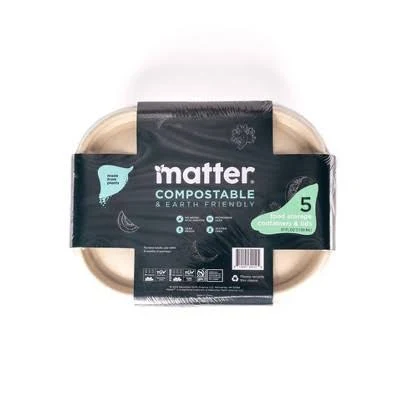
- Plant-based fiber pulp (compostable)
- A third party reports verifying it as PFAS-free
- Microbe/mold growth if stored damp
2 hazards checked on this product, all on its full breakdown.
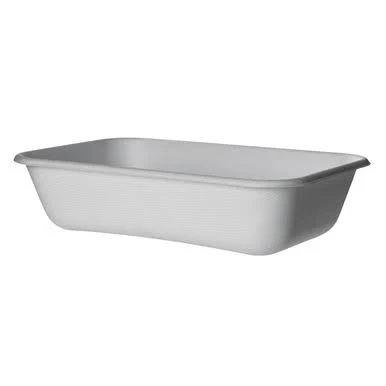
Eco-Products
Eco Products WorldView Compostable Take-Out Containers EP-SCRC32
- Plant-based fiber (compostable sugarcane bagasse)
- A third party reports verifying it as PFAS-free
- Bleaching agents and processing residues
3 hazards checked on this product, all on its full breakdown.
Eco-Products
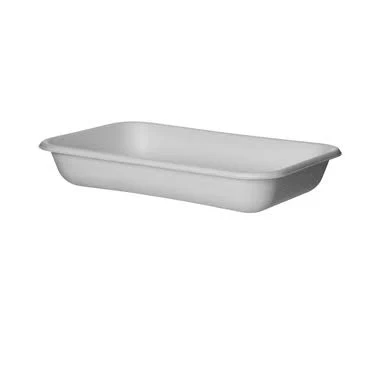
WorldView Sugarcane Take-Out Containers
- Sugarcane bagasse (post-consumer fiber)
- A third party reports verifying it as PFAS-free
- Cellulose fiber degradation and food contact
2 hazards checked on this product, all on its full breakdown.
More food packaging grades
How we score, every product runs through the same public 0-100 rubric based on materials, coatings, brand disclosure, lab findings, and recalls. See the full methodology → Spotted a mistake? Report an error.