Pactiv Evergreen · Food Packaging
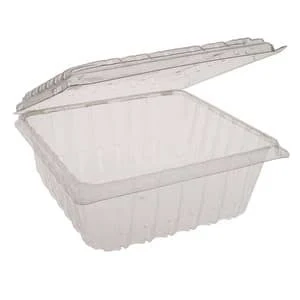
Pactiv Evergreen Blueberry Modular Clamshell
Avoid unless Pactiv discloses coating details. Grease-resistant food packaging commonly uses PFAS.
Pactiv Evergreen blueberry clamshells are polypropylene with grease-resistant treatment and no public PFAS disclosure. Grease-resistant food-contact coatings frequently contain PFAS compounds.
The better-graded swap
Eco-Products
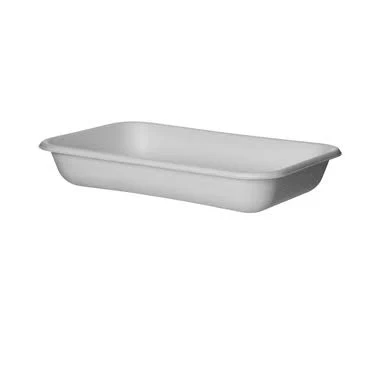
Eco-Products WorldView Sugarcane Take-Out Containers
100/100 safety
Same rubric that flunked this product. The swap earned Excellent.
Still want this one anyway? Check the price on Amazon. We’d swap it.
Material
Polypropylene clamshell with grease-resistant coating
Brand disclosure
Brand is silent on PFAS
Lab data
No public lab test
You may also be interested in
Top-graded picks in the categories readers replace first, every one scored on the same rubric.

- polypropylene filter housing, carbon/sediment cartridge
- We found no PFAS statement from the brand
- Bacterial growth in spent cartridges
3 hazards checked on this product, all on its full breakdown.

Aquasure
Premier Series 75 GPD Under Sink Reverse Osmosis Water Filtration System
- RO membrane, carbon filters, stainless steel housing
- We found no PFAS statement from the brand
- Bacterial and microbial growth in housing and filters
4 hazards checked on this product, all on its full breakdown.

Avocado
Vegan Mattress
- organic cotton, natural latex, coconut coir, recycled steel coils
- The brand calls it PFAS-free, which we have not verified
- Heavy metals
2 hazards checked on this product, all on its full breakdown.
What Pactiv Evergreen Blueberry Clamshell is made of, ingredients and materials
This clamshell is polypropylene (PP, #5 plastic), a relatively stable polymer that resists most chemical migration at ambient temperatures. The grease-resistant coating applied to the surface is the material of concern. Pactiv Evergreen has not publicly disclosed whether this coating contains PFAS, which are commonly used in food-contact coatings to repel oils and water. Polypropylene itself is not a material linked to BPA, phthalates, or other legacy plasticizers, showing lower concern than older polycarbonate or PVC alternatives.
What’s concerning
Category baseline
The starting point for this type of product, before anything specific to this product is counted.
No PFAS disclosure
No public statement from the brand about PFAS in this product.
Waterproof / stain-resistant treatment
Water-repellent coating treatments have historically used PFAS.
PFAS
Fluorinated grease-resistant coatings are standard in food-service clamshells. Pactiv Evergreen has not disclosed whether this product's coating is PFAS-free. Migration risk is low at room temperature but increases with heat, scratching, or acid exposure.
Source, ATSDR ↗Microplastics
As the grease-resistant coating wears or flakes with repeated use and washing, microscopic particles may shed into food. Risk is low if the container is replaced before visible wear, but no independent testing of this specific product is on public record.
Source, EPA ↗Thermal migration at elevated temperatures
While PP resists melting below 160°C (320°F), the coating may not. Microwaving or hot-filling this container could accelerate migration of coating chemicals into food, particularly oils and fatty foods.
What’s reassuring
BPA & bisphenols
Polypropylene does not inherently contain BPA or phthalates. Risk is negligible unless the coating additive package includes plasticizers, which Pactiv has not disclosed.
Source, FDA ↗Acetaldehyde or volatile organic compounds from coating
No public record of off-gassing complaints or testing results specific to this clamshell. Risk is generally low for rigid molded plastic vs. flexibles, but coating chemistry is proprietary and undisclosed.
How is this PFAS grade calculated?
The brand's record and disclosure
Pactiv Evergreen is a leading food-service packaging manufacturer owned by Pactiv Evergreen Inc. (formerly part of Waddington). The company has maintained silence on PFAS use in grease-resistant coatings across its portfolio, despite increasing regulatory scrutiny and competitor transparency initiatives. No major recalls specific to this clamshell for chemical contamination are on public record. However, the lack of third-party certification (such as FDA migration testing results or PFAS-free claims) limits independent verification of coating safety.
How it compares in its category
Polypropylene clamshells show lower concern among rigid plastic food-contact containers when used for cold storage because PP has high heat resistance, though PFAS risk remains if the coating is fluorinated. Paper-based clamshells (e.g., molded fiber) eliminate synthetic coating concerns entirely but sacrifice grease resistance and durability. Other plastic clamshells (PET/PETE #1, PVC #3) carry higher baseline leaching risks independent of coatings. Pactiv's silence on coating composition puts this product in a middle-ground trust position.
If you buy it
Use this clamshell only for room-temperature and refrigerated storage; do not microwave or place in hot water, as heat can accelerate any coating migration. Replace after 6-12 months of regular use or if the interior surface becomes scratched, faded, or cloudy, signs that the coating is degrading. Do not store acidic foods (berries, citrus, vinegar-based dressings) for extended periods, as acidity may weaken coating adhesion. Rinse before first use and hand-wash gently rather than agitating in a dishwasher to minimize coating wear.
What is not known about PFAS in this product?
- Basis
- Model estimate, 35% confidence, not a lab result
- Lab test
- None on record for this exact product
- Brand statement
- Pactiv Evergreen has made none
Formulations change between production runs, so check the current label. How we grade.
What are the PFAS-free alternatives to Pactiv Evergreen Blueberry Modular Clamshell?
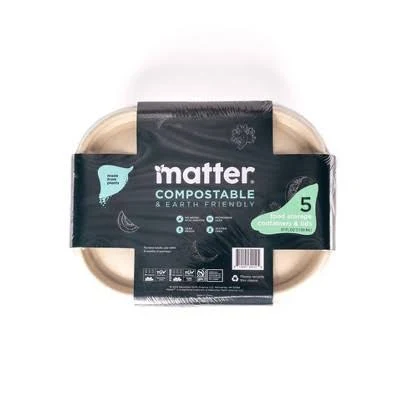
- Plant-based fiber pulp (compostable)
- A third party reports verifying it as PFAS-free
- Microbe/mold growth if stored damp
2 hazards checked on this product, all on its full breakdown.
Eco-Products
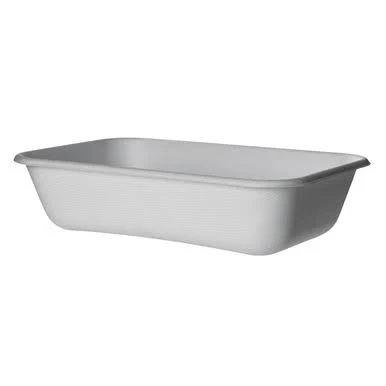
Eco Products WorldView Compostable Take-Out Containers EP-SCRC32
- Plant-based fiber (compostable sugarcane bagasse)
- A third party reports verifying it as PFAS-free
- Bleaching agents and processing residues
3 hazards checked on this product, all on its full breakdown.
Eco-Products
WorldView Sugarcane Take-Out Containers
- Sugarcane bagasse (post-consumer fiber)
- A third party reports verifying it as PFAS-free
- Cellulose fiber degradation and food contact
2 hazards checked on this product, all on its full breakdown.
More food packaging grades
How we score, every product runs through the same public 0-100 rubric based on materials, coatings, brand disclosure, lab findings, and recalls. See the full methodology → Spotted a mistake? Report an error.