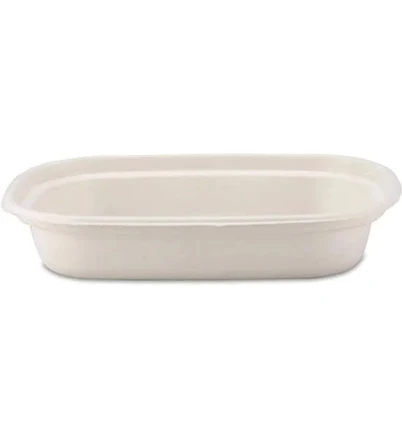
32 oz Takeout Box Compostable (Case of 200)
Skip; no PFAS transparency despite compostable marketing claims.
This compostable box lacks any PFAS disclosure or coating specifications. Compostable containers often need water-resistant treatments of unknown composition.
The better-graded swap
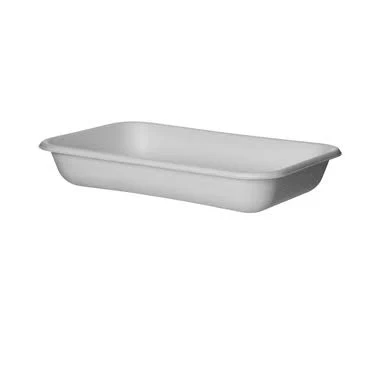
Eco-Products
Eco-Products WorldView Sugarcane Take-Out Containers
100/100 safety
Same rubric that flunked this product. The swap earned Excellent.
Still want this one anyway? Check the price on Amazon. We’d swap it.
Material
Compostable fiber/plant-based coating (unspecified)
Brand disclosure
Brand is silent on PFAS
Lab data
No public lab test
You may also be interested in
Top-graded picks in the categories readers replace first, every one scored on the same rubric.

- polypropylene filter housing, carbon/sediment cartridge
- We found no PFAS statement from the brand
- Bacterial growth in spent cartridges
3 hazards checked on this product, all on its full breakdown.

Aquasure
Premier Series 75 GPD Under Sink Reverse Osmosis Water Filtration System
- RO membrane, carbon filters, stainless steel housing
- We found no PFAS statement from the brand
- Bacterial and microbial growth in housing and filters
4 hazards checked on this product, all on its full breakdown.

Avocado
Vegan Mattress
- organic cotton, natural latex, coconut coir, recycled steel coils
- The brand calls it PFAS-free, which we have not verified
- Heavy metals
2 hazards checked on this product, all on its full breakdown.
What 32 oz Takeout Box Compostable (Case 200) is made of, ingredients and materials
Panera's takeout boxes are fiber-based (likely kraft pulp or molded fiber) with an unspecified plant-based coating for grease and moisture resistance. Fiber-based food packaging eliminates BPA, BPS, and phthalate leaching risks inherent in plastic containers. However, the coating formulation is not disclosed; plant-based coatings sometimes use synthetic binders or additives that can migrate into food, particularly when heated or in contact with fatty/acidic foods. The compostable claim is a disposal benefit, not a safety guarantee during use.
What’s concerning
Category baseline
The starting point for this type of product, before anything specific to this product is counted.
Vague safety claims only
Uses vague language ("eco-friendly", "clean") without a specific PFAS statement.
Waterproof / stain-resistant treatment
Water-repellent coating treatments have historically used PFAS.
Coating migration (unidentified plant-based polymer)
The specific plant-based coating formula is not disclosed by Panera or the manufacturer. Plant-based coatings can include synthetic resins, plasticizers, or crosslinkers that may leach into fatty or acidic foods, especially when heated. Risk increases with use duration and food temperature.
Formaldehyde / VOCs
Molded fiber and kraft pulp processing sometimes involves formaldehyde-based resins for strength or water resistance, though formaldehyde levels in food-contact fiber are typically minimal. No test results for this product are publicly available; compostability certification does not guarantee formaldehyde absence.
Source, ATSDR ↗Bacterial or mold growth if stored damp
Fiber-based boxes absorb and retain moisture more readily than plastic. If the case is stored in humid conditions or boxes become damp before use, microbial contamination (mold, bacteria) can occur on the interior or exterior, which could transfer to food.
PFAS
This is covered separately in the PFAS grade (30/100). Many compostable fiber boxes use PFAS-based or PFAS-alternative chemistries for grease and water resistance; Panera's silence on this is consistent with industry practice but contradicts transparent sustainability marketing. The poor PFAS grade reflects this unresolved disclosure gap.
Source, ATSDR ↗What’s reassuring
BPA & bisphenols
Fiber-based compostable boxes typically do not use BPA/BPS, but Panera's lack of explicit certification leaves a small uncertainty. Standard polycarbonate and epoxy-lined metal cans pose this risk; fiber typically does not. No evidence of BPA/BPS in this specific product has been reported.
Source, FDA ↗How is this PFAS grade calculated?
The brand's record and disclosure
Panera has not publicly disclosed the specific composition of its takeout box coating or third-party testing for food-contact safety beyond compostability certifications. The brand markets sustainability heavily but remains silent on PFAS presence in food-contact coatings, a known gap in many 'eco-friendly' fiber packaging products. No major recalls or safety warnings for this specific product are on record. Transparency on coating chemistry would strengthen confidence in this product's safety profile.
How it compares in its category
Fiber-based compostable takeout boxes show lower concern than plastic clamshells for endocrine disruptors (BPA/BPS) and phthalates. However, they sit in a middle tier for PFAS risk, many manufacturers use PFAS-based coatings (Teflon-type coating or PFOA alternatives) for water and grease resistance, and Panera's silence on this is a red flag compared to brands that explicitly certify PFAS-free. Uncoated cardboard or paper would eliminate coating hazards entirely but sacrifice moisture barrier performance.
If you buy it
Use these boxes for cold or room-temperature foods and short-term storage only; avoid microwaving or prolonged contact with hot liquids, which can mobilize coating components into food. Store in a cool, dry place to prevent mold or bacterial growth inside the case before use. Replace any boxes that show visible deterioration, grease saturation that compromises the seal, or odor. Do not use for reheating leftovers; transfer to glass or ceramic if warming is needed.
What is not known about PFAS in this product?
- Basis
- Model estimate, 35% confidence, not a lab result
- Lab test
- None on record for this exact product
- Brand statement
- has made none
Formulations change between production runs, so check the current label. How we grade.
What are the PFAS-free alternatives to 32 oz Takeout Box Compostable (Case of 200)?
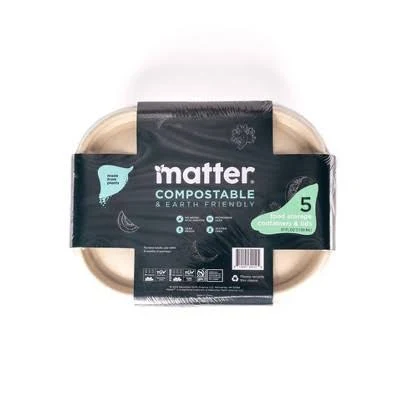
- Plant-based fiber pulp (compostable)
- A third party reports verifying it as PFAS-free
- Microbe/mold growth if stored damp
2 hazards checked on this product, all on its full breakdown.
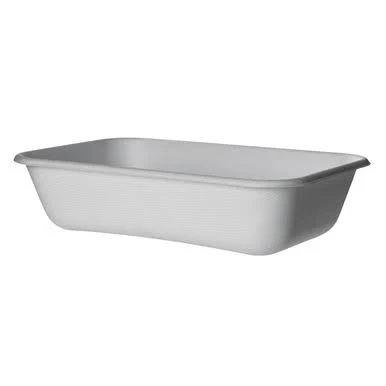
Eco-Products
Eco Products WorldView Compostable Take-Out Containers EP-SCRC32
- Plant-based fiber (compostable sugarcane bagasse)
- A third party reports verifying it as PFAS-free
- Bleaching agents and processing residues
3 hazards checked on this product, all on its full breakdown.
Eco-Products
WorldView Sugarcane Take-Out Containers
- Sugarcane bagasse (post-consumer fiber)
- A third party reports verifying it as PFAS-free
- Cellulose fiber degradation and food contact
2 hazards checked on this product, all on its full breakdown.
More food packaging grades
How we score, every product runs through the same public 0-100 rubric based on materials, coatings, brand disclosure, lab findings, and recalls. See the full methodology → Spotted a mistake? Report an error.