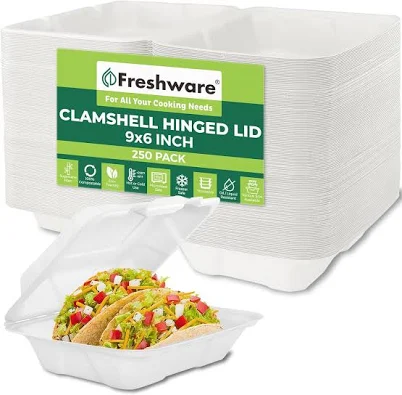
Freshware Compostable Clamshell Food Containers
Skip, grease-resistant coatings on compostables frequently contain PFAS.
Compostable clamshells often hide PFAS in grease-resistant coatings. The brand shares no testing results or chemical details.
The better-graded swap
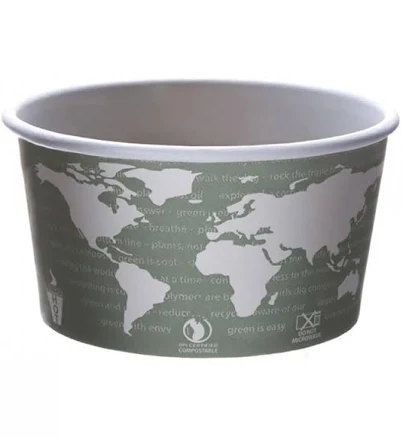
Eco-Products
Eco-Products 12 oz. World Art Compostable Food Containers 25-ct. pack
100/100 safety
Same rubric that flunked this product. The swap earned Excellent.
Still want this one anyway? Check the price on Amazon. We’d swap it.
Material
Compostable plant-based clamshell, grease-resistant coating unspecified
Brand disclosure
Brand is silent on PFAS
Lab data
No public lab test
You may also be interested in
Top-graded picks in the categories readers replace first, every one scored on the same rubric.

- polypropylene filter housing, carbon/sediment cartridge
- We found no PFAS statement from the brand
- Bacterial growth in spent cartridges
3 hazards checked on this product, all on its full breakdown.

Aquasure
Premier Series 75 GPD Under Sink Reverse Osmosis Water Filtration System
- RO membrane, carbon filters, stainless steel housing
- We found no PFAS statement from the brand
- Bacterial and microbial growth in housing and filters
4 hazards checked on this product, all on its full breakdown.

Avocado
Vegan Mattress
- organic cotton, natural latex, coconut coir, recycled steel coils
- The brand calls it PFAS-free, which we have not verified
- Heavy metals
2 hazards checked on this product, all on its full breakdown.
What Freshware Compostable Food Containers is made of, ingredients and materials
Freshware clamshells are marketed as plant-based compostable material, likely polylactic acid (PLA) or blended biopolymer. The critical issue is the grease-resistant coating, compostable foodware manufacturers routinely apply fluorochemical coatings (PFAS compounds) to prevent grease penetration, since uncoated plant polymers are hydrophobic but grease-permeable. Panera's product specifications do not disclose the coating chemistry, which is a red flag. Even 'compostable' certification (such as ASTM D6868 or EN 13432) does not require disclosure of PFAS in coatings.
What’s concerning
Category baseline
The starting point for this type of product, before anything specific to this product is counted.
No PFAS disclosure
No public statement from the brand about PFAS in this product.
Waterproof / stain-resistant treatment
Water-repellent coating treatments have historically used PFAS.
PFAS
Compostable foodware manufacturers routinely use fluorochemical coatings for grease resistance; Panera does not disclose the specific chemistry. PFAS compounds are known to leach into food, especially fatty or acidic items, and accumulate in the body. The coating's presence is virtually certain; its safety profile is unknown.
Source, ATSDR ↗Microplastic shedding from polymer degradation
PLA and compostable biopolymers can fragment into microparticles during use, especially if the container is flexed, scratched, or exposed to heat or UV light. While not classified as acute food contamination, ingested microplastics of any polymer type are under investigation for systemic health effects. Risk is low for single-use, short-contact scenarios but increases with reuse or mishandling.
Migration of coating additives into food
Grease-resistant coatings on compostable foodware may contain other functional chemicals (slip agents, colorants, antistats) that can migrate into fatty or acidic foods under heat or extended contact. Published testing of compostable takeout containers has occasionally detected non-PFAS coating components in food simulants, though at levels below some regulatory limits.
Lack of thermal stability for hot foods
PLA clamshells soften above 60, 65°C and may warp or degrade faster at typical hot-food serving temperatures (70, 80°C). While this causes physical rather than chemical hazard, warping can compromise the seal and allow leakage or increased surface contact with coating. Panera's specifications do not state maximum recommended temperature for filled containers.
Incomplete disclosure of compostability and recycling end-of-life
Panera markets these containers as compostable but does not specify whether they require industrial composting or suit home systems, nor does it address what happens if sent to landfill or recycling. Coatings can inhibit industrial compost processing if they are not themselves compostable or approved for that facility. End-of-life ambiguity creates risk that containers end up in unintended waste s
How is this PFAS grade calculated?
The brand's record and disclosure
Panera Bread has not published independent safety testing or a PFAS reduction commitment for its compostable foodware line. The company's sustainability marketing emphasizes compostability and environmental benefit, but does not address chemical safety of coatings or provide supplier chain transparency. No third-party testing of these containers for PFAS contamination has been published. Panera's silence on this issue is inconsistent with competitor disclosures (e.g.some chains now source compostables with no hazard of this kind on record) and reflects low institutional priority on chemical safety.
How it compares in its category
Compostable clamshells sit between single-use plastic (higher microplastic and BPA/phthalate risk) and uncoated cardboard (lowest chemical risk but poor grease barrier). Panera's unspecified coating makes direct comparison difficult, but industry data shows most compostable takeout containers sold in North America contain PFAS in their grease barriers. Glass or stainless steel rigid takeout containers, while more expensive and heavier, eliminate coating hazard entirely. Uncoated cardboard sleeves (for pizza, bakery) have lower concern for grease-related chemical migration if grease exposure is minimal.
If you buy it
Do not rely on these containers for storage beyond the immediate meal; transfer leftovers to glass or ceramic. Avoid heating food inside the clamshell (microwave or oven), as elevated temperature can increase PFAS migration from the coating into fatty foods. Do not reuse the container; these are single-use only and degradation accelerates with washing or repeated heating. If you compost at home, verify that your compost facility accepts plant-based clamshells; many municipal systems do not, and improper disposal negates the environmental claim.
What is not known about PFAS in this product?
- Basis
- Model estimate, 35% confidence, not a lab result
- Lab test
- None on record for this exact product
- Brand statement
- Freshware has made none
Formulations change between production runs, so check the current label. How we grade.
What are the PFAS-free alternatives to Freshware Compostable Clamshell Food Containers?
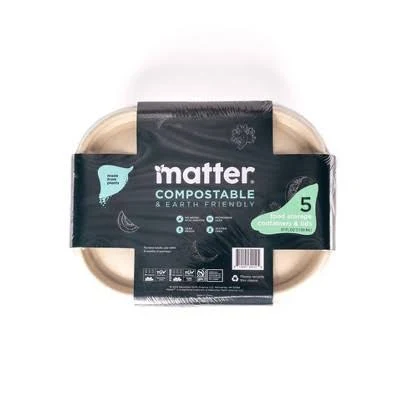
- Plant-based fiber pulp (compostable)
- A third party reports verifying it as PFAS-free
- Microbe/mold growth if stored damp
2 hazards checked on this product, all on its full breakdown.
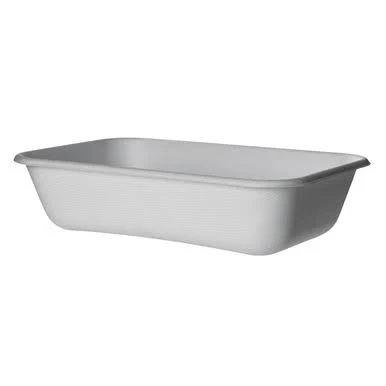
Eco-Products
Eco Products WorldView Compostable Take-Out Containers EP-SCRC32
- Plant-based fiber (compostable sugarcane bagasse)
- A third party reports verifying it as PFAS-free
- Bleaching agents and processing residues
3 hazards checked on this product, all on its full breakdown.
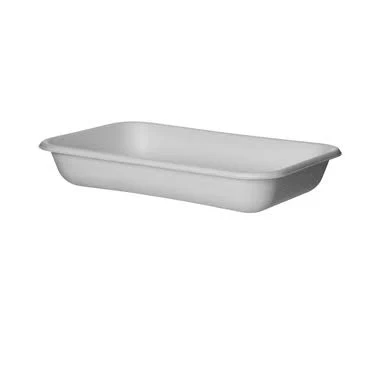
Eco-Products
WorldView Sugarcane Take-Out Containers
- Sugarcane bagasse (post-consumer fiber)
- A third party reports verifying it as PFAS-free
- Cellulose fiber degradation and food contact
2 hazards checked on this product, all on its full breakdown.
More food packaging grades
How we score, every product runs through the same public 0-100 rubric based on materials, coatings, brand disclosure, lab findings, and recalls. See the full methodology → Spotted a mistake? Report an error.