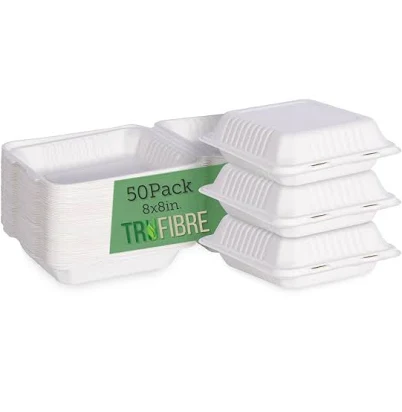
TruFibre Clamshell Takeout Containers
Grease-resistant food containers likely contain PFAS; no brand transparency.
These clamshells use grease-resistant coatings common in food-service packaging where PFAS is standard. The brand makes no public PFAS statements.
The better-graded swap
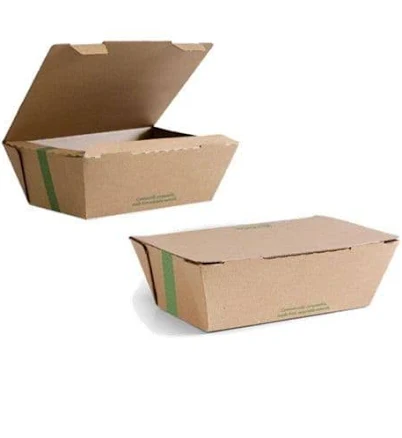
Vegware
Vegware Compostable Microflute Takeaway Box
100/100 safety
Same rubric that flunked this product. The swap earned Excellent.
Still want this one anyway? Check the price on Amazon. We’d swap it.
Material
paperboard clamshell with grease-resistant coating
Brand disclosure
Brand is silent on PFAS
Lab data
No public lab test
You may also be interested in
Top-graded picks in the categories readers replace first, every one scored on the same rubric.

- polypropylene filter housing, carbon/sediment cartridge
- We found no PFAS statement from the brand
- Bacterial growth in spent cartridges
3 hazards checked on this product, all on its full breakdown.

Aquasure
Premier Series 75 GPD Under Sink Reverse Osmosis Water Filtration System
- RO membrane, carbon filters, stainless steel housing
- We found no PFAS statement from the brand
- Bacterial and microbial growth in housing and filters
4 hazards checked on this product, all on its full breakdown.

Avocado
Vegan Mattress
- organic cotton, natural latex, coconut coir, recycled steel coils
- The brand calls it PFAS-free, which we have not verified
- Heavy metals
2 hazards checked on this product, all on its full breakdown.
What TruFibre Clamshell Takeout Containers is made of, ingredients and materials
TruFibre clamshells are paperboard (recycled or virgin fiber) coated with a water- and grease-resistant polymer layer. This coating, standard across the food service industry, typically contains fluorinated compounds (PFAS) to repel oils and moisture. The coating sits directly against hot or oily foods and can migrate into meals, especially when heated or with prolonged contact to fatty items like baked goods or spreads.
What’s concerning
Category baseline
The starting point for this type of product, before anything specific to this product is counted.
No PFAS disclosure
No public statement from the brand about PFAS in this product.
Waterproof / stain-resistant treatment
Water-repellent coating treatments have historically used PFAS.
PFAS
See PFAS grade (25/100). Fluorinated coatings on paperboard clamshells are a documented source of PFAS migration into food, particularly fatty or moist items.
Source, ATSDR ↗Microplastic fibers from paperboard shedding
Recycled paperboard can shed small fibers, especially if the clamshell is damaged or heavily compressed. No published data specific to TruFibre, but mechanical damage from packing or heat can loosen fibers into food.
Coating degradation under heat
Polymer coatings can degrade or become brittle at temperatures above 70-80°C (158-176°F), potentially releasing particles or accelerating PFAS leaching. Panera items served hot may exceed this threshold.
Chlorine-based bleaching residues in recycled fiber
If the paperboard contains recycled fibers, chlorine dioxide or other bleaching agents used in recycling can leave trace residues. Risk is low in finished product but not publicly tested for TruFibre specifically.
What’s reassuring
Inks or dyes on exterior printing
TruFibre containers bear printed branding and nutritional info. Standard food-grade inks are regulated and pose minimal risk; no recalls or contamination issues reported for this brand's printed clamshells.
How is this PFAS grade calculated?
The brand's record and disclosure
The brand has not publicly committed to PFAS phase-out or disclosed testing data for TruFibre containers. The company has faced scrutiny over sodium levels and food sourcing but has not prominently addressed chemical packaging safety. No third-party certifications (such as compostability standards that sometimes exclude PFAS) are advertised for these containers. This silence on a known industry problem is a red flag for consumers seeking transparency.
How it compares in its category
Most clamshell takeout containers from major food chains use similar PFAS-coated paperboard. Some competitors (including regional chains and specialty suppliers) have switched to PFAS-free coatings or compostable materials certified to exclude long-chain PFAS, though these remain less common. Panera's offering is standard industry practice but lags behind the small but growing segment of transparent alternatives with lower concern. Uncoated or starch-based compostable options exist but are less grease-resistant and more expensive.
If you buy it
Remove food as soon as possible after receiving; do not let items sit in warm containers for extended periods, as heat accelerates chemical migration. Do not heat food in these containers in a microwave or conventional oven. Transfer hot foods to ceramic, glass, or stainless steel before eating. If you receive these regularly, request paper bags or ask if uncoated containers are available; occasional use poses lower cumulative risk than daily or frequent exposure.
What is not known about PFAS in this product?
- Basis
- Model estimate, 35% confidence, not a lab result
- Lab test
- None on record for this exact product
- Brand statement
- has made none
Formulations change between production runs, so check the current label. How we grade.
What are the PFAS-free alternatives to TruFibre Clamshell Takeout Containers?
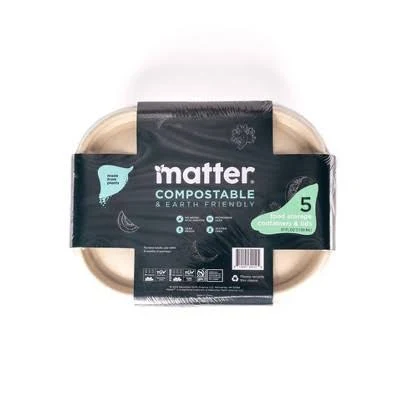
- Plant-based fiber pulp (compostable)
- A third party reports verifying it as PFAS-free
- Microbe/mold growth if stored damp
2 hazards checked on this product, all on its full breakdown.
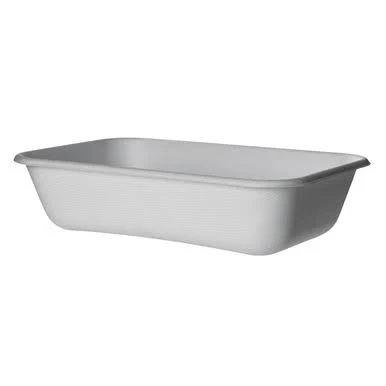
Eco-Products
Eco Products WorldView Compostable Take-Out Containers EP-SCRC32
- Plant-based fiber (compostable sugarcane bagasse)
- A third party reports verifying it as PFAS-free
- Bleaching agents and processing residues
3 hazards checked on this product, all on its full breakdown.
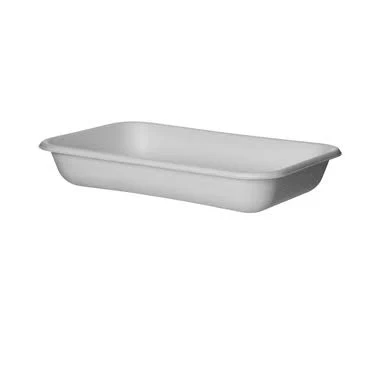
Eco-Products
WorldView Sugarcane Take-Out Containers
- Sugarcane bagasse (post-consumer fiber)
- A third party reports verifying it as PFAS-free
- Cellulose fiber degradation and food contact
2 hazards checked on this product, all on its full breakdown.
More food packaging grades
How we score, every product runs through the same public 0-100 rubric based on materials, coatings, brand disclosure, lab findings, and recalls. See the full methodology → Spotted a mistake? Report an error.