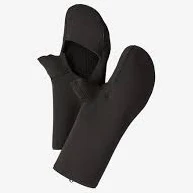
Patagonia · Waterproof Winter Gloves
Patagonia HomePool Mitt Gloves, Rogue Valley Anglers
A water-repellent or grease-resistant treatment of unstated chemistry, with a brand PFAS statement we have not verified.
Patagonia says 100% of its new products from Spring 2025 are made without intentionally added PFAS. We record that as an unverified brand claim. Its record describes a water-repellent or grease-resistant treatment of unstated chemistry, which is still counted.
Brand says: “Patagonia says 100% of its new products from Spring 2025 are made without intentionally added PFAS.”
The better-graded swap
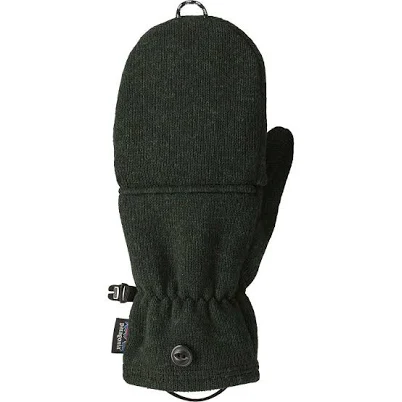
Patagonia
Better Sweater Gloves Patagonia Women's
90/100 safety
Same rubric that flunked this product. The swap earned Excellent.
Still want this one anyway? Check the price on Amazon. We’d swap it.
Material
Recycled nylon with water-repellent coating water-resistant treatment
Brand disclosure
Brand claims PFAS-free
Lab data
No public lab test
What Patagonia HomePool Mitt Gloves, Rogue is made of, ingredients and materials
These gloves are constructed from recycled nylon, a synthetic polyamide that is durable and inherently water-resistant to some degree. The water-repellent (water-repellent coating) finish applied to the nylon surface is the critical unknown, Patagonia states a PFAS-free intention, but the specific chemistry of this treatment is not disclosed in publicly available materials. Recycled nylon itself carries no established toxicity risk, but the coating's composition determines whether volatile organic compounds (VOCs), formaldehyde releasers, or other chemical residues are present.
What’s concerning
Category baseline
The starting point for this type of product, before anything specific to this product is counted.
Waterproof / stain-resistant treatment
Water-repellent coating treatments have historically used PFAS.
water-repellent coating treatment chemistry (unspecified)
The water-repellent finish is not chemically identified in available product documentation. While Patagonia claims PFAS-free formulation, independent verification is absent. Possible exposure is primarily dermal contact during wear; inhalation risk is low in finished gloves.
Microplastic shedding from recycled nylon
Recycled nylon fibers can gradually shed in small quantities during washing and wear. Shed microplastics are not absorbed through skin but may enter waterways. This is a broader material-class issue, not specific to Patagonia, and affects most synthetic gloves similarly.
Allergic contact dermatitis from finish residues
Some individuals report skin irritation from synthetic glove coatings, though it is uncommon. Without knowing the water-repellent coating chemistry, the risk cannot be quantified. Pre-washing and patch-testing on a small skin area are sensible precautions for sensitive users.
What’s reassuring
Brand-stated PFAS-free
The brand states this product is PFAS-free. We have not verified the claim.
Formaldehyde / VOCs
No recalls or reported incidents link Patagonia gloves to VOC off-gassing or formaldehyde. Recycled nylon can occasionally retain residues from prior processing, but finished consumer gloves are not a documented source of concern in this product class.
Source, ATSDR ↗Azo dyes in colored nylon
Patagonia maintains restricted substance policies that exclude most carcinogenic azo dyes. No third-party test results are publicly posted for this specific glove, but brand-wide standards make azo contamination unlikely. Color fastness and bleeding are minimal concerns based on product design.
The full breakdown
The brand's record and disclosure
Patagonia has committed publicly to eliminating PFAS from its product lines and has made progress on jackets and some apparel. However, this specific glove line's water-repellent coating treatment lacks third-party verification or detailed ingredient transparency typical of their outerwear. The brand's overall environmental and labor practices are well-documented and generally favorable, but chemical disclosure on water treatments in accessories remains inconsistent across their catalog. No recall or contamination incident is on record for this model.
How it compares in its category
Winter gloves in this segment typically use either fluorocarbon-based water-repellent coating (PFAS), silicone-based alternatives, or wax coatings. Patagonia's claim to avoid PFAS is a meaningful differentiation if verified, placing it ahead of most mass-market brands that use legacy chemistries. However, without independent lab confirmation or material safety data sheets, it occupies an ambiguous middle ground, better intent than competitors, but less transparent than brands with third-party certification (e.g., Bluesign, OEKO-TEX). Recycled nylon as a base material is responsible sourcing in itself.
If you buy it
Wash gloves in cool water by hand or gentle machine cycle; avoid hot water and dryers, which can degrade both the nylon and the water-repellent coating. Air dry flat or hanging. Reapply a water-repellent coating spray with lower PFAS concern (water-based silicone formulations are available commercially) once or twice per season to maintain water resistance. If the gloves develop odor, discoloration, or visible coating flaking, that signals degradation of the treatment and replacement is appropriate. Store dry in a breathable bag to prevent mold growth in the recycled fiber.
What we don’t know
- Basis
- Model estimate, 45% confidence, not a lab result
- Lab test
- None on record for this exact product
- Brand statement
- Patagonia has made a specific claim
Formulations change between production runs, so check the current label. How we grade.
Better-graded alternatives in Waterproof Winter Gloves
Patagonia
Better Sweater Gloves Patagonia Women's
- Polyester fleece (recycled)
- The brand calls it PFAS-free, which we have not verified
- Heavy metals
2 hazards checked on this product. See all of them.
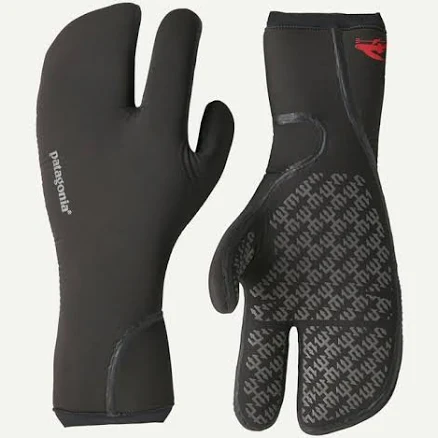
Patagonia
R4 Yulex Regulator Three Finger Mitts
- Yulex (synthetic rubber), neoprene-free alternative
- The brand calls it PFAS-free, which we have not verified
- Allergic contact dermatitis (rubber/guayule sensitivity)
2 hazards checked on this product. See all of them.
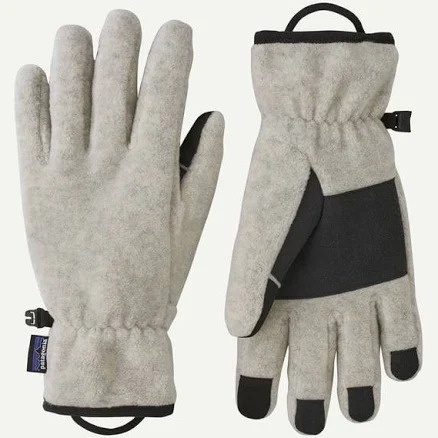
Patagonia
Synchilla Gloves
- Polyester fleece (Synchilla®); no water-repellent treatment disclosed
- The brand calls it PFAS-free, which we have not verified
- Microplastics
2 hazards checked on this product. See all of them.
More waterproof winter gloves grades
How we score, every product runs through the same public 0-100 rubric based on materials, coatings, brand disclosure, lab findings, and recalls. See the full methodology → Spotted a mistake? Report an error.