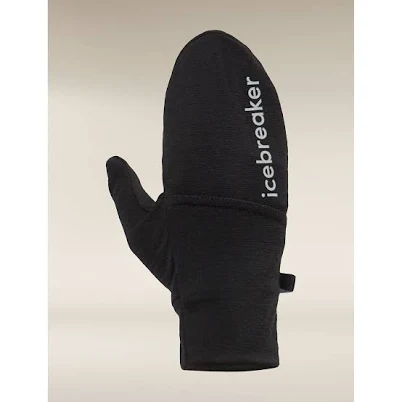
Icebreaker · Waterproof Winter Gloves
Icebreaker Merino 200 Convertible Mittens
Lower-concern option; merino wool without disclosed water-repellent coating mitigates PFAS worry, though brand transparency is limited.
Icebreaker's Merino 200 Convertible Mittens use merino wool with no disclosed water-repellent or stain-resistant treatment, which lowers PFAS concern. The brand makes no PFAS claims or certifications.
The better-graded swap
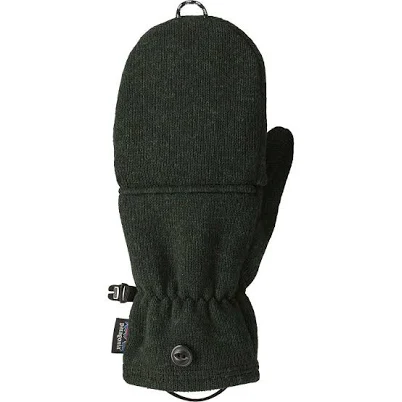
Patagonia
Better Sweater Gloves Patagonia Women's
90/100 safety
Same rubric that flunked this product. The swap earned Excellent.
Still want this one anyway? Check the price on Amazon. We’d swap it.
Material
Merino wool blend; no chemical water-repellent coating disclosed
Brand disclosure
Brand is silent on PFAS
Lab data
No public lab test
What Icebreaker Merino 200 Convertible Mittens is made of, ingredients and materials
Icebreaker Merino 200 Convertible Mittens are constructed from merino wool blended with synthetic fibers (typically nylon or polyester for structure and durability). Merino wool is a natural protein fiber that does not require heavy chemical finishing for basic water resistance, wool naturally sheds moisture due to its microscopic structure. The absence of a disclosed water-repellent coating (water-repellent coating) chemical coating (common in synthetic winter gloves) eliminates exposure to fluorinated or silicone-based treatments that can accumulate in the body and environment.
What’s concerning
Category baseline
The starting point for this type of product, before anything specific to this product is counted.
No PFAS disclosure
No public statement from the brand about PFAS in this product.
Formaldehyde / VOCs
Merino wool and synthetic blend textiles are often treated with formaldehyde-based resins for wrinkle resistance and shrink control. Icebreaker does not disclose finishing chemistry; off-gassing risk is typically low after initial wear and washing, but cannot be ruled out without test data.
Source, ATSDR ↗Azo dyes and synthetic dye toxicity
Colored merino blends may use azo dyes that can release aromatic amines under certain conditions. No specific dye safety certification is disclosed for this product; reputable brands often use compliant dyes, but verification is absent here.
Antimony in polyester fiber
If the synthetic component is polyester, residual antimony (a catalyst used in polymerization) may be present at trace levels. Skin contact via gloves poses minimal ingestion risk, but accumulation is theoretically possible with prolonged, direct contact.
Microplastic shedding from synthetic blend
Merino-synthetic blends shed microfibers during washing and wear, though merino content typically reduces shedding compared to 100% synthetic gloves. Washing in a mesh bag and avoiding high agitation can minimize environmental release.
What’s reassuring
Base material not linked to PFAS
The main material recorded for this product is not one associated with PFAS.
Nickel or metal fasteners in cuff/closure
Convertible mittens often feature metal snaps or elastic cuffs with metal components. No nickel allergies or dermatitis cases specific to Icebreaker mittens are documented; standard materials typically meet EU nickel limits, but direct contact sensitivity is individual.
The full breakdown
The brand's record and disclosure
Icebreaker is owned by VF Corporation and markets itself as an outdoor/performance brand with sustainability commitments, though specific chemical disclosures for individual products remain limited. The company does not publicly highlight whether this glove line undergoes formaldehyde-resin finishing or other standard textile treatments, and PFAS transparency is notably absent from product labels or marketing materials. No major recalls or safety controversies specific to Icebreaker mittens have been documented in public records. The brand's silence on chemical inputs is typical for performance apparel but limits full hazard assessment.
How it compares in its category
Most waterproof winter gloves rely on synthetic outer shells (polyester, nylon) treated with fluorinated water-repellent coating coatings to achieve water resistance, creating PFAS exposure. Merino wool alternatives like this one sidestep that concern by leveraging the fiber's natural hydrophobic properties, placing them in a lower-chemical-input segment of the category. Convertible mittens that expose fingertips may reduce overall chemical surface area compared to full enclosure designs. This product sits in the safety-conscious subset of winter gloves, though merino blends trade some water-shedding performance for reduced synthetic chemical load.
If you buy it
Wash in cool water with mild detergent and avoid fabric softeners or high-heat drying, which can damage wool fibers and degrade water resistance over time. Merino wool does not require frequent washing; spot-cleaning or airing out between wears extends lifespan and reduces chemical exposure from detergent residue. Replace when wool fibers pill noticeably, cuffs lose elasticity, or seams fray, as degradation can allow moisture penetration and increase microplastic shedding. Store in a dry location to prevent mildew and avoid prolonged exposure to direct heat sources, which can weaken protein structure.
What we don’t know
- Basis
- Model estimate, 72% confidence, not a lab result
- Lab test
- None on record for this exact product
- Brand statement
- Icebreaker has made none
Formulations change between production runs, so check the current label. How we grade.
Better-graded alternatives in Waterproof Winter Gloves
Patagonia
Better Sweater Gloves Patagonia Women's
- Polyester fleece (recycled)
- The brand calls it PFAS-free, which we have not verified
- Heavy metals
2 hazards checked on this product. See all of them.
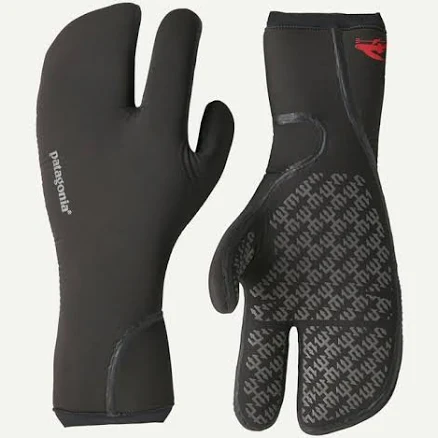
Patagonia
R4 Yulex Regulator Three Finger Mitts
- Yulex (synthetic rubber), neoprene-free alternative
- The brand calls it PFAS-free, which we have not verified
- Allergic contact dermatitis (rubber/guayule sensitivity)
2 hazards checked on this product. See all of them.
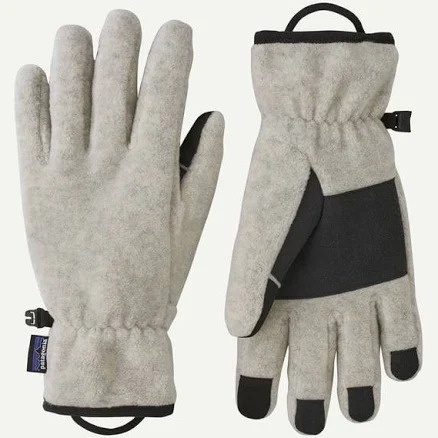
Patagonia
Synchilla Gloves
- Polyester fleece (Synchilla®); no water-repellent treatment disclosed
- The brand calls it PFAS-free, which we have not verified
- Microplastics
2 hazards checked on this product. See all of them.
More waterproof winter gloves grades
How we score, every product runs through the same public 0-100 rubric based on materials, coatings, brand disclosure, lab findings, and recalls. See the full methodology → Spotted a mistake? Report an error.