Smartwool · Waterproof Winter Gloves
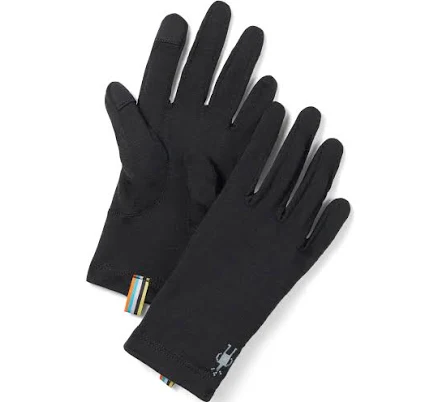
Smartwool Men's Merino Gloves
Lower PFAS concern; merino wool gloves without water-repellent treatment pose minimal risk.
These Smartwool gloves are pure merino wool with no inherent PFAS contamination risk. Smartwool doesn't claim water-repellent coating treatment on standard merino gloves, reducing fluorinated coating likelihood.
The better-graded swap
Patagonia
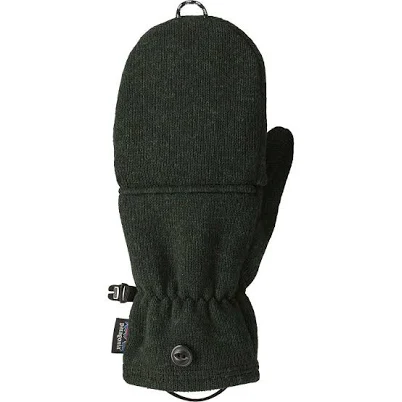
Better Sweater Gloves Patagonia Women's
90/100 safety
Same rubric that flunked this product. The swap earned Excellent.
Still want this one anyway? Check the price on Amazon. We’d swap it.
Material
Merino wool
Brand disclosure
Brand is silent on PFAS
Lab data
No public lab test
What Smartwool Men's Merino Gloves is made of, ingredients and materials
Smartwool Men's Merino Gloves are constructed primarily from merino wool, a natural protein fiber that requires minimal chemical processing compared to synthetic alternatives. Merino wool is inherently temperature-regulating and moisture-wicking, which means these gloves typically avoid the need for heavy water-repellent coatings that would introduce PFAS or other hazardous finishes. The fiber itself is biodegradable and does not shed microplastics when worn or washed, unlike synthetic blends.
What’s concerning
Category baseline
The starting point for this type of product, before anything specific to this product is counted.
No PFAS disclosure
No public statement from the brand about PFAS in this product.
Azo dyes (synthetic colorants)
Merino gloves are often dyed with synthetic azo dyes during manufacturing. Smartwool does not disclose specific dye chemistry for this product; azo dyes pose low dermal risk in finished textiles but are a process concern if restricted azo compounds are used.
What’s reassuring
Base material not linked to PFAS
The main material recorded for this product is not one associated with PFAS.
Formaldehyde / VOCs
Merino wool may receive minimal finishing treatments, but no formaldehyde-releasing resins are standard for Smartwool's product line based on available material specifications. If present, would be at trace levels well below apparel safety thresholds.
Source, ATSDR ↗Microplastic shedding
Pure merino wool fibers do not shed microplastics; natural protein fibers biodegrade. Risk would only arise if blended with polyester or nylon, which is not standard for Smartwool merino gloves.
Heavy metals
No recalls or testing data indicate heavy metal contamination (lead, cadmium, chromium) in Smartwool merino products. Merino dyes are generally low-metal formulations compared to leather or synthetic alternatives.
Source, FDA ↗Antimony in polyester (if blended)
Smartwool's core merino gloves are not polyester-based, so antimony catalysts used in polyester synthesis are not a concern. Only relevant if product includes polyester blend components, which should be confirmed on label.
The full breakdown
The brand's record and disclosure
Smartwool is owned by Timberland/VF Corporation and has not made explicit public commitments regarding PFAS elimination in textiles, but the brand's focus on natural merino wool products inherently limits synthetic chemical treatment requirements. No significant product recalls or safety controversies have been documented for Smartwool gloves or comparable merino apparel in public databases. The brand does not prominently advertise third-party certifications (such as Bluesign or OEKO-TEX) for this specific product line, though some items carry standard country-of-origin labeling.
How it compares in its category
Waterproof winter gloves typically fall into two categories, those using PFAS-based water repellents (water-repellent coating or water-repellent coating coatings) and those relying on natural wool hydrophobicity or minimal treatments. Smartwool's merino-only approach avoids the water-repellent coating chemical burden entirely, placing it at the lower-hazard end of the winter glove category compared to synthetic or heavily treated alternatives. Gloves with polyester shells or polyurethane membranes generally present higher PFAS risk and microplastic shedding potential.
If you buy it
Wash merino gloves in cool water with gentle detergent and avoid bleach or high heat, which can degrade fibers and trigger shedding. Air-dry flat or on a sweater rack; machine drying or direct heat exposure can cause pilling and loss of elasticity. Replace when seams fray, dexterity decreases due to compaction, or insulation noticeably fails (typically 2-3 seasons of regular winter use). No special storage is required beyond keeping them dry and moth-free (merino is susceptible to moth damage).
What we don’t know
- Basis
- Model estimate, 72% confidence, not a lab result
- Lab test
- None on record for this exact product
- Brand statement
- Smartwool has made none
Formulations change between production runs, so check the current label. How we grade.
Better-graded alternatives in Waterproof Winter Gloves
Patagonia
Better Sweater Gloves Patagonia Women's
- Polyester fleece (recycled)
- The brand calls it PFAS-free, which we have not verified
- Heavy metals
2 hazards checked on this product. See all of them.
Patagonia
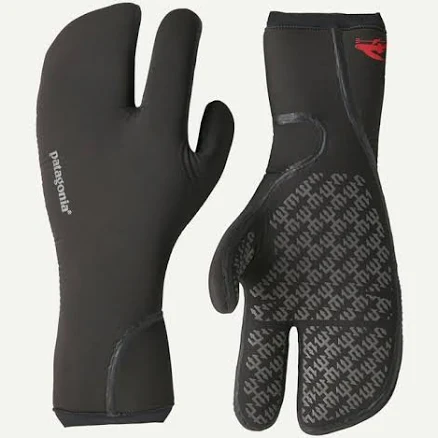
R4 Yulex Regulator Three Finger Mitts
- Yulex (synthetic rubber), neoprene-free alternative
- The brand calls it PFAS-free, which we have not verified
- Allergic contact dermatitis (rubber/guayule sensitivity)
2 hazards checked on this product. See all of them.
Patagonia
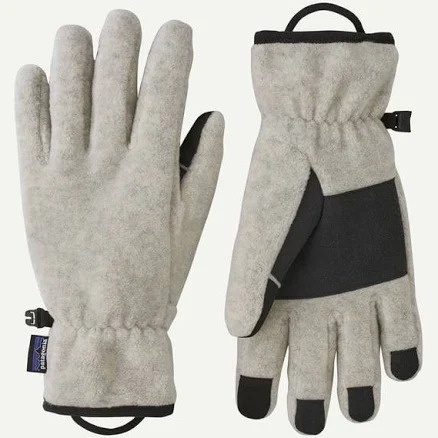
Synchilla Gloves
- Polyester fleece (Synchilla®); no water-repellent treatment disclosed
- The brand calls it PFAS-free, which we have not verified
- Microplastics
2 hazards checked on this product. See all of them.
More waterproof winter gloves grades
How we score, every product runs through the same public 0-100 rubric based on materials, coatings, brand disclosure, lab findings, and recalls. See the full methodology → Spotted a mistake? Report an error.