Patagonia · Waterproof Winter Gloves
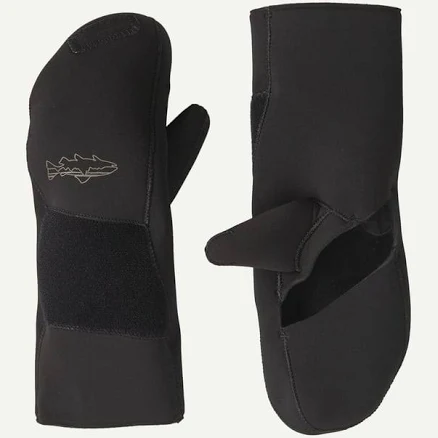
Patagonia Homepool Mitt Fishing Gloves
A water-repellent or grease-resistant treatment of unstated chemistry, with a brand PFAS statement we have not verified.
Patagonia says 100% of its new products from Spring 2025 are made without intentionally added PFAS. We record that as an unverified brand claim. Its record describes a water-repellent or grease-resistant treatment of unstated chemistry, which is still counted.
Brand says: “Patagonia says 100% of its new products from Spring 2025 are made without intentionally added PFAS.”
The better-graded swap
Patagonia
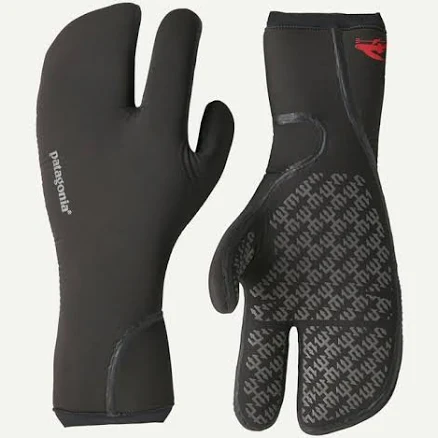
Patagonia R4 Yulex Regulator Three Finger Mitts
90/100 safety
Same rubric that flunked this product. The swap earned Excellent.
Still want this one anyway? Check the price on Amazon. We’d swap it.
Material
Neoprene with water-repellent coating (water-repellent coating) coating
Brand disclosure
Brand claims PFAS-free
Lab data
No public lab test
You may also be interested in
Top-graded picks in the categories readers replace first, every one scored on the same rubric.

- polypropylene filter housing, carbon/sediment cartridge
- We found no PFAS statement from the brand
- Bacterial growth in spent cartridges
3 hazards checked on this product, all on its full breakdown.

Aquasure
Premier Series 75 GPD Under Sink Reverse Osmosis Water Filtration System
- RO membrane, carbon filters, stainless steel housing
- We found no PFAS statement from the brand
- Bacterial and microbial growth in housing and filters
4 hazards checked on this product, all on its full breakdown.

Avocado
Vegan Mattress
- organic cotton, natural latex, coconut coir, recycled steel coils
- The brand calls it PFAS-free, which we have not verified
- Heavy metals
2 hazards checked on this product, all on its full breakdown.
What Patagonia Homepool Mitt Fishing Gloves is made of, ingredients and materials
These gloves are neoprene (synthetic rubber) lined with nylon or similar fabric, treated with a water-repellent coating (water-repellent coating) coating of undisclosed chemistry. Neoprene itself is chemically stable and does not leach hazardous compounds under normal use. However, the water-repellent coating treatment is the critical unknown, Patagonia claims it is PFAS-free, but the specific chemistry (likely fluorocarbon-based alternatives, wax, silicone, or hybrid systems) is not publicly detailed. This coating degrades with use and washing, potentially creating microparticles or exposing untreated neoprene.
What’s concerning
Category baseline
The starting point for this type of product, before anything specific to this product is counted.
Waterproof / stain-resistant treatment
Water-repellent coating treatments have historically used PFAS.
water-repellent coating degradation and particle shedding
As the water-repellent coating wears, microscopic flakes may shed during use or washing. The hazard level depends on coating chemistry (unknown) and durability; neoprene itself is inert, but poorly adherent coatings can generate fine particles.
Azo dyes in textile linings
The nylon or polyester lining inside the glove may be dyed; azo dyes are not banned in most jurisdictions and can release aromatic amines under sweat or abrasion. Patagonia does not publicly specify lining dye chemistry for this product.
PFAS
Fluorocarbon-free water-repellent coating alternatives (wax, silicone, hydrocarbon-based blends) are emerging but their long-term inhalation or dermal toxicity profiles are less established than legacy PFAS. Patagonia's specific choice is not disclosed, making risk assessment incomplete.
Source, ATSDR ↗What’s reassuring
Brand-stated PFAS-free
The brand states this product is PFAS-free. We have not verified the claim.
Formaldehyde / VOCs
Neoprene gloves do not typically employ formaldehyde-releasing adhesives in construction. No recalls or documented reports of formaldehyde off-gassing from neoprene fishing gloves exist in public records.
Source, ATSDR ↗Flame retardants
Fishing gloves are not typically treated with flame retardants and neoprene is inherently low-flammability. No evidence of antimony or brominated flame retardants in this product category from Patagonia exists in public sources.
Source, EPA ↗How is this PFAS grade calculated?
The brand's record and disclosure
Patagonia has a documented commitment to environmental transparency and has publicly stated a move away from legacy PFAS in apparel and gear. However, for this specific product, the brand has not published third-party test results or a detailed material safety data sheet confirming the water-repellent coating chemistry. Patagonia's general PFAS statement applies broadly; product-level verification is absent from publicly available sources. This is a gap in transparency, not evidence of harm, but it limits independent validation.
How it compares in its category
Neoprene fishing gloves are a standard choice for cold-water work and are inherently more chemically stable than synthetic polymer blends or laminated textiles used in some competitors. Most fishing gloves in this category rely on water-repellent coating coatings; Patagonia's position as PFAS-free (if verified) would place it ahead of brands still using legacy fluorochemicals, but without independent lab confirmation, the advantage is unproven. Wool or wool-blend gloves with traditional lanolin treatment offer an alternative with lower chemical processing, though they perform differently in wet conditions.
If you buy it
Inspect the coating regularly for peeling, cracking, or whitening; once degraded, the gloves remain functional but the water-repellent coating benefit is lost and microscopic wear particles may increase. Wash by hand in cool water with mild detergent; machine washing and hot water accelerate coating breakdown. Do not expose to heat sources (radiators, direct sunlight prolonged storage) as neoprene can degrade and coating adhesion weakens. Replace when seams fray, coating loss is extensive, or grip fails, not solely because water stops beading off.
What is not known about PFAS in this product?
- Basis
- Model estimate, 45% confidence, not a lab result
- Lab test
- None on record for this exact product
- Brand statement
- Patagonia has made a specific claim
Formulations change between production runs, so check the current label. How we grade.
What are the PFAS-free alternatives to Patagonia Homepool Mitt Fishing Gloves?
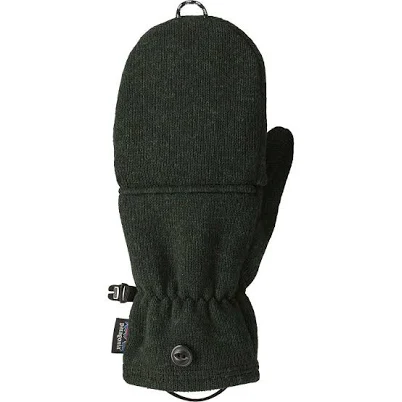
- Polyester fleece (recycled)
- The brand calls it PFAS-free, which we have not verified
- Heavy metals
2 hazards checked on this product, all on its full breakdown.
- Yulex (synthetic rubber), neoprene-free alternative
- The brand calls it PFAS-free, which we have not verified
- Allergic contact dermatitis (rubber/guayule sensitivity)
2 hazards checked on this product, all on its full breakdown.
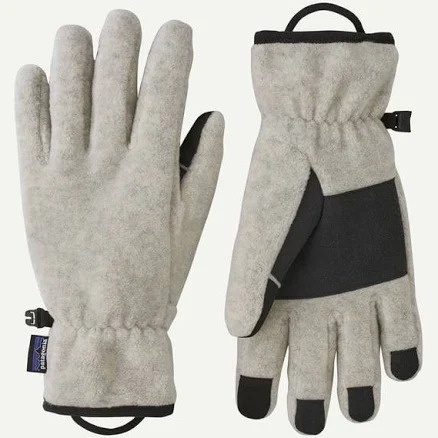
- Polyester fleece (Synchilla®); no water-repellent treatment disclosed
- The brand calls it PFAS-free, which we have not verified
- Microplastics
2 hazards checked on this product, all on its full breakdown.
More waterproof winter gloves grades
How we score, every product runs through the same public 0-100 rubric based on materials, coatings, brand disclosure, lab findings, and recalls. See the full methodology → Spotted a mistake? Report an error.