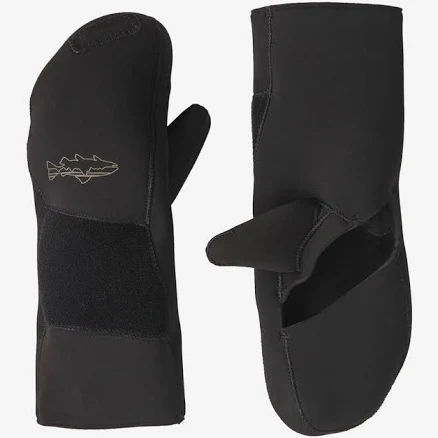
Patagonia · Waterproof Winter Gloves
Patagonia Homepool Mitt Gloves Black / XL
A water-repellent or grease-resistant treatment of unstated chemistry, with a brand PFAS statement we have not verified.
Patagonia says 100% of its new products from Spring 2025 are made without intentionally added PFAS. We record that as an unverified brand claim. Its record describes a water-repellent or grease-resistant treatment of unstated chemistry, which is still counted.
Brand says: “Patagonia says 100% of its new products from Spring 2025 are made without intentionally added PFAS.”
The better-graded swap
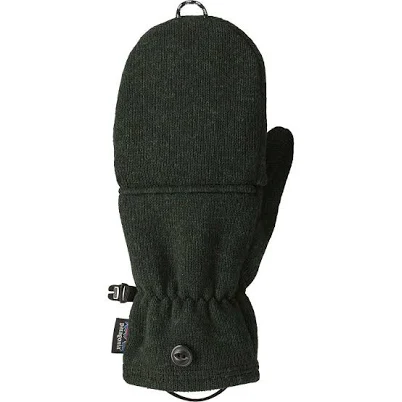
Patagonia
Better Sweater Gloves Patagonia Women's
90/100 safety
Same rubric that flunked this product. The swap earned Excellent.
Still want this one anyway? Check the price on Amazon. We’d swap it.
Material
Nylon/polyester with water-repellent coating water-repellent coating (type unspecified)
Brand disclosure
Brand claims PFAS-free
Lab data
No public lab test
What Patagonia Homepool Mitt Gloves Black / XL is made of, ingredients and materials
These gloves use nylon and polyester base fabrics with an applied water-repellent coating (water-repellent coating) coating of unspecified chemistry. water-repellent coating coatings historically relied on PFAS compounds (perfluorocarbons), though many brands now use PFAS-free alternatives such as wax-based or silicone formulations. Without Patagonia specifying which chemistry they use in this product, the actual water-repellent mechanism remains unclear, making independent verification of their PFAS-free claim difficult. Nylon and polyester themselves do not leach hazardous chemicals under normal wear.
What’s concerning
Category baseline
The starting point for this type of product, before anything specific to this product is counted.
Waterproof / stain-resistant treatment
Water-repellent coating treatments have historically used PFAS.
PFAS
Patagonia claims PFAS-free but has not disclosed the specific water-repellent coating formulation in this product. While the brand's general commitment is credible, independent verification is unavailable. If the coating chemistry is PFAS-based despite the claim, occupational or cumulative exposure risk exists (minimal during normal wear, higher in manufacturing/laundry).
Source, ATSDR ↗Microplastic shedding from synthetic fibers
Nylon and polyester gloves shed microfibers during washing and wear, releasing synthetic particles into wastewater and potentially the environment. This is not a direct consumer health hazard but an environmental one; repeated washing and friction accelerate shedding.
Coating degradation over time (performance, not toxicity)
Water-repellent coating coatings degrade with washing and UV exposure, losing water repellency. Patagonia's reapplication guidance implies this is expected; degradation itself is not a safety hazard, but worn-out gloves may be discarded prematurely rather than recycled.
What’s reassuring
Brand-stated PFAS-free
The brand states this product is PFAS-free. We have not verified the claim.
Azo dyes in polyester/nylon textiles
No specific safety incidents or restricted azo dyes have been reported for Patagonia gloves. The brand typically sources from facilities with dye-control standards, though no third-party certification (e.g., OEKO-TEX, GOTS) is mentioned for this product.
Formaldehyde / VOCs
Standard nylon and polyester manufacturing may use trace formaldehyde-release resins, but Patagonia's quality standards and premium positioning suggest low residual levels. No specific formaldehyde exposure incidents are on record for this product.
Source, ATSDR ↗The full breakdown
The brand's record and disclosure
Patagonia has publicly committed to eliminating PFAS from its product lines and has been recognized by environmental groups for transparency on synthetic textile treatments. However, the company has not consistently disclosed the specific water-repellent coating chemistry used in individual products, creating a gap between stated commitment and verifiable proof. No recalls or safety violations are on record for this glove model. The brand's strong reputation for accountability and repair programs (Worn Wear initiative) suggests good faith, but chemistry transparency on coatings remains incomplete.
How it compares in its category
Most winter gloves use either PFAS-based water-repellent coating (cheaper, durable) or alternatives not linked to PFAS (wax, silicone, fluorocarbon-free synthetics). Patagonia's position as a premium, sustainability-focused brand typically means higher standards than budget competitors, but lack of disclosed coating chemistry puts this product on par with many mainstream offerings in terms of consumer clarity. Wool or wool-blend gloves eliminate synthetic water-repellent treatments entirely, though they trade durability and performance. High-end outdoor brands increasingly specify their water-repellent coating chemistry; Patagonia's silence here is a weak point relative to peers.
If you buy it
Wash these gloves in cool water with mild detergent and air-dry; heat can degrade the water-repellent coating and nylon fibers. Reapply water-repellent coating treatment every few seasons if water no longer beads on the surface, following Patagonia's care instructions to ensure you use a PFAS-free product. Store in a cool, dry place away from direct sunlight to prevent accelerated aging of both fabric and coating. If the gloves reach end-of-life, Patagonia accepts them through Worn Wear for recycling or resale, reducing textile waste.
What we don’t know
- Basis
- Model estimate, 35% confidence, not a lab result
- Lab test
- None on record for this exact product
- Brand statement
- Patagonia has made a specific claim
Formulations change between production runs, so check the current label. How we grade.
Better-graded alternatives in Waterproof Winter Gloves
Patagonia
Better Sweater Gloves Patagonia Women's
- Polyester fleece (recycled)
- The brand calls it PFAS-free, which we have not verified
- Heavy metals
2 hazards checked on this product. See all of them.
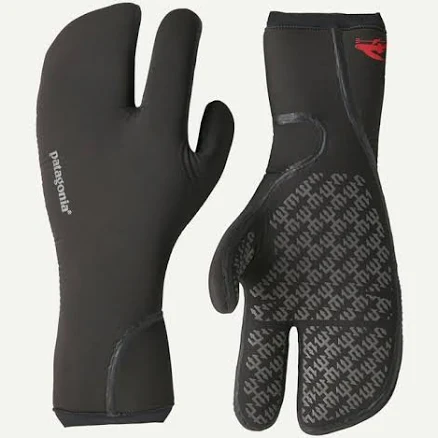
Patagonia
R4 Yulex Regulator Three Finger Mitts
- Yulex (synthetic rubber), neoprene-free alternative
- The brand calls it PFAS-free, which we have not verified
- Allergic contact dermatitis (rubber/guayule sensitivity)
2 hazards checked on this product. See all of them.
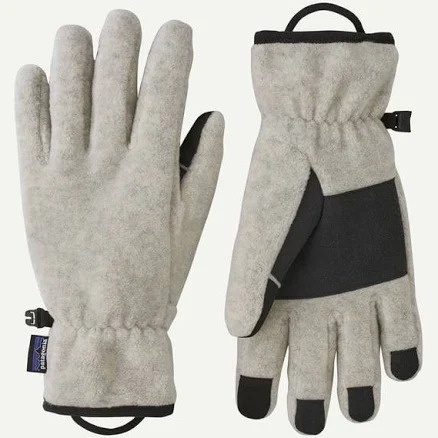
Patagonia
Synchilla Gloves
- Polyester fleece (Synchilla®); no water-repellent treatment disclosed
- The brand calls it PFAS-free, which we have not verified
- Microplastics
2 hazards checked on this product. See all of them.
More waterproof winter gloves grades
How we score, every product runs through the same public 0-100 rubric based on materials, coatings, brand disclosure, lab findings, and recalls. See the full methodology → Spotted a mistake? Report an error.