Icebreaker · Waterproof Winter Gloves
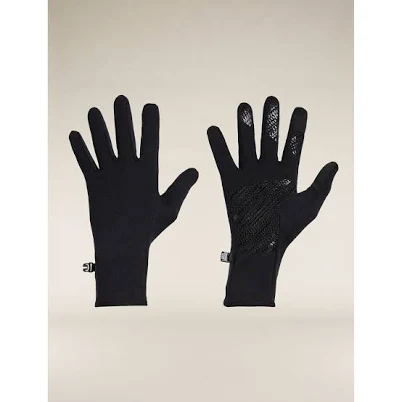
Icebreaker Quantum Gloves
Wool gloves without clear PFAS triggers, but Icebreaker hasn't disclosed water-repellent coating details.
These Icebreaker gloves are merino wool, a natural fiber with lower inherent PFAS risk. The brand doesn't confirm whether water-repellent coating is applied; if present, traditional coatings may contain PFAS.
The better-graded swap
Patagonia
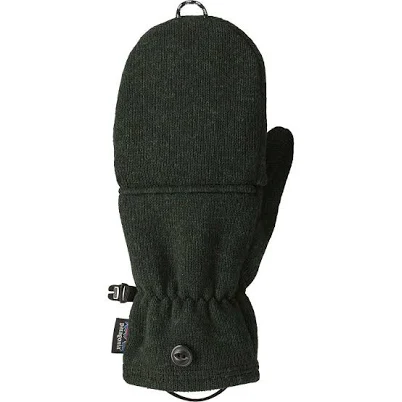
Better Sweater Gloves Patagonia Women's
90/100 safety
Same rubric that flunked this product. The swap earned Excellent.
Still want this one anyway? Check the price on Amazon. We’d swap it.
Material
Merino wool blend, likely uncoated or standard knit
Brand disclosure
Brand is silent on PFAS
Lab data
No public lab test
What Icebreaker Quantum Gloves is made of, ingredients and materials
Icebreaker Quantum Gloves are primarily Merino wool, a natural fiber that resists microbial growth and odor without heavy chemical treatment. Merino's structure naturally repels water to a degree, though waterproof gloves typically require a water-repellent coating (water-repellent coating) coating or laminate added during manufacturing. The hazard profile depends entirely on what water-repellent coating system Icebreaker uses and whether synthetic components (liners, cuffs, seams) introduce other chemicals. Icebreaker does not publicly detail whether their water-repellent coating is fluorinated or fluorine-free, creating a blind spot beyond the PFAS assessment.
What’s concerning
Category baseline
The starting point for this type of product, before anything specific to this product is counted.
No PFAS disclosure
No public statement from the brand about PFAS in this product.
Water-repellent (water-repellent coating) coating composition undisclosed
Icebreaker does not publicly state whether their water-repellent coating is fluorinated or fluorine-free. If fluorinated, residual PFAS exposure is possible during use and care (covered separately at 65/100). If fluorine-free, risk is minimal but unconfirmed.
What’s reassuring
Base material not linked to PFAS
The main material recorded for this product is not one associated with PFAS.
Azo dyes in synthetic dyes or accent stitching
Merino wool itself does not require toxic dyes, but Icebreaker's color lines use synthetic dyes of unknown azo status. No recalls or complaints specific to Icebreaker glove dyes are on record; azo dye exposure during wear is negligible unless dye transfer occurs (rare in finished goods).
Formaldehyde / VOCs
If gloves include polyester or nylon liners, formaldehyde-based resins are possible but not documented for Icebreaker. Standard apparel manufacturing does not typically use high-formaldehyde finishes on wool or glove liners. No complaints or test reports cite formaldehyde in Icebreaker gloves.
Source, ATSDR ↗Wool protein degradation and fiber shedding under heat or wear
Merino wool gloves may shed microfibers during heavy use or improper washing, but this is a durability and environmental concern, not a toxicity hazard. No chemical leachate results from normal wool shedding.
Metal fasteners or hardware corrosion
Gloves may include small metal closures, zippers, or snap buttons; if nickel-plated or low-grade steel, nickel leaching is theoretically possible with prolonged moisture. No recalls or allergic complaints specific to Icebreaker glove hardware are documented.
The full breakdown
The brand's record and disclosure
Icebreaker is known for sustainability marketing and has published environmental commitments, but they do not provide transparent ingredient or chemical disclosure for individual products. No major safety recalls, lead contamination, or formaldehyde violations have been recorded for Icebreaker apparel. The brand's silence on water-repellent coating composition is typical of the outdoor apparel industry but represents a gap in consumer transparency. They are not certified by stricter bodies like Bluesign or OEKO-TEX that enforce chemical restrictions at the factory level.
How it compares in its category
Winter gloves in this price and performance tier usually employ either fluorinated PFAS-based water-repellent coating (highly water-repellent but persistent) or newer fluorine-free alternatives (wax, silicone, or polyurethane coatings, less durable). Merino wool gloves are generally lower-risk than synthetic textiles because wool does not absorb or hold heavy metals well and is less prone to off-gassing. Compared to neoprene or synthetic rubber gloves, Icebreaker's approach avoids phthalate and antimony concerns. The main trade-off is durability, wool gloves wear faster than leather or technical synthetics in high-friction use.
If you buy it
Wash before first use and then cold water, mild detergent only (no bleach or harsh chemicals that can strip treatments). Avoid machine drying and prolonged heat above 40C (104F), which can degrade wool proteins and any water-repellent coating. Replace when felting, pilling, or loss of water repellency becomes pronounced, typically 1-3 seasons of regular use. Store dry in a cool place; damp storage can encourage mold growth on wool, though this is a performance issue, not toxicity.
What we don’t know
- Basis
- Model estimate, 72% confidence, not a lab result
- Lab test
- None on record for this exact product
- Brand statement
- Icebreaker has made none
Formulations change between production runs, so check the current label. How we grade.
Better-graded alternatives in Waterproof Winter Gloves
Patagonia
Better Sweater Gloves Patagonia Women's
- Polyester fleece (recycled)
- The brand calls it PFAS-free, which we have not verified
- Heavy metals
2 hazards checked on this product. See all of them.
Patagonia
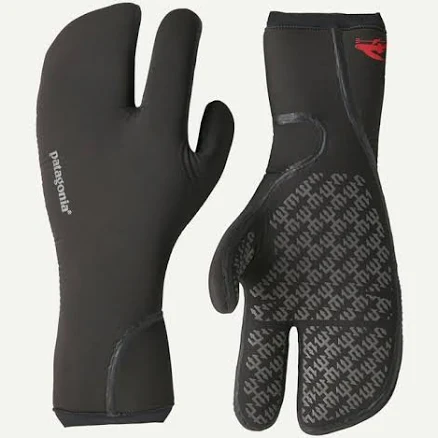
R4 Yulex Regulator Three Finger Mitts
- Yulex (synthetic rubber), neoprene-free alternative
- The brand calls it PFAS-free, which we have not verified
- Allergic contact dermatitis (rubber/guayule sensitivity)
2 hazards checked on this product. See all of them.
Patagonia
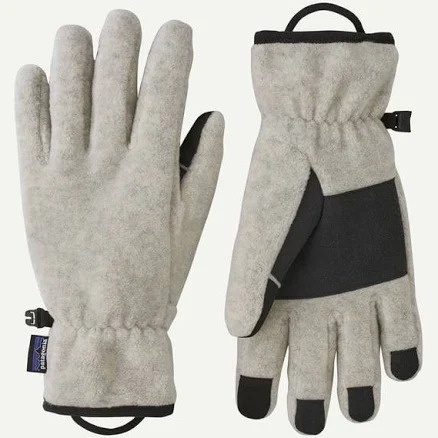
Synchilla Gloves
- Polyester fleece (Synchilla®); no water-repellent treatment disclosed
- The brand calls it PFAS-free, which we have not verified
- Microplastics
2 hazards checked on this product. See all of them.
More waterproof winter gloves grades
How we score, every product runs through the same public 0-100 rubric based on materials, coatings, brand disclosure, lab findings, and recalls. See the full methodology → Spotted a mistake? Report an error.