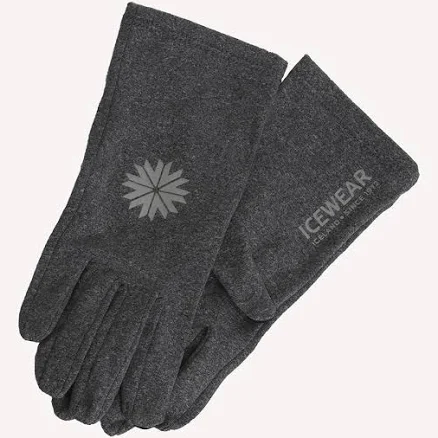
Fjallraven · Waterproof Winter Gloves
Fjall Fleece Gloves
Lower concern for basic fleece; no water-repellent coating means reduced PFAS risk, though brand transparency is absent.
Fjallraven's fleece gloves are primarily polyester with no disclosed water-repellent or stain-resistant treatment, which lowers PFAS exposure concern. Fjallraven makes no PFAS-free claims.
The better-graded swap
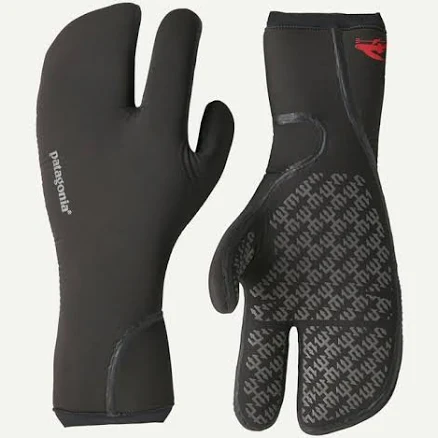
Patagonia
Patagonia R4 Yulex Regulator Three Finger Mitts
90/100 safety
Same rubric that flunked this product. The swap earned Excellent.
Still want this one anyway? Check the price on Amazon. We’d swap it.
Material
Fleece (recycled polyester/polyester blend)
Brand disclosure
Brand is silent on PFAS
Lab data
No public lab test
What Fjall Fleece Gloves is made of, ingredients and materials
Fjall Fleece Gloves are constructed from recycled polyester or polyester blend, a synthetic fiber created by melting and re-spinning plastic waste. Fleece itself is inherently lower-risk than coated or treated textiles because it contains no applied water-repellent chemicals, dyes applied at high temperatures, or antimicrobial finishes. The recycled content may reduce manufacturing footprint, though polyester fibers shed microplastics during washing and wear, a concern shared across all synthetic gloves. No information indicates flame-retardant treatment or formaldehyde-releasing resins in this product line.
What’s concerning
Category baseline
The starting point for this type of product, before anything specific to this product is counted.
No PFAS disclosure
No public statement from the brand about PFAS in this product.
Microplastic shedding during use and washing
Fleece gloves shed microplastics with every wash and season of wear, particularly when pilled or degraded. This is a confirmed environmental concern for all synthetic gloves, though not a direct chemical safety hazard to the wearer.
What’s reassuring
Base material not linked to PFAS
The main material recorded for this product is not one associated with PFAS.
Azo dyes in polyester
Azo dye safety in apparel is regulated in EU but less so in other markets. No specific test data or warnings exist for Fjall Fleece Gloves; standard polyester fleece dyes are generally compliant with major apparel standards, but brand testing disclosure is absent.
Antimony in polyester fibers
Antimony oxide is used as a polyester catalyst and can leach at trace levels from synthetic textiles, though dermal exposure from glove wear is negligible compared to ingestion routes. No specific data for this product; risk is theoretical and consistent with all polyester apparel.
Formaldehyde / VOCs
No evidence that Fjall Fleece Gloves contain formaldehyde releasers or durable press finishes. Uncoated fleece typically does not require such treatment, but brand silence on manufacturing inputs prevents absolute confirmation.
Source, ATSDR ↗Flame retardants
Winter gloves are not subject to flammability standards in major markets, and uncoated fleece does not require flame-retardant treatment. No public record of halogenated or other flame retardants in this product line.
Source, EPA ↗The full breakdown
The brand's record and disclosure
Fjallraven is a Swedish outdoor brand known for durability and sustainability messaging, yet publicly available safety disclosure on chemical inputs and testing is limited. The company has not published comprehensive hazard or PFAS testing reports for apparel lines, and no regulatory warnings or recalls specific to Fjall Fleece Gloves are documented. Brand silence on textile chemical standards means reliance on assumed compliance with EU or North American apparel regulations rather than third-party verification. This lack of transparency is typical for mid-tier outdoor brands but does not indicate confirmed hazard.
How it compares in its category
Winter fleece gloves without water-repellent coating present lower concern in the waterproof glove category, since most competitors use PFAS-laden water-repellent coating finishes or thermoplastic polyurethane membranes with plasticizer leaching risk. Fjallraven's uncoated fleece approach trades some weather resistance for chemical simplicity. Azo dyes (banned in EU textiles but variable enforcement globally) and antimony (a fire-retardant catalyst in polyester) remain generic polyester concerns, though neither is confirmed in this product. Overall, this sits in the lower-hazard tier of winter gloves.
If you buy it
Wash fleece gloves in cool water before first use to reduce loose dye transfer and microplastic shedding. Avoid high heat or dryers, which degrade polyester fibers and increase microplastic release during wear. Inspect gloves for seam integrity and pilling annually; replace when insulation is visibly worn, as fleece does not retain water-repellency indefinitely and will absorb moisture over 2-3 seasons of use. Air-dry away from direct heat or sunlight to preserve fiber structure.
What we don’t know
- Basis
- Model estimate, 72% confidence, not a lab result
- Lab test
- None on record for this exact product
- Brand statement
- Fjallraven has made none
Formulations change between production runs, so check the current label. How we grade.
Better-graded alternatives in Waterproof Winter Gloves
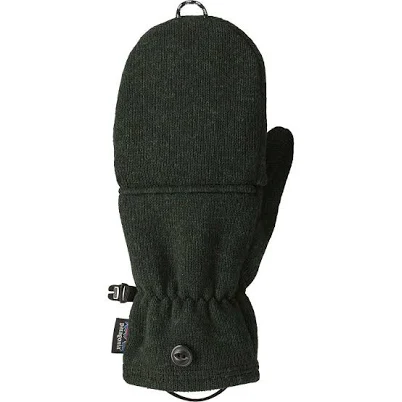
Patagonia
Better Sweater Gloves Patagonia Women's
- Polyester fleece (recycled)
- The brand calls it PFAS-free, which we have not verified
- Heavy metals
2 hazards checked on this product. See all of them.
Patagonia
R4 Yulex Regulator Three Finger Mitts
- Yulex (synthetic rubber), neoprene-free alternative
- The brand calls it PFAS-free, which we have not verified
- Allergic contact dermatitis (rubber/guayule sensitivity)
2 hazards checked on this product. See all of them.
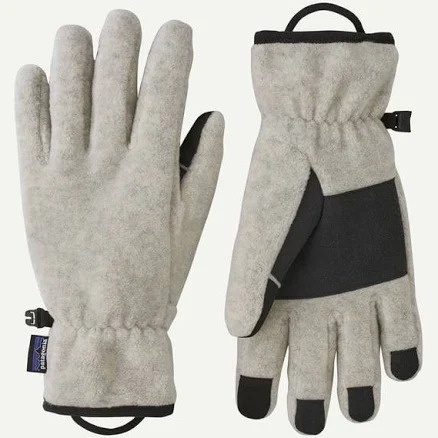
Patagonia
Synchilla Gloves
- Polyester fleece (Synchilla®); no water-repellent treatment disclosed
- The brand calls it PFAS-free, which we have not verified
- Microplastics
2 hazards checked on this product. See all of them.
More waterproof winter gloves grades
How we score, every product runs through the same public 0-100 rubric based on materials, coatings, brand disclosure, lab findings, and recalls. See the full methodology → Spotted a mistake? Report an error.