Icebreaker · Waterproof Winter Gloves
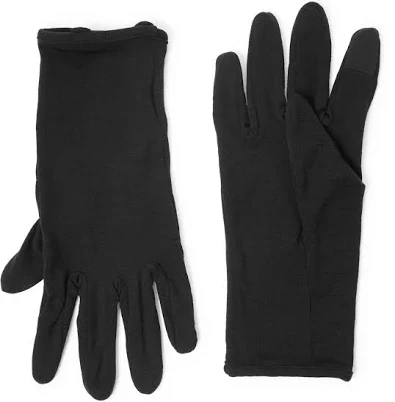
Icebreaker 260 Tech Glove Liner
Lower PFAS concern; natural fiber liner without known water treatment, but brand transparency is missing.
Icebreaker's Tech Glove Liner is primarily merino wool blended with synthetics, materials with lower inherent PFAS risk than synthetic-heavy fleeces or treated textiles. The brand makes no public PFAS disclosure.
The better-graded swap
Patagonia
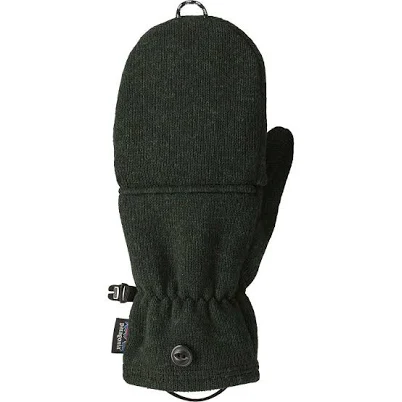
Better Sweater Gloves Patagonia Women's
90/100 safety
Same rubric that flunked this product. The swap earned Excellent.
Still want this one anyway? Check the price on Amazon. We’d swap it.
Material
Merino wool blend, likely polyester base
Brand disclosure
Brand is silent on PFAS
Lab data
No public lab test
What Icebreaker 260 Tech Glove Liner is made of, ingredients and materials
The Icebreaker 260 Tech Glove Liner combines merino wool (natural, biodegradable protein fiber) with a polyester base for structure and durability. Merino wool itself does not require chemical water-repellent treatment to function; it naturally wicks moisture. The polyester component may carry finishing resins or dyes, but the merino content dominates the material composition, reducing reliance on synthetic water barriers that often contain PFAS.
What’s concerning
Category baseline
The starting point for this type of product, before anything specific to this product is counted.
No PFAS disclosure
No public statement from the brand about PFAS in this product.
Azo dyes in polyester base
Polyester in the blend may use standard azo dyes, which can release aromatic amines under sweat or friction. No specific recalls or testing on this model is on record, but polyester textiles in intimate contact (liners worn under gloves) warrant awareness of dye stability over time.
Formaldehyde / VOCs
Wool and polyester blends sometimes receive wrinkle-resistant or dimensional-stability treatments containing formaldehyde donors. Icebreaker does not disclose finishing chemistry publicly. Risk is moderate because merino fibers naturally resist wrinkling, reducing need for harsh resins, but polyester portions may carry residual treatments.
Source, ATSDR ↗Pilling and microfiber shedding
Merino-polyester blends are prone to pilling with friction (hands in pockets, repeated movement). Shed fibers are not microplastics in the ocean-pollution sense but represent microfiber release into home laundry systems. This is hygiene-relevant rather than toxicological but worth noting for repeat washers.
Allergen risk from wool and dyes
Merino wool is hypoallergenic compared to coarser wools, but individuals with wool sensitivity or dye sensitivities may experience skin irritation if the product retains processing residues. No documented allergic incidents specific to Icebreaker 260 are on record, but patch testing is recommended for known wool-sensitive users.
What’s reassuring
Base material not linked to PFAS
The main material recorded for this product is not one associated with PFAS.
Elastic degradation in cuffs
Glove liners often incorporate elastic or spandex in cuff regions. Icebreaker does not disclose cuff material composition publicly, so accelerated aging of elastics under UV or heat cannot be assessed. Standard practice is replacement once elastic no longer holds tension.
The full breakdown
The brand's record and disclosure
Icebreaker (owned by Smartwool parent company) has not published detailed chemical transparency reports or specific PFAS commitments as of recent public records. The brand does not appear on major PFAS-free certification lists (e.g., ZDHC Gateway, Bluesign+). However, Icebreaker's use of merino wool as a primary material aligns with performance-first positioning rather than heavy chemical reliance, suggesting practical rather than marketed safety choices.
How it compares in its category
Winter glove liners typically rely on synthetics (acrylic, nylon) or merino blends. Merino-dominant products generally avoid the fluorinated water-repellent coating (water-repellent coating) coatings common in polyester-only liners; acrylic alternatives often use heavier chemical finishes. The Icebreaker 260 sits in the middle of the safety spectrum for the category, trading some water-beading performance for lower chemical burden compared to fully synthetic tech liners.
If you buy it
Wash in cool to warm water (not hot) with wool-specific detergent to preserve fiber integrity and avoid accelerating any residual finish degradation. Do not machine dry; lay flat to dry. Replace when elastic loses tension or pilling becomes excessive (typically 2-3 years of regular use). Store in a breathable bag to prevent mildew; merino resists odor but moisture retention can encourage microbial growth if sealed damp.
What we don’t know
- Basis
- Model estimate, 72% confidence, not a lab result
- Lab test
- None on record for this exact product
- Brand statement
- Icebreaker has made none
Formulations change between production runs, so check the current label. How we grade.
Better-graded alternatives in Waterproof Winter Gloves
Patagonia
Better Sweater Gloves Patagonia Women's
- Polyester fleece (recycled)
- The brand calls it PFAS-free, which we have not verified
- Heavy metals
2 hazards checked on this product. See all of them.
Patagonia
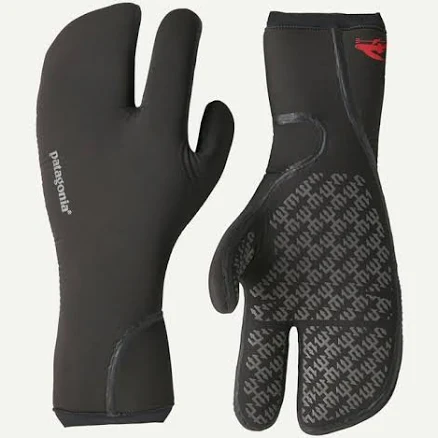
R4 Yulex Regulator Three Finger Mitts
- Yulex (synthetic rubber), neoprene-free alternative
- The brand calls it PFAS-free, which we have not verified
- Allergic contact dermatitis (rubber/guayule sensitivity)
2 hazards checked on this product. See all of them.
Patagonia
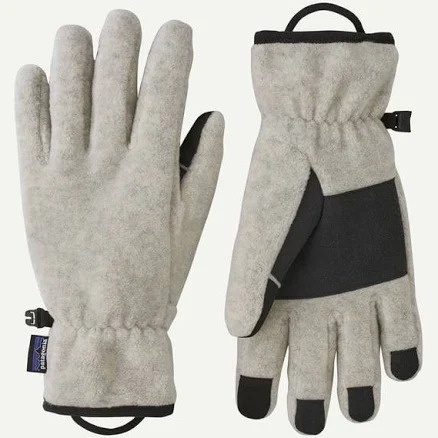
Synchilla Gloves
- Polyester fleece (Synchilla®); no water-repellent treatment disclosed
- The brand calls it PFAS-free, which we have not verified
- Microplastics
2 hazards checked on this product. See all of them.
More waterproof winter gloves grades
How we score, every product runs through the same public 0-100 rubric based on materials, coatings, brand disclosure, lab findings, and recalls. See the full methodology → Spotted a mistake? Report an error.