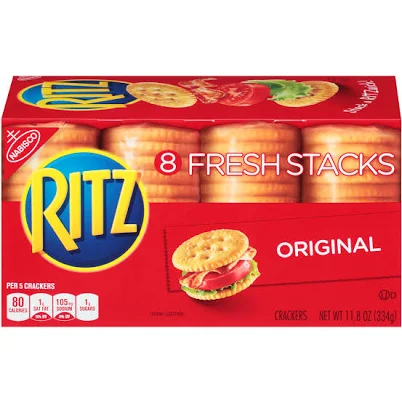
Ritz Fresh Stacks Crackers
Packaged snack with minimal PFAS concern, but no brand transparency.
Fresh Stacks uses paperboard and plastic without typical PFAS-prone coatings. No PFAS claims exist, but standard cracker packaging carries minimal concern.
We flunk more products than we pass. This one earned its grade. How we grade
Material
paperboard box, plastic sleeve
Brand disclosure
Brand is silent on PFAS
Lab data
No public lab test
You may also be interested in
Top-graded picks in the categories readers replace first, every one scored on the same rubric.

- polypropylene filter housing, carbon/sediment cartridge
- We found no PFAS statement from the brand
- Bacterial growth in spent cartridges
3 hazards checked on this product, all on its full breakdown.

Aquasure
Premier Series 75 GPD Under Sink Reverse Osmosis Water Filtration System
- RO membrane, carbon filters, stainless steel housing
- We found no PFAS statement from the brand
- Bacterial and microbial growth in housing and filters
4 hazards checked on this product, all on its full breakdown.

Avocado
Vegan Mattress
- organic cotton, natural latex, coconut coir, recycled steel coils
- The brand calls it PFAS-free, which we have not verified
- Heavy metals
2 hazards checked on this product, all on its full breakdown.
What Ritz Fresh Stacks Crackers is made of, ingredients and materials
Ritz Fresh Stacks are packaged in a paperboard box lined with a plastic sleeve, typical for shelf-stable snack crackers. The plastic liner is a barrier against moisture and oxygen; at room temperature, this material does not leach BPA, phthalates, or other plasticizers into dry food. Paperboard itself is inert under non-aqueous conditions and poses no leaching risk. The concern with such packaging is primarily PFAS in coatings (grease resistance) rather than the base polymers.
What’s concerning
Category baseline
The starting point for this type of product, before anything specific to this product is counted.
No PFAS disclosure
No public statement from the brand about PFAS in this product.
Microplastics
Degradation of plastic film under heat or mechanical stress can theoretically shed microplastics; however, Fresh Stacks packaging is designed for low-temperature, low-moisture storage. Microplastic ingestion from cracker packaging under normal use is negligible.
Source, EPA ↗PFAS
Paperboard grease barriers in snack crackers often use PFAS-based coatings. While this is addressed separately in the PFAS grade, the mechanism involves fluorinated polymers that may persist in the environment post-disposal. Mondelez has not disclosed use or alternatives.
Source, ATSDR ↗What’s reassuring
Base material not linked to PFAS
The main material recorded for this product is not one associated with PFAS.
BPA & bisphenols
Modern food-contact plastics in major snack brands have phased out BPA; Ritz uses polypropylene or similar non-polycarbonate materials that do not intentionally contain BPA or BPS. No reports of BPA detection in this product.
Source, FDA ↗Phthalate plasticizers
Phthalates are not used in rigid or semi-rigid food-contact plastics under FDA food contact substance guidelines. The plastic sleeve in Ritz Fresh Stacks is not formulated with phthalates.
Chlorine bleaching residues in paperboard
Paperboard used in food packaging is bleached during pulping; residual chlorine species are not a known contamination pathway in finished cracker packaging under FDA monitoring.
How is this PFAS grade calculated?
The brand's record and disclosure
Mondelez International (Ritz's parent company) has not published detailed transparency on PFAS or fluorinated coatings in snack packaging as of available public records. The company has made general sustainability commitments but remains silent on per- and polyfluoroalkyl substance use in food-contact materials. No major recalls or contamination incidents are on record for Ritz crackers related to packaging migration.
How it compares in its category
Ritz Fresh Stacks sits at the industry standard for shelf-stable cracker packaging, paperboard exterior plus plastic sleeve. Competitor products (Cheez-It, Trident) use similar constructions. Unlike single-use plastic pouches, the cardboard outer layer reduces pure plastic contact surface, which modestly lowers potential chemical exposure compared to fully plastic-wrapped alternatives. However, all major snack manufacturers remain largely opaque on PFAS in grease-resistant coatings.
If you buy it
Store the box at room temperature away from direct heat or sunlight; no special handling is required. Do not microwave crackers in the sleeve or wrapper. The packaging is single-use; once opened, transfer uneaten crackers to an airtight container if storing longer than 1-2 weeks to maintain crispness. Recycling, check local programs for mixed-material (paperboard plus plastic) acceptability; many facilities cannot process the layered structure.
What is not known about PFAS in this product?
- Basis
- Model estimate, 72% confidence, not a lab result
- Lab test
- None on record for this exact product
- Brand statement
- Ritz has made none
Formulations change between production runs, so check the current label. How we grade.
What are the PFAS-free alternatives to Ritz Fresh Stacks Crackers?
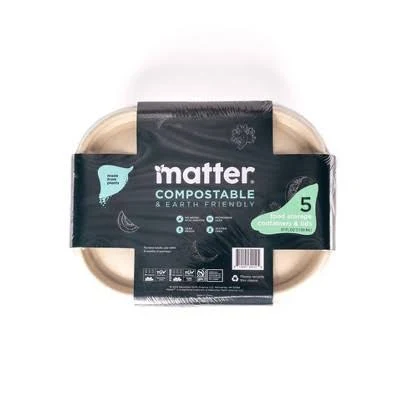
- Plant-based fiber pulp (compostable)
- A third party reports verifying it as PFAS-free
- Microbe/mold growth if stored damp
2 hazards checked on this product, all on its full breakdown.

Eco-Products
Eco Products WorldView Compostable Take-Out Containers EP-SCRC32
- Plant-based fiber (compostable sugarcane bagasse)
- A third party reports verifying it as PFAS-free
- Bleaching agents and processing residues
3 hazards checked on this product, all on its full breakdown.
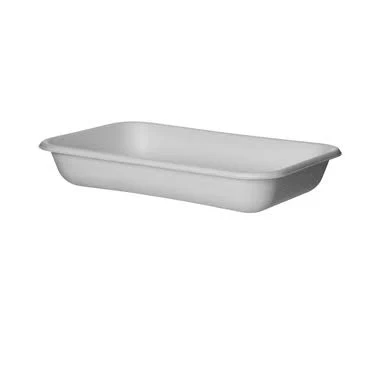
Eco-Products
WorldView Sugarcane Take-Out Containers
- Sugarcane bagasse (post-consumer fiber)
- A third party reports verifying it as PFAS-free
- Cellulose fiber degradation and food contact
2 hazards checked on this product, all on its full breakdown.
More food packaging grades
How we score, every product runs through the same public 0-100 rubric based on materials, coatings, brand disclosure, lab findings, and recalls. See the full methodology → Spotted a mistake? Report an error.