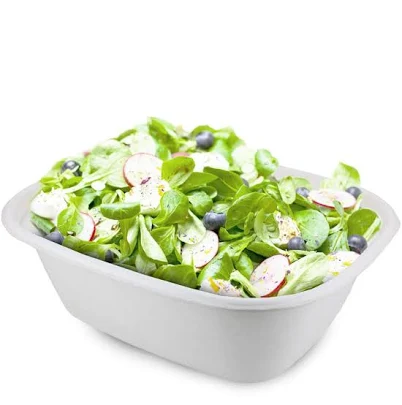
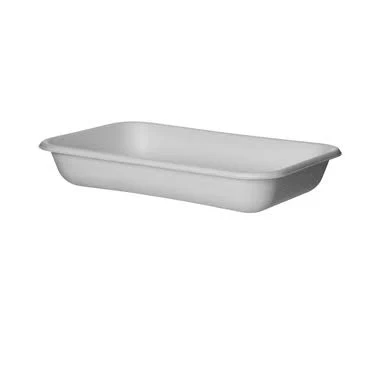
Compostable Takeout Container - Rectangular Grab 'n Go 64 oz. (200 / case)
Avoid until coating composition is disclosed; compostable containers often use PFAS treatments.
This bagasse-based container claims compostability without publicly disclosing grease-resistant coating details. Fiber-based food packaging commonly uses fluorinated PFAS for oil and moisture protection without manufacturer transparency.
The better-graded swap
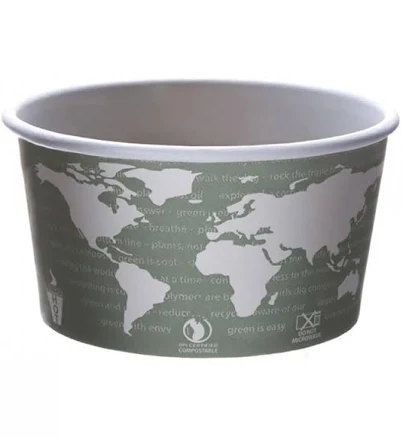
Eco-Products
Eco-Products 12 oz. World Art Compostable Food Containers 25-ct. pack
100/100 safety
Same rubric that flunked this product. The swap earned Excellent.
Still want this one anyway? Check the price on Amazon. We’d swap it.
Material
Fiber-based (likely sugarcane/bagasse) with unknown grease-resistant coating
Brand disclosure
Brand is silent on PFAS
Lab data
No public lab test
You may also be interested in
Top-graded picks in the categories readers replace first, every one scored on the same rubric.

- polypropylene filter housing, carbon/sediment cartridge
- We found no PFAS statement from the brand
- Bacterial growth in spent cartridges
3 hazards checked on this product, all on its full breakdown.

Aquasure
Premier Series 75 GPD Under Sink Reverse Osmosis Water Filtration System
- RO membrane, carbon filters, stainless steel housing
- We found no PFAS statement from the brand
- Bacterial and microbial growth in housing and filters
4 hazards checked on this product, all on its full breakdown.

Avocado
Vegan Mattress
- organic cotton, natural latex, coconut coir, recycled steel coils
- The brand calls it PFAS-free, which we have not verified
- Heavy metals
2 hazards checked on this product, all on its full breakdown.
What Compostable Takeout oz. (200 / case) is made of, ingredients and materials
This container is fiber-based, most likely sugarcane bagasse (a paper industry byproduct), which is inherently compostable and low-toxicity as a base material. The critical unknown is the grease-resistant coating applied to the interior. Fiber containers require waterproof treatments to prevent sogginess and grease breakthrough; these coatings are commonly fluorinated polymers (PFAS) or, less often, paraffin or bio-based waxes. The brand has not publicly disclosed the coating chemistry, which is the primary safety concern with this product.
What’s concerning
Category baseline
The starting point for this type of product, before anything specific to this product is counted.
No PFAS disclosure
No public statement from the brand about PFAS in this product.
Waterproof / stain-resistant treatment
Water-repellent coating treatments have historically used PFAS.
PFAS
Fiber takeout containers almost universally require fluorinated or fluorine-free water-repellent treatments. Without disclosed composition, PFAS presence cannot be ruled out and is common in this category. Contact with fatty foods increases leaching risk.
Source, ATSDR ↗Coating degradation and microparticle migration
Fiber containers degrade when wet or heated; coating breakdown can release microscopic coating particles into food. Risk is highest for hot, oily, or liquid-heavy foods. No specific testing data is available for this brand.
Mold or bacterial growth from moisture retention
If stored damp or reused, fiber's porous structure can harbor mold or bacteria. Risk is low if used single-use and stored dry, but high if washed and reused.
What’s reassuring
Contaminants from recycled fiber feedstock
Bagasse is a virgin agricultural byproduct, not recycled material, so ink, adhesive, or post-consumer contamination is minimal. No recalls or reports of heavy metals or pesticide residues in sugarcane bagasse containers exist.
BPA & bisphenols
Fiber-based containers do not contain polycarbonate, vinyl, or phthalate-prone plastics. Migration risk from these compounds is absent by material class.
Source, FDA ↗How is this PFAS grade calculated?
The brand's record and disclosure
The brand is a major fresh-produce distributor (lettuce, leafy greens) acquired by Apio Inc.; they do not maintain public safety or sustainability documentation specific to their packaging suppliers. No dedicated statement on PFAS avoidance or coating composition has been located in available sources. The company's silence on this standard packaging specification is consistent with many foodservice suppliers but represents a disclosure gap that elevates uncertainty around compostable container products.
How it compares in its category
Compostable takeout containers occupy a middle ground, they avoid dioxins and phthalates inherent in virgin plastic (#6 polystyrene foam), but introduce uncertainty around fluorinated greaseproofing coatings. Certified compostable containers (third-party verification from BPI or similar) are more likely to use PFAS-free coatings, but this product lacks that certification status. Uncoated fiber containers and recyclable plastic (#1 PET) alternatives have clearer coating profiles; conventional polystyrene foam has longer toxicological history but known PFAS exposure pathways.
If you buy it
Use only for dry foods, sandwiches, and items at or below room temperature. Avoid hot liquids, fatty foods (pizza, fried items, dressings), and prolonged storage. The fiber material itself will degrade and disintegrate if saturated; coating breakdown accelerates with heat and grease. Replace containers if you observe softening, discoloration, or grease seeping through the bottom. For composting, verify your local facility accepts fiber foodservice packaging; many do not.
What is not known about PFAS in this product?
- Basis
- Model estimate, 40% confidence, not a lab result
- Lab test
- None on record for this exact product
- Brand statement
- has made none
Formulations change between production runs, so check the current label. How we grade.
What are the PFAS-free alternatives to Compostable Takeout Container - Rectangular Grab 'n Go 64 oz. (200 / case)?
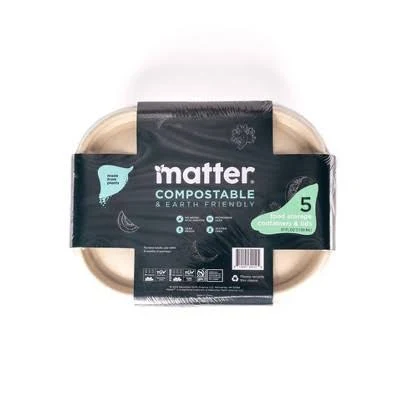
- Plant-based fiber pulp (compostable)
- A third party reports verifying it as PFAS-free
- Microbe/mold growth if stored damp
2 hazards checked on this product, all on its full breakdown.
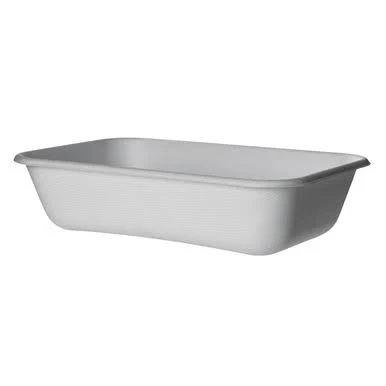
Eco-Products
Eco Products WorldView Compostable Take-Out Containers EP-SCRC32
- Plant-based fiber (compostable sugarcane bagasse)
- A third party reports verifying it as PFAS-free
- Bleaching agents and processing residues
3 hazards checked on this product, all on its full breakdown.
Eco-Products
WorldView Sugarcane Take-Out Containers
- Sugarcane bagasse (post-consumer fiber)
- A third party reports verifying it as PFAS-free
- Cellulose fiber degradation and food contact
2 hazards checked on this product, all on its full breakdown.
More food packaging grades
How we score, every product runs through the same public 0-100 rubric based on materials, coatings, brand disclosure, lab findings, and recalls. See the full methodology → Spotted a mistake? Report an error.