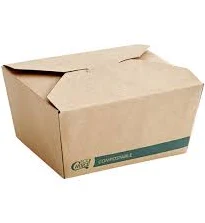
Compostable Takeout Containers
Avoid until coating chemistry is disclosed; compostable containers often use PFAS barriers.
Plant-fiber compostable containers lack public disclosure of their waterproof coating. Industry-standard compostable packaging frequently uses fluorinated barriers like Teflon-type coating or PFOA alternatives to achieve grease and moisture resistance without lab verification.
The better-graded swap
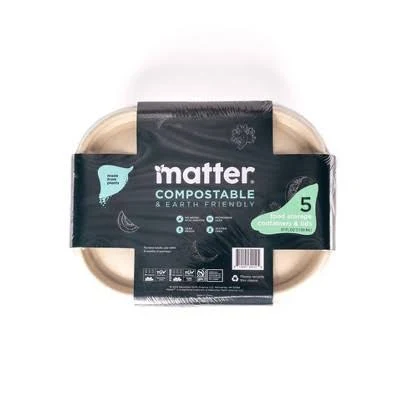
Matter
Matter Compostable Food Storage Container 5ct
100/100 safety
Same rubric that flunked this product. The swap earned Excellent.
Still want this one anyway? Check the price on Amazon. We’d swap it.
Material
Plant-based fiber/pulp with waterproof barrier coating (unspecified)
Brand disclosure
Brand is silent on PFAS
Lab data
No public lab test
You may also be interested in
Top-graded picks in the categories readers replace first, every one scored on the same rubric.

- polypropylene filter housing, carbon/sediment cartridge
- We found no PFAS statement from the brand
- Bacterial growth in spent cartridges
3 hazards checked on this product, all on its full breakdown.

Aquasure
Premier Series 75 GPD Under Sink Reverse Osmosis Water Filtration System
- RO membrane, carbon filters, stainless steel housing
- We found no PFAS statement from the brand
- Bacterial and microbial growth in housing and filters
4 hazards checked on this product, all on its full breakdown.

Avocado
Vegan Mattress
- organic cotton, natural latex, coconut coir, recycled steel coils
- The brand calls it PFAS-free, which we have not verified
- Heavy metals
2 hazards checked on this product, all on its full breakdown.
What Compostable Takeout Containers is made of, ingredients and materials
The brand's compostable containers are constructed from plant-based fiber or pulp (likely sugarcane bagasse, wheat straw, or wood pulp) rather than foam or plastic. The critical unknown is the waterproof barrier coating applied to make them grease- and moisture-resistant. Plant fiber alone is porous and unsuitable for wet or oily foods without a sealant. The coating chemistry is not publicly disclosed by the brand, which is a major transparency gap in an industry where PFAS-based coatings are common.
What’s concerning
Category baseline
The starting point for this type of product, before anything specific to this product is counted.
No PFAS disclosure
No public statement from the brand about PFAS in this product.
Waterproof / stain-resistant treatment
Water-repellent coating treatments have historically used PFAS.
PFAS
Fluorinated water-resistant coatings are standard in compostable takeout containers. The brand's silence on coating composition and the category's known PFAS prevalence suggest this product likely contains PFAS unless proven otherwise. Migration into fatty or acidic foods is possible, especially if stored warm or long-term.
Source, ATSDR ↗Other synthetic polymer or fluorinated additives in coating
Even if PFAS-free, undisclosed barrier coatings may contain other halogenated or synthetic compounds (e.g., polyurethanes, acrylates) that can leach under stress or heat. Without ingredient transparency, substitution risks cannot be ruled out.
Microplastic or particulate shedding from coating
If the barrier coating is polymer-based or synthetic, mechanical stress (cutting, folding, microwaving) or aging can cause the coating layer to flake or degrade into food. This risk is heightened for containers stored improperly or reused multiple times.
Incomplete industrial composability due to coating residue
Many compostable container coatings, especially fluorinated or synthetic barriers, fragment rather than fully biodegrade in standard industrial composting, leaving plastic-like particles in finished compost. This undermines the 'compostable' label's environmental value and may introduce microplastics into soil.
What’s reassuring
Bisphenol A or other phenolic compounds in adhesives or processing
No specific reports link containers to BPA or BPS, but plant-fiber processing and coating application may involve phenolic or epoxy-based adhesives. Without material safety data sheets, this cannot be confirmed as absent.
How is this PFAS grade calculated?
The brand's record and disclosure
The brand, a produce distributor, has not issued public statements about the specific chemistry of their compostable container coatings, including whether PFAS, other fluorinated compounds, or synthetic polymers are used. The company has not obtained third-party certifications (such as OK Compost Industrial or certification from the Biodegradable Products Institute) that would typically require disclosure of coating materials. This silence in a product category where PFAS use is documented represents a significant red flag for informed purchasing.
How it compares in its category
Many major compostable takeout container brands (including World Centric and some retailers' private labels) have begun disclosing PFAS-free coatings or shifting to alternative barrier systems. However, industry-wide adoption of PFAS alternatives remains incomplete, and smaller suppliers like the brand's foodservice division have not matched this transparency. Plant-based fiber containers without PFAS barriers exist but are less common; most compostable options still rely on undisclosed or fluorinated coatings.
If you buy it
Before use, contact directly to request written confirmation that the barrier coating is PFAS-free and specify which alternative sealant is used. Store containers in cool, dry conditions away from direct sunlight to minimize coating degradation. Do not use for foods heated above 70 degrees Celsius (158 degrees Fahrenheit) in the container itself, as heat can compromise the barrier and increase leaching risk. Compost only in industrial facilities that accept coated fiber; home composting may not break down the sealant layer completely.
What is not known about PFAS in this product?
- Basis
- Model estimate, 35% confidence, not a lab result
- Lab test
- None on record for this exact product
- Brand statement
- has made none
Formulations change between production runs, so check the current label. How we grade.
What are the PFAS-free alternatives to Compostable Takeout Containers?
- Plant-based fiber pulp (compostable)
- A third party reports verifying it as PFAS-free
- Microbe/mold growth if stored damp
2 hazards checked on this product, all on its full breakdown.
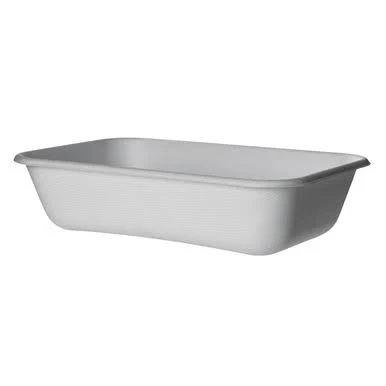
Eco-Products
Eco Products WorldView Compostable Take-Out Containers EP-SCRC32
- Plant-based fiber (compostable sugarcane bagasse)
- A third party reports verifying it as PFAS-free
- Bleaching agents and processing residues
3 hazards checked on this product, all on its full breakdown.
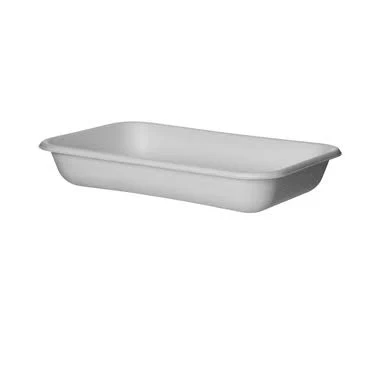
Eco-Products
WorldView Sugarcane Take-Out Containers
- Sugarcane bagasse (post-consumer fiber)
- A third party reports verifying it as PFAS-free
- Cellulose fiber degradation and food contact
2 hazards checked on this product, all on its full breakdown.
More food packaging grades
How we score, every product runs through the same public 0-100 rubric based on materials, coatings, brand disclosure, lab findings, and recalls. See the full methodology → Spotted a mistake? Report an error.