The North Face · Sleeping Bags
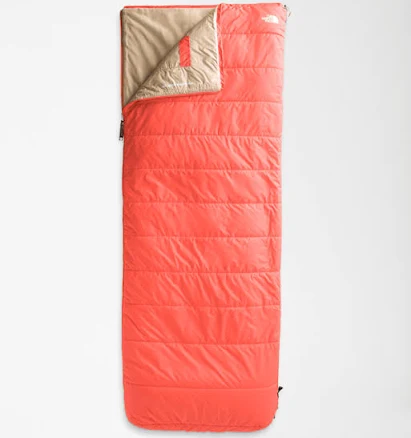
The North Face Wawona Bed Double Sleeping Bag
Skip or research The North Face's water-repellent coating chemistry; sleeping bags often use PFAS-based water treatments.
The Wawona's polyester shell uses a water-repellent coating finish typical of outdoor gear, which has historically relied on PFAS compounds. The North Face makes no public statement about PFAS use or avoidance, and independent lab data is unavailable.
Still want this one anyway? Check the price on Amazon. We’d swap it.
Material
polyester shell with water-repellent coating water-repellent finish
Lab data
No public lab test
You may also be interested in
Top-graded picks in the categories readers replace first, every one scored on the same rubric.

- polypropylene filter housing, carbon/sediment cartridge
- We found no PFAS statement from the brand
- Bacterial growth in spent cartridges
3 hazards checked on this product, all on its full breakdown.

Aquasure
Premier Series 75 GPD Under Sink Reverse Osmosis Water Filtration System
- RO membrane, carbon filters, stainless steel housing
- We found no PFAS statement from the brand
- Bacterial and microbial growth in housing and filters
4 hazards checked on this product, all on its full breakdown.

Avocado
Vegan Mattress
- organic cotton, natural latex, coconut coir, recycled steel coils
- The brand calls it PFAS-free, which we have not verified
- Heavy metals
2 hazards checked on this product, all on its full breakdown.
What The North Face Wawona Bed Sleeping Bag is made of, ingredients and materials
The Wawona uses a polyester shell fabric with a water-repellent coating (water-repellent coating) finish applied to the exterior. Polyester itself is stable and does not leach when used normally, but the water-repellent coating treatment is the concern, most sleeping bag manufacturers use either PFAS-based or fluorocarbon water repellents, though some have switched to water repellents not linked to PFAS. The North Face does not publicly specify which chemistry they use on this model, making it impossible to confirm safety without direct inquiry.
What’s concerning
Category baseline
The starting point for this type of product, before anything specific to this product is counted.
No PFAS disclosure
No public statement from the brand about PFAS in this product.
Waterproof / stain-resistant treatment
Water-repellent coating treatments have historically used PFAS.
PFAS
Polyester sleeping bags commonly use PFAS-based or fluorocarbon water-repellent coating treatments unless explicitly labeled otherwise. The North Face does not disclose water-repellent coating chemistry for this model, making PFAS presence probable but unconfirmed.
Source, ATSDR ↗Formaldehyde / VOCs
Polyester fabric coatings may include formaldehyde-based resins or antimicrobial treatments to improve durability and odor resistance. The Wawona carries no label or warning indicating presence, so exposure is likely minimal under normal use but cannot be ruled out.
Source, ATSDR ↗Heavy metals
Polyester textiles use synthetic dyes; restricted azo dyes (banned in EU) are still used in some non-EU production. The North Face holds bluesign certification for some lines, which excludes known hazardous dyes, but certification status of this specific model is not confirmed.
Source, FDA ↗Microfiber shedding on washing
Polyester sleeping bags shed microfibers when washed, though volumes are modest compared to fleece or synthetic insulation. Frequent washing increases microfiber release; hand-washing or minimal washing reduces shedding.
What’s reassuring
Lead
Polyester bags do not typically accumulate heavy metals. No recalls or testing alerts specific to the Wawona or North Face sleeping bags exist on public record for metal contamination.
Source, ATSDR ↗How is this PFAS grade calculated?
The brand's record and disclosure
The North Face has not published a clear PFAS elimination timeline or chemical inventory for their gear, unlike some competitors (e.g., Patagonia's commitment to phasing out PFAS-based water-repellent coating). The brand does hold certifications like bluesign for some product lines, which restricts certain hazardous chemicals during manufacturing, but this does not guarantee PFAS-free status. No recalls or public health complaints specific to this sleeping bag model are on record.
How it compares in its category
Mid-range sleeping bags from major brands (North Face, REI Co-op, Big Agnes) typically use polyester shells with fluorocarbon water-repellent coating treatments; premium alternatives like Patagonia and some REI models now advertise PFAS-free water-repellent coating options. The Wawona is competitively priced and well-reviewed for warmth and durability, but lags behind transparency leaders in environmental and chemical disclosure. If PFAS exposure is a priority, this model does not provide sufficient assurance compared to brands explicitly committing to alternatives.
If you buy it
Store in a cool, dry place away from direct heat or flame (polyester can melt). Wash by hand or gentle machine cycle with mild soap; avoid dry cleaning, which may use harsh solvents. Do not expose to sustained temperatures above 60 degrees Celsius (140 Fahrenheit). Before purchase, contact The North Face customer service to confirm whether the water-repellent coating finish is PFAS-free; if they cannot answer clearly, consider requesting a product specification sheet or researching alternatives with documented PFAS-free chemistry.
What is not known about PFAS in this product?
- Basis
- Model estimate, 42% confidence, not a lab result
- Lab test
- None on record for this exact product
- Brand statement
- The North Face has made a specific claim
Formulations change between production runs, so check the current label. How we grade.
What are the PFAS-free alternatives to The North Face Wawona Bed Double Sleeping Bag?
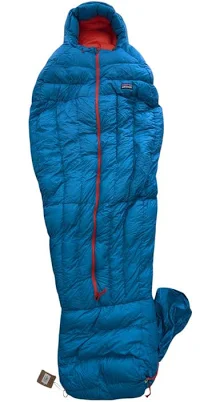
- Down fill + nylon or polyester shell with water-repellent coating treatment
- The brand calls it PFAS-free, which we have not verified
- PFAS
2 hazards checked on this product, all on its full breakdown.
Find an alternative on AmazonMore sleeping bags grades
How we score, every product runs through the same public 0-100 rubric based on materials, coatings, brand disclosure, lab findings, and recalls. See the full methodology → Spotted a mistake? Report an error.