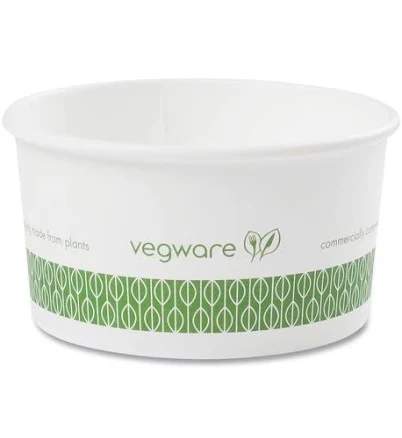
Vegware Soup Containers 6 oz 3.5" Diameter x 1.7"h Green/White Paper 1,000/
Moderate concern; molded fiber food containers often use fluorinated coatings, and Vegware doesn't disclose.
Soup containers use molded fiber but include grease-resistant barrier coatings, which commonly contain PFAS for oil repulsion. Vegware provides no public information about PFAS status or coating type.
The better-graded swap
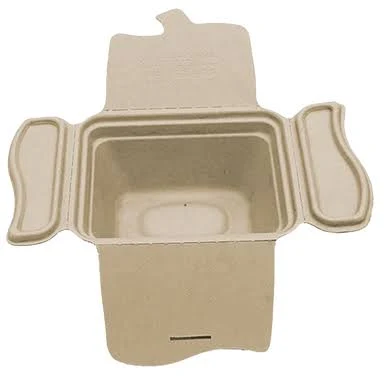
World Centric
World Centric Compostable Fiber Compost-A-Pak Containers
95/100 safety
Same rubric that flunked this product. The swap earned Excellent.
Still want this one anyway? Check the price on Amazon. We’d swap it.
Material
Molded fiber (paper pulp) with grease-resistant barrier coating
Brand disclosure
Brand is silent on PFAS
Lab data
No public lab test
You may also be interested in
Top-graded picks in the categories readers replace first, every one scored on the same rubric.

- polypropylene filter housing, carbon/sediment cartridge
- We found no PFAS statement from the brand
- Bacterial growth in spent cartridges
3 hazards checked on this product, all on its full breakdown.

Aquasure
Premier Series 75 GPD Under Sink Reverse Osmosis Water Filtration System
- RO membrane, carbon filters, stainless steel housing
- We found no PFAS statement from the brand
- Bacterial and microbial growth in housing and filters
4 hazards checked on this product, all on its full breakdown.

Avocado
Vegan Mattress
- organic cotton, natural latex, coconut coir, recycled steel coils
- The brand calls it PFAS-free, which we have not verified
- Heavy metals
2 hazards checked on this product, all on its full breakdown.
What Vegware Soup Containers 6 oz Paper 1,000/ is made of, ingredients and materials
Vegware soup containers are molded fiber, meaning pressed paper pulp formed into shape. The grease-resistant barrier coating is the critical unknown, molded fiber manufacturers typically apply fluorinated or silicone-based barriers to prevent oil and moisture from degrading the paper. Vegware does not publicly specify which barrier technology is used in this product. The paper substrate itself is low-risk, but the coating's composition directly determines whether PFAS or other synthetic chemicals transfer into food.
What’s concerning
Category baseline
The starting point for this type of product, before anything specific to this product is counted.
No PFAS disclosure
No public statement from the brand about PFAS in this product.
Waterproof / stain-resistant treatment
Water-repellent coating treatments have historically used PFAS.
PFAS
Molded fiber food containers commonly use fluorinated barrier coatings; Vegware does not disclose this formulation. Fluorinated coatings for grease resistance typically contain Teflon-type coating or related PFAS, but the specific coating used here is not publicly documented.
Source, ATSDR ↗Coating leaching into fatty foods
Any synthetic barrier coating can migrate into high-fat or acidic foods under heat or prolonged contact. Soup containers with oil or cream-based contents pose higher exposure risk than water-based soups. Without knowing the barrier type, migration rate cannot be quantified.
Microplastics
If the barrier is a synthetic polymer, mechanical wear or breakdown can release microparticles into food. Reusing containers or scrubbing interiors aggressively may accelerate this. Molded fiber itself does not generate microplastics; only the applied coating presents this risk.
Source, EPA ↗What’s reassuring
Formaldehyde / VOCs
No specific recalls or documentation of formaldehyde residues in Vegware molded fiber products. Formaldehyde is sometimes used in paper pulp cross-linking, but commercial molded fiber processes typically do not leave significant residues. This hazard is not on record for this product.
Source, ATSDR ↗Bacterial growth or mold in porous substrate
Molded fiber is porous but food-contact conditions (dry storage, single-use) do not typically create a growth environment. Risk only rises if containers are washed and reused without proper drying. This is a use practice issue, not an inherent product defect.
How is this PFAS grade calculated?
The brand's record and disclosure
Vegware markets sustainability and compostability but maintains opacity on chemical composition of barrier coatings across its product line. The brand does not provide certifications such as GenX-free declarations or third-party verification of coating chemistry. No major recalls or reported safety incidents are on record for Vegware molded fiber containers. However, the silence on PFAS/coating materials is notable given industry scrutiny of food-contact coatings since 2019.
How it compares in its category
Molded fiber soup containers occupy a middle ground, they avoid BPA and phthalates present in some plastics, but the grease-barrier coating introduces chemical uncertainty that rigid plastic or uncoated paper alternatives may sidestep. Most compostable molded fiber competitors (World Centric, Footprint, Pactiv Evergreen) similarly do not disclose barrier chemistry on retail listings. Vegware's environmental positioning does not translate to superior chemical transparency versus competitors in this niche.
If you buy it
Use these containers for cold or room-temperature foods primarily (soups under 140F have lower concern for barrier coating breakdown). Do not microwave or expose to high heat, as elevated temperatures can accelerate any coating leaching. Replace containers if interiors show visible wear, discoloration, or breakdown of the barrier layer. If purchasing in bulk for a business, request Material Safety Data Sheets or barrier-coating specifications directly from Vegware; they may provide more detail off-label than marketing materials reveal.
What is not known about PFAS in this product?
- Basis
- Model estimate, 45% confidence, not a lab result
- Lab test
- None on record for this exact product
- Brand statement
- Vegware has made none
Formulations change between production runs, so check the current label. How we grade.
What are the PFAS-free alternatives to Vegware Soup Containers 6 oz 3.5" Diameter x 1.7"h Green/White Paper 1,000/?
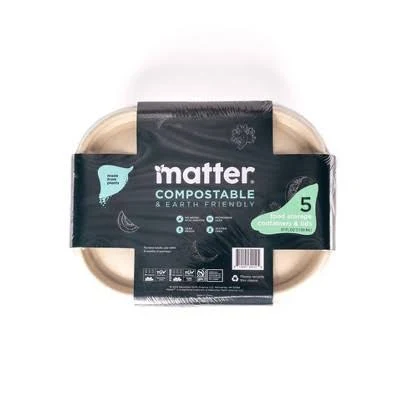
- Plant-based fiber pulp (compostable)
- A third party reports verifying it as PFAS-free
- Microbe/mold growth if stored damp
2 hazards checked on this product, all on its full breakdown.
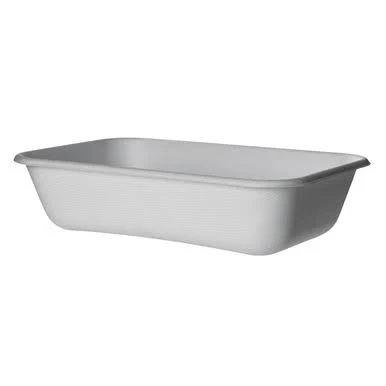
Eco-Products
Eco Products WorldView Compostable Take-Out Containers EP-SCRC32
- Plant-based fiber (compostable sugarcane bagasse)
- A third party reports verifying it as PFAS-free
- Bleaching agents and processing residues
3 hazards checked on this product, all on its full breakdown.
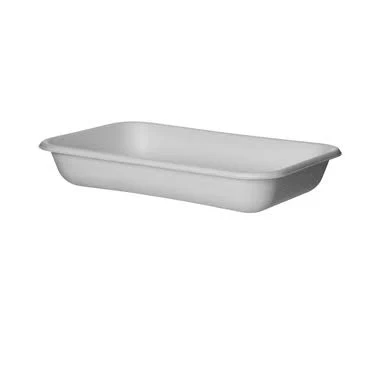
Eco-Products
WorldView Sugarcane Take-Out Containers
- Sugarcane bagasse (post-consumer fiber)
- A third party reports verifying it as PFAS-free
- Cellulose fiber degradation and food contact
2 hazards checked on this product, all on its full breakdown.
More food packaging grades
How we score, every product runs through the same public 0-100 rubric based on materials, coatings, brand disclosure, lab findings, and recalls. See the full methodology → Spotted a mistake? Report an error.