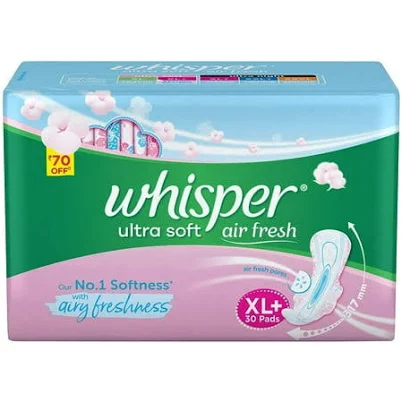
Whisper Ultra Soft Sanitary Pads for Women
Unknown waterproof coating composition; PFAS status unclear without brand testing data.
Whisper has not disclosed PFAS information or third-party testing for this product. The waterproof backing layer composition is unspecified, which is typical for period pads but raises uncertainty about potential PFAS use.
The better-graded swap
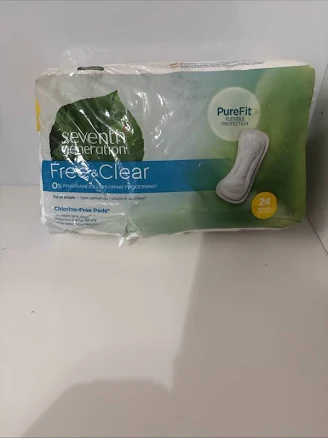
Seventh Generation
Seventh Generation Chlorine Free Maxi Pads
100/100 safety
Same rubric that flunked this product. The swap earned Excellent.
Still want this one anyway? Check the price on Amazon. We’d swap it.
Material
Cotton/cellulose absorbent core with unspecified waterproof backing layer
Brand disclosure
Brand is silent on PFAS
Lab data
No public lab test
What Whisper Ultra Soft Sanitary Pads for Women is made of, ingredients and materials
Whisper Ultra Soft uses a cotton/cellulose absorbent core, which is a standard, well-tolerated material for period absorption. The critical unknown is the waterproof backing layer, which Whisper does not publicly specify. Waterproof coatings on period products are frequently suspected to contain PFAS (fluorinated compounds) or other synthetic polymers, though this specific product has not been independently tested or disclosed by the brand. Without transparency, the safety profile of prolonged skin contact with the backing cannot be fully assessed.
What’s concerning
Waterproof / stain-resistant treatment
Water-repellent coating treatments have historically used PFAS.
Category baseline
The starting point for this type of product, before anything specific to this product is counted.
No PFAS disclosure
No public statement from the brand about PFAS in this product.
Waterproof backing composition (unspecified)
The backing layer is not disclosed. Period-pad backing coatings commonly use polyethylene, polypropylene, or PFAS-containing synthetic polymers; without testing or brand confirmation, PFAS presence cannot be ruled out. Prolonged skin contact over years of menstruation represents cumulative exposure to an unknown chemical.
Absorbent core degradation and microfiber shedding
Repeated flexing, friction, and moisture cycling can cause cellulose fibers to break down; shedding into the vaginal environment is theoretically possible, especially if the core coating is compromised. No reported incidents with Whisper, but this is a recognized risk in all absorbent period products.
Allergens and irritants in adhesive/fragrance
Whisper Ultra Soft does not list fragrance or adhesive composition. Fragrance and pressure-sensitive adhesives are common irritants in period pads and have been associated with vulvovaginal dermatitis in some users. Anecdotal reports exist for Whisper pads but no formal link has been established.
Mold and bacterial growth in absorbent core
If the waterproof backing traps moisture effectively but prevents adequate drying between pads, the cellulose core can support mold or bacterial colonies. Risk is mitigated by frequent changes, but unknown backing permeability makes this assessment uncertain.
What’s reassuring
Dioxins and bleaching residues in cellulose
Chlorine-bleached cellulose pulp used in absorbent cores can theoretically contain trace dioxins; Whisper has not published testing. Industry-wide compliance with dioxin limits is assumed but not verified for this product. No adverse reports link Whisper pads to dioxin exposure.
The full breakdown
The brand's record and disclosure
Whisper, owned by Procter & Gamble, does not publicly disclose material composition beyond vague claims of 'softness' and 'absorbency.' The brand has not published test results, certifications (e.g., GOTS, OEKO-TEX), or statements on PFAS avoidance or use. No major recalls or toxicity incidents are on record for this product line, but the silence on waterproof coating chemistry is a transparency gap typical of mainstream period-care manufacturers and represents a lost opportunity for consumer confidence.
How it compares in its category
Most mainstream pads (Kotex, Always, Tampax) share the same opacity about backing materials; Whisper is neither notably better nor worse in disclosure. Certified organic or 'clean' alternatives (Cora, Lola, Aunt Flow) typically publish full ingredient lists and often avoid synthetic waterproof layers entirely, using organic cotton or plant-based barriers instead. Whisper Ultra Soft occupies the mass-market middle, prioritizing absorbency and cost over material transparency, making it riskier for consumers who prioritize chemical avoidance.
If you buy it
Change pads every 4-8 hours to minimize prolonged skin contact with the waterproof backing and reduce any risk from unknown coating compounds. Store in a cool, dry place away from heat and direct sunlight, as degradation of synthetic coatings could accelerate leaching. Monitor for unusual skin irritation, rash, or odor, which could signal either coating breakdown or mold growth in the absorbent core if moisture is trapped. Consider requesting material disclosure from Whisper via their consumer hotline; consumer demand is the primary lever for transparency in this industry.
What we don’t know
- Basis
- Model estimate, 45% confidence, not a lab result
- Lab test
- None on record for this exact product
- Brand statement
- Whisper has made none
Formulations change between production runs, so check the current label. How we grade.
Better-graded alternatives in Period Pads
Seventh Generation
Chlorine Free Maxi Pads
- organic cotton, wood pulp
- The brand calls it PFAS-free, which we have not verified
- Fragrance allergen content
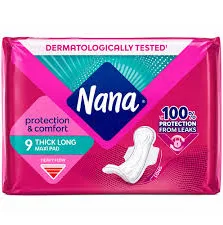
Nana
Maxi Thick
- cellulose, cotton blend, absorbent core
- We found no PFAS statement from the brand
- Bleach residues and processing chemicals in cellulose
3 hazards checked on this product. See all of them.
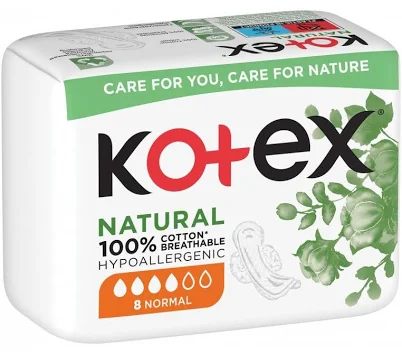
Kotex Natural
10pack Kotex Natural Normal Sanitary Pads
- Cotton, wood pulp absorbent core, plastic backing
- We found no PFAS statement from the brand
- Pesticide residue
2 hazards checked on this product. See all of them.
More period pads grades
How we score, every product runs through the same public 0-100 rubric based on materials, coatings, brand disclosure, lab findings, and recalls. See the full methodology → Spotted a mistake? Report an error.