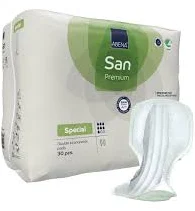
Abri-Form · Incontinence Pads & Protection
Abena Abri-Let Fluff Pads
Typical incontinence pad, waterproofing method unverified by brand.
Abena's fluff pads use standard cellulose and pulp materials typical in incontinence care. The brand does not reveal what waterproofing agent is applied to the barrier layer.
The better-graded swap
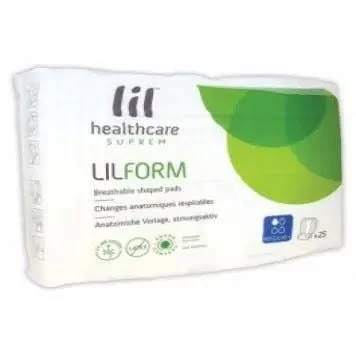
Lille
Suprem Form Regular Plus 1570ml 4 Packs Per Carton
70/100 safety
Same rubric that flunked this product. The swap earned Good.
Still want this one anyway? Check the price on Amazon. We’d swap it.
Material
fluff pulp, cellulose, water-absorbent core with unspecified wetness barrier
Brand disclosure
Brand is silent on PFAS
Lab data
No public lab test
What Abena Abri-Let Fluff Pads is made of, ingredients and materials
Abri-Let pads use fluff pulp (wood cellulose) as the primary absorbent core, which is a chemically simple, widely used material in incontinence and menstrual products. The cellulose is bleached during processing, typically with chlorine dioxide rather than chlorine, reducing dioxin residue risk compared to older methods. The barrier layer composition is not publicly specified by Abena, which means the waterproofing mechanism and any polymers involved cannot be independently verified for chemical safety.
What’s concerning
Category baseline
The starting point for this type of product, before anything specific to this product is counted.
No PFAS disclosure
No public statement from the brand about PFAS in this product.
Waterproof / stain-resistant treatment
Water-repellent coating treatments have historically used PFAS.
Barrier layer coating toxicity (unspecified polymer)
Abena does not disclose the waterproofing barrier material (likely polyethylene or polypropylene film, possibly with adhesive or silicone). Without disclosure, presence of plasticizers, adhesive VOCs, or other additives cannot be ruled out, though commercial incontinence pads typically use low-toxicity polymers and are applied without heat.
Skin irritation from adhesives or fragrances
Abri-Let pads may contain adhesive strips and are available in scented variants; adhesives and synthetic fragrances can trigger contact dermatitis or allergic reactions in sensitive individuals. The extent of fragrance or adhesive use in this specific product line is not publicly detailed, making individual sensitivity testing necessary.
Bacterial or fungal growth from prolonged moisture
Incontinence pads by design remain in contact with skin and urine for extended periods; this creates a warm, moist environment where skin flora can proliferate. This is a product-use hazard rather than a manufacturing defect, manageable through frequent pad changes and skin hygiene.
What’s reassuring
Dioxins from chlorine bleaching of pulp
Fluff pulp is bleached during manufacturing; modern ECF (elemental chlorine-free) and TCF (totally chlorine-free) processes have reduced dioxin residues to trace levels in finished pads. No dioxin contamination has been reported in Abri-Let or comparable commercial incontinence pads, and finished product exposure is minimal even if trace amounts remain.
Formaldehyde / VOCs
Some incontinence pads use formaldehyde-releasing resins to improve wet-strength in the cellulose core. No formaldehyde-based strengthening agents are publicly reported in Abri-Let pads, and the product does not carry warnings suggesting their presence, but Abena's lack of ingredient transparency leaves this unconfirmed.
Source, ATSDR ↗The full breakdown
The brand's record and disclosure
Abena (SCA subsidiary) does not publicly disclose chemical composition, test results, or certification against restricted substances for this product line. No major recalls or chemical safety controversies are on record for Abri-Let pads specifically. The brand's silence on PFAS and other flame retardants or coatings is typical of the incontinence pad industry but represents a missed opportunity for transparency that competitors like Seventh Generation have begun to address.
How it compares in its category
Abri-Let pads are mid-market in the incontinence category; they are less expensive and less transparent than premium eco-certified alternatives (Pampers Swaddlers, Naty) but comparable in material simplicity to store brands. Most incontinence pads globally rely on similar fluff pulp and plastic barrier systems, making this product representative rather than exceptional in chemical risk profile. Certified organic or GOTS-certified period pads (like Cora, Aunt Flow) offer higher material transparency, though Abri-Let is not marketed as a menstrual product.
If you buy it
Store pads in a cool, dry place away from direct sunlight to preserve the cellulose and barrier layer; exposure to high heat is not typical for these products but avoid leaving them in hot vehicles. Replace pads immediately after use rather than leaving them worn for extended periods, as moisture and skin contact can promote bacterial growth on the pad surface itself. If you experience skin irritation, discontinue use and test another brand, as sensitivity is often individual rather than product-wide. Monitor for any visible degradation (crumbling, loss of absorbency) and discard if the barrier layer separates or leaks.
What we don’t know
- Basis
- Model estimate, 55% confidence, not a lab result
- Lab test
- None on record for this exact product
- Brand statement
- Abri-Form has made none
Formulations change between production runs, so check the current label. How we grade.
Better-graded alternatives in Incontinence Pads & Protection
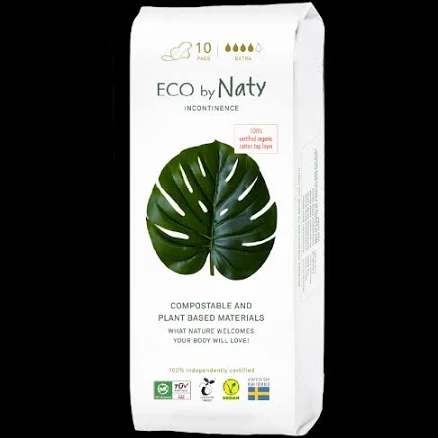
Eco By Naty
Incontinence Pads
- Bamboo-derived viscose, cotton, plant-based absorbent core
- We found no PFAS statement from the brand
- Heavy metals
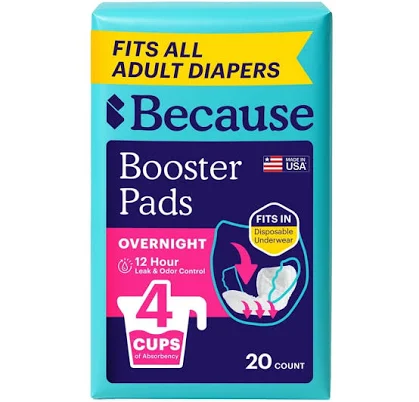
Because Market
Because Booster Pads
- Cellulose, superabsorbent polymer, cotton blend
- We found no PFAS statement from the brand
- Absorbent material degradation and bacterial growth
2 hazards checked on this product. See all of them.
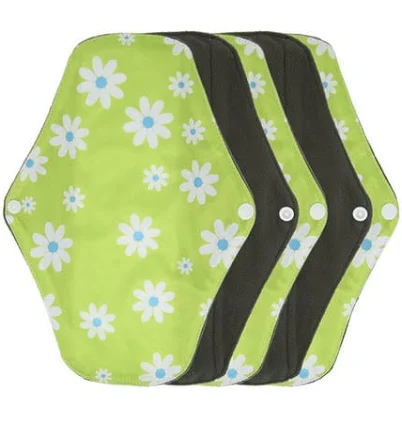
5pcs Bamboo Charcoal Washable Incontinence Pads
- bamboo charcoal textile, washable cotton-blend absorbent layer
- We found no PFAS statement from the brand
- Azo dyes and synthetic colorants
4 hazards checked on this product. See all of them.
More incontinence pads & protection grades
How we score, every product runs through the same public 0-100 rubric based on materials, coatings, brand disclosure, lab findings, and recalls. See the full methodology → Spotted a mistake? Report an error.