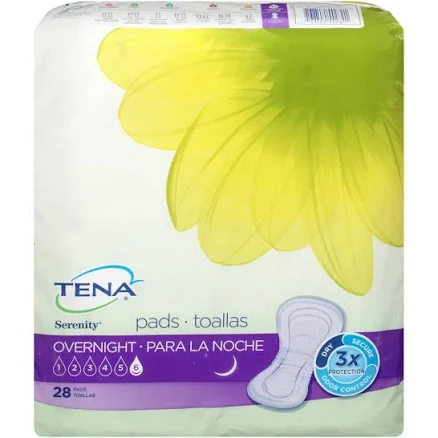
Tena · Incontinence Pads & Protection
TENA Serenity Overnight Ultimate Pads
Medium-high risk; Tena's moisture-barrier backsheet warrants caution, brand transparency needed.
Overnight pads require water-resistant coatings, but Tena does not disclose PFAS use or avoidance. The polyethylene backsheet may contain water-repellent coating treatments common in incontinence products.
The better-graded swap
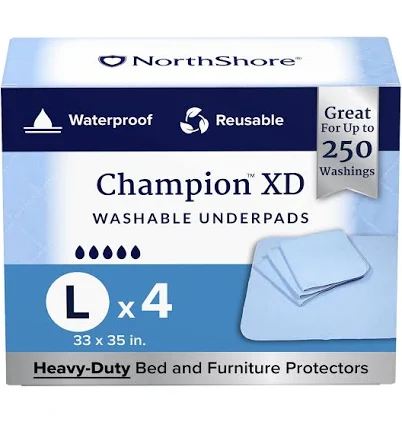
Northshore
NorthShore Champion XD Washable
70/100 safety
Same rubric that flunked this product. The swap earned Good.
Still want this one anyway? Check the price on Amazon. We’d swap it.
Material
Cellulose, SAP (superabsorbent polymer), polyethylene backsheet with moisture barrier
Brand disclosure
Brand is silent on PFAS
Lab data
No public lab test
You may also be interested in
Top-graded picks in the categories readers replace first, every one scored on the same rubric.

- polypropylene filter housing, carbon/sediment cartridge
- We found no PFAS statement from the brand
- Bacterial growth in spent cartridges
3 hazards checked on this product, all on its full breakdown.

Aquasure
Premier Series 75 GPD Under Sink Reverse Osmosis Water Filtration System
- RO membrane, carbon filters, stainless steel housing
- We found no PFAS statement from the brand
- Bacterial and microbial growth in housing and filters
4 hazards checked on this product, all on its full breakdown.

Avocado
Vegan Mattress
- organic cotton, natural latex, coconut coir, recycled steel coils
- The brand calls it PFAS-free, which we have not verified
- Heavy metals
2 hazards checked on this product, all on its full breakdown.
What TENA Serenity Overnight Ultimate Pads is made of, ingredients and materials
TENA Serenity Overnight uses cellulose fluff pulp as the absorbent core, combined with superabsorbent polymer (SAP, typically sodium polyacrylate) to lock in moisture and reduce leakage during sleep. The polyethylene backsheet with moisture barrier is the component of concern, many incontinence pad manufacturers use fluorinated compounds (PFAS) to achieve water and oil repellency in backsheets, though this is not universally disclosed. Cellulose and SAP themselves are low-toxicity materials with established safety records in intimate-contact applications.
What’s concerning
Category baseline
The starting point for this type of product, before anything specific to this product is counted.
No PFAS disclosure
No public statement from the brand about PFAS in this product.
Waterproof / stain-resistant treatment
Water-repellent coating treatments have historically used PFAS.
PFAS
Polyethylene backsheet with moisture-barrier coating typical of incontinence pads frequently relies on fluorinated compounds for water and oil repellency. Tena's lack of public disclosure or PFAS-free claims suggests fluorochemical presence is plausible; no test data available to confirm or rule out.
Source, ATSDR ↗Skin irritation from adhesives or residual chemicals
Overnight pads worn against skin for extended periods can trigger contact dermatitis if adhesive components or uncleaned polymer residues are present. Cellulose and SAP are well-tolerated, but adhesive formulations and any coatings warrant attention for sensitive individuals.
Bacterial or fungal growth if pad left in place too long
Incontinence pads left unchanged for extended periods can promote skin maceration and microbial overgrowth. This is a use-practice hazard rather than a product defect, but overnight wear (8+ hours) increases risk if saturation threshold is exceeded.
What’s reassuring
Microplastic shedding from degraded cellulose or polymer components
No published evidence of microplastic release from Tena pads or similar cellulose-SAP incontinence products under normal use or storage conditions. Risk is theoretical and not documented for this material class.
Heavy metals
Superabsorbent polymers used in incontinence products are regulated and tested for heavy metal contamination. No recalls or safety warnings specific to Tena or similar brands document metal leaching from SAP or cellulose components.
Source, FDA ↗How is this PFAS grade calculated?
The brand's record and disclosure
Tena, owned by SCA/Essity (a Swedish hygiene company), has not publicly committed to PFAS phase-out or disclosed the specific fluorochemical status of its backsheet moisture barriers. The brand maintains general product safety certifications and FDA compliance for medical devices in relevant markets, but transparency on PFAS presence or absence remains absent from publicly available materials. No major recalls or safety controversies tied to chemical leaching have been documented for this product line, though the silence on fluorochemical use is a red flag for cautious consumers.
How it compares in its category
Overnight incontinence pads are a mature category with similar construction across major brands (Tena, Depends, Aisle, Always Discreet). Most use polyethylene or polypropylene backsheets; the question of PFAS in backsheet coatings is industry-wide and largely unaddressed by manufacturers. Smaller or eco-focused alternatives (e.g., Aisle) have begun to offer PFAS-free claims, making them higher-transparency options, though availability and cost may be limiting. Tena's formula is effective but not differentiated in safety terms from mainstream competitors.
If you buy it
Store pads in a cool, dry place away from direct heat or sunlight to minimize any potential leaching from the backsheet. Change pads as directed (typically every 2-4 hours overnight, or when saturated) to prevent skin irritation and bacterial growth in the absorbent material. If you experience skin redness, itching, or rash, discontinue use and consult a healthcare provider; this may indicate sensitivity to adhesives, fragrance (if product contains it), or residual chemicals. Consider contacting Tena directly to request documentation of PFAS testing or non-use if this hazard is a personal concern.
What is not known about PFAS in this product?
- Basis
- Model estimate, 55% confidence, not a lab result
- Lab test
- None on record for this exact product
- Brand statement
- Tena has made none
Formulations change between production runs, so check the current label. How we grade.
What are the PFAS-free alternatives to TENA Serenity Overnight Ultimate Pads?
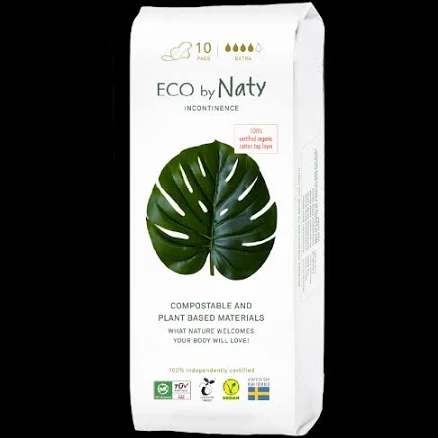
- Bamboo-derived viscose, cotton, plant-based absorbent core
- We found no PFAS statement from the brand
- Heavy metals
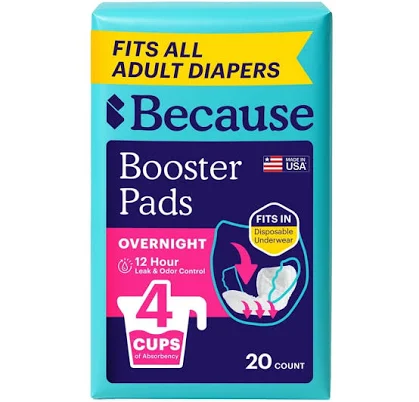
- Cellulose, superabsorbent polymer, cotton blend
- We found no PFAS statement from the brand
- Absorbent material degradation and bacterial growth
2 hazards checked on this product, all on its full breakdown.
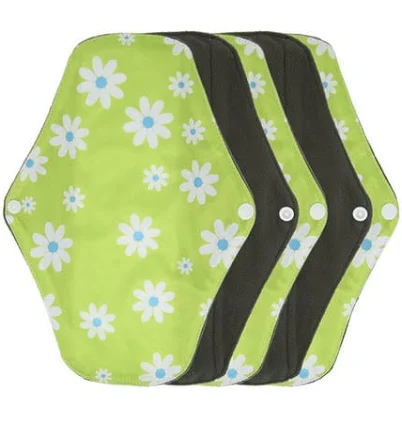
5pcs Bamboo Charcoal Washable Incontinence Pads
- bamboo charcoal textile, washable cotton-blend absorbent layer
- We found no PFAS statement from the brand
- Azo dyes and synthetic colorants
4 hazards checked on this product, all on its full breakdown.
More incontinence pads & protection grades
How we score, every product runs through the same public 0-100 rubric based on materials, coatings, brand disclosure, lab findings, and recalls. See the full methodology → Spotted a mistake? Report an error.