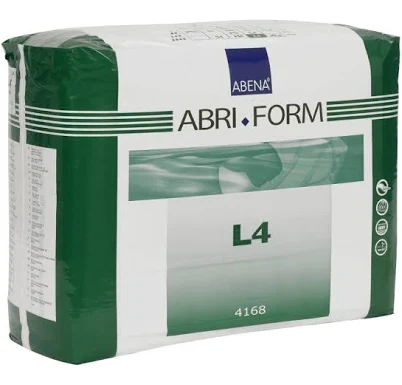
Abri-Form · Incontinence Pads & Protection
Abena Abri-Form Comfort Plastic-Backed Briefs
Plastic-backed incontinence briefs; waterproof coating unspecified, PFAS risk unclear.
Abena won't disclose PFAS status or what coats these plastic-backed briefs. Plastic backing in this category often uses water-resistant treatments that may contain PFAS.
The better-graded swap
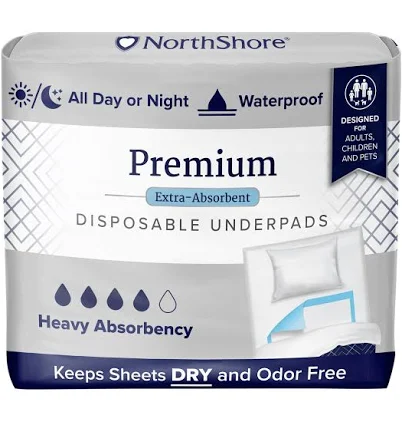
Northshore
NorthShore Premium 36
70/100 safety
Same rubric that flunked this product. The swap earned Good.
Still want this one anyway? Check the price on Amazon. We’d swap it.
Material
plastic backing with moisture/wetness barrier
Brand disclosure
Brand is silent on PFAS
Lab data
No public lab test
What Abena Abri-Form Comfort Plastic-Backed is made of, ingredients and materials
Abena Abri-Form Comfort briefs use a plastic film backing to provide moisture protection, paired with absorbent cellulose-based core materials. The plastic layer is typically a polyethylene or polypropylene composite, chosen for waterproofing and durability during wear and laundering. The adhesive or coating that bonds this plastic backing to the fabric layers is not publicly disclosed by Abena, which is the primary concern since waterproof coatings in this category sometimes rely on PFAS-containing treatments to achieve their liquid-repellent properties.
What’s concerning
No PFAS disclosure
No public statement from the brand about PFAS in this product.
Category baseline
The starting point for this type of product, before anything specific to this product is counted.
Waterproof / stain-resistant treatment
Water-repellent coating treatments have historically used PFAS.
PFAS
Plastic-backed incontinence briefs commonly use fluorinated coatings to achieve water repellency; Abena has not disclosed whether Abri-Form uses PFAS-free alternatives. This is graded separately per your request but represents the primary chemical concern for this product class.
Source, ATSDR ↗Adhesive or binding chemical leachates
The adhesives that bind the plastic backing to absorbent layers are not disclosed. Volatile organic compounds (VOCs) or non-volatile residues from these adhesives could theoretically migrate during prolonged skin contact, though incidence is undocumented for this brand.
Plastic breakdown and microparticle release
Long-term use and repeated washing can degrade the plastic backing, potentially releasing small plastic particles. While swallowing is not a route in incontinence briefs, inhalation during handling or skin exposure to degraded plastic fragments is theoretically possible but not reported as a clinical issue.
What’s reassuring
Fragrance or skin sensitizers in absorbent core
Abri-Form Comfort does not advertise added fragrance or aloe treatments, and no documented sensitization complaints are on record. However, ingredient transparency for the absorbent layer is not publicly available.
Skin irritation from moisture retention or friction
This is a use-related rather than chemical hazard; proper fit, frequent changes, and skin drying reduce maceration risk. No specific design flaw has been reported for Abri-Form briefs in this regard.
The full breakdown
The brand's record and disclosure
Abena is a Danish manufacturer with a reputation for clinical-grade incontinence products, but the company has not published detailed material disclosures, chemical certifications, or commitments regarding PFAS avoidance for this product line. No major recalls or documented safety controversies specific to Abri-Form briefs appear in public safety databases. The lack of transparency on waterproof coating chemistry is notable, especially compared to some competitors who have begun publishing PFAS-free claims or third-party certifications.
How it compares in its category
Plastic-backed incontinence briefs are standard in the adult care market; Abri-Form sits in the mid-to-premium segment by quality and cost. Many competitors in this price range (Tena, Depend, Molicare) similarly do not publicly disclose PFAS content in their plastic backings, making Abri-Form typical rather than exceptional on transparency. Some smaller brands and European products have begun offering unbleached or certified chemical-reduced options, though these remain niche.
If you buy it
Store in a cool, dry place away from direct heat or sunlight to avoid accelerating plastic degradation. Replace briefs every 3-5 years or sooner if the plastic backing becomes sticky, cracked, or odorous, as this may indicate chemical leaching. Wash hands after handling and before eating or touching face, as a standard precaution with any absorbent hygiene product. If skin irritation or unusual odors develop, discontinue use and consult a healthcare provider, as this may signal a reaction to additives in the backing or adhesive.
What we don’t know
- Basis
- Model estimate, 45% confidence, not a lab result
- Lab test
- None on record for this exact product
- Brand statement
- Abri-Form has made none
Formulations change between production runs, so check the current label. How we grade.
Better-graded alternatives in Incontinence Pads & Protection
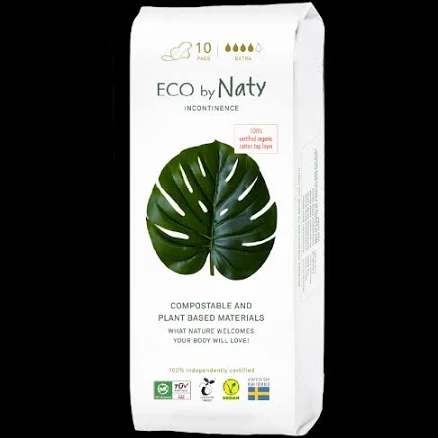
Eco By Naty
Incontinence Pads
- Bamboo-derived viscose, cotton, plant-based absorbent core
- We found no PFAS statement from the brand
- Heavy metals
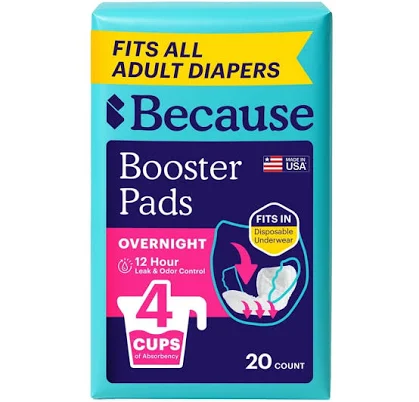
Because Market
Because Booster Pads
- Cellulose, superabsorbent polymer, cotton blend
- We found no PFAS statement from the brand
- Absorbent material degradation and bacterial growth
2 hazards checked on this product. See all of them.
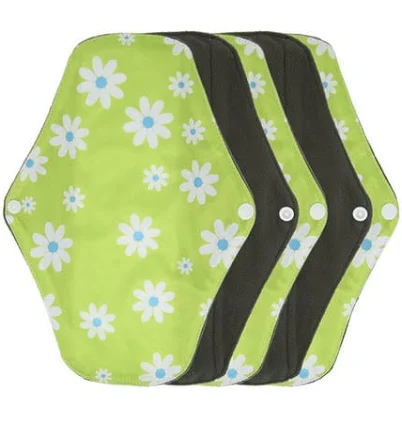
5pcs Bamboo Charcoal Washable Incontinence Pads
- bamboo charcoal textile, washable cotton-blend absorbent layer
- We found no PFAS statement from the brand
- Azo dyes and synthetic colorants
4 hazards checked on this product. See all of them.
More incontinence pads & protection grades
How we score, every product runs through the same public 0-100 rubric based on materials, coatings, brand disclosure, lab findings, and recalls. See the full methodology → Spotted a mistake? Report an error.