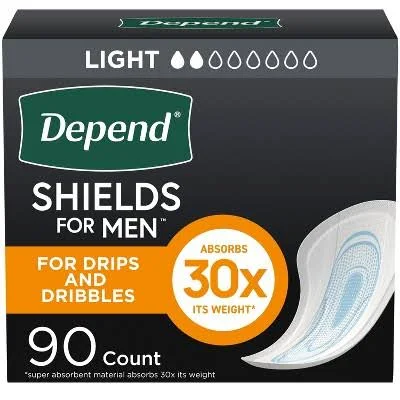
Depend · Incontinence Pads & Protection
Depend Shields Incontinence Pads for Men
Medium-high risk; waterproof incontinence pads carry moderate PFAS concern without brand disclosure.
These pads use a waterproof polyethylene or polymer backing typical of absorbent incontinence products. Waterproof treatments may contain PFAS, though modern formulations increasingly avoid it.
The better-graded swap
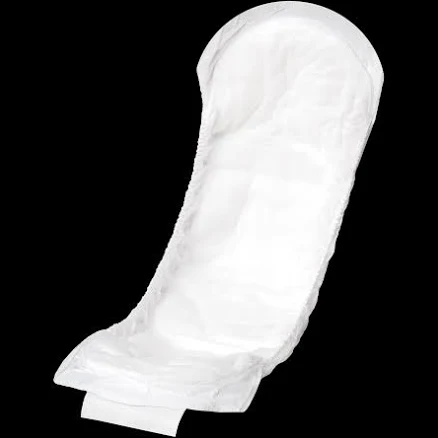
Tranquility
Tranquility Personal Care Pads
70/100 safety
Same rubric that flunked this product. The swap earned Good.
Still want this one anyway? Check the price on Amazon. We’d swap it.
Material
Absorbent core (wood pulp, SAP), non-woven layers, polyethylene backing/waterproof barrier
Brand disclosure
Brand is silent on PFAS
Lab data
No public lab test
You may also be interested in
Top-graded picks in the categories readers replace first, every one scored on the same rubric.

- polypropylene filter housing, carbon/sediment cartridge
- We found no PFAS statement from the brand
- Bacterial growth in spent cartridges
3 hazards checked on this product, all on its full breakdown.

Aquasure
Premier Series 75 GPD Under Sink Reverse Osmosis Water Filtration System
- RO membrane, carbon filters, stainless steel housing
- We found no PFAS statement from the brand
- Bacterial and microbial growth in housing and filters
4 hazards checked on this product, all on its full breakdown.

Avocado
Vegan Mattress
- organic cotton, natural latex, coconut coir, recycled steel coils
- The brand calls it PFAS-free, which we have not verified
- Heavy metals
2 hazards checked on this product, all on its full breakdown.
What Depend Shields Incontinence Pads for Men is made of, ingredients and materials
Depend Shields use a layered construction, a wood pulp and superabsorbent polymer (SAP) core for fluid absorption, non-woven synthetic layers for distribution and comfort, and a polyethylene-based waterproof backing. The polyethylene barrier is standard across incontinence pads and may contain PFAS compounds as water and oil repellents, though formulation details are not public. The wood pulp and SAP materials themselves are chemically inert once dried but can degrade or shed microfibers under repeated stress or extended moisture exposure.
What’s concerning
Category baseline
The starting point for this type of product, before anything specific to this product is counted.
No PFAS disclosure
No public statement from the brand about PFAS in this product.
Waterproof / stain-resistant treatment
Water-repellent coating treatments have historically used PFAS.
PFAS
Polyethylene waterproof barriers in incontinence pads commonly contain fluorinated compounds for water repellency. Depend has not disclosed PFAS content or alternatives, and direct skin contact increases potential for migration, though incidence and levels are not independently verified.
Source, ATSDR ↗Superabsorbent polymer (SAP) integrity and microfiber shedding
Over time, SAP particles and synthetic fibers can degrade or shed, especially if the pad is torn, over-saturated, or stored in humid conditions. Direct skin contact with loose microparticles is unlikely to cause acute harm but repeated exposure warrants monitoring.
Bacterial and fungal growth in absorbent core
Any absorbent incontinence pad can harbor moisture and become a medium for microbial proliferation if not changed regularly. No specific recalls for Depend Shields exist, but this is a known risk across the product category if hygiene protocols are not followed.
Skin irritation and sensitization from non-woven layers or residual manufacturing chemical
Non-woven synthetics may contain trace residues of processing agents or finishes. Allergic contact dermatitis is uncommon with major brands but can occur in sensitive individuals; no widespread incidents are documented for Depend Shields specifically.
Adhesive and fragrance allergens (if present in adhesive strip)
If the product uses adhesive strips or added fragrance for odor control, these can trigger sensitization in people with fragrance or rubber latex allergies. Depend does not clearly disclose adhesive composition or all fragrance constituents.
How is this PFAS grade calculated?
The brand's record and disclosure
Depend (Kimberly-Clark) has not published detailed ingredient disclosures or PFAS statements for this product line. The company maintains general sustainability commitments but does not disclose whether PFAS-free waterproof alternatives are in use or under development for incontinence products. No recalls or regulatory warnings specific to Depend Shields for chemical contamination are on public record. This silence on PFAS in a product category where waterproof barriers are essential creates a gap in consumer transparency.
How it compares in its category
Most incontinence pads rely on polyethylene or polypropylene waterproof backing, making Depend Shields structurally typical. Competitors (Tena, Always Discreet, store brands) use similar layered designs and face the same PFAS uncertainty. Some manufacturers have begun exploring PFAS-free barrier technologies, but market-wide adoption remains limited. Depend Shields hold no documented advantage or disadvantage in chemical composition versus peers; the category as a whole carries the same PFAS concern.
If you buy it
Change pads regularly to prevent prolonged skin contact and reduce bacterial growth risk in the absorbent core. Store in a cool, dry place to minimize SAP degradation and microfiber shedding. Inspect pads before use for tears or delamination of layers, which can release internal materials. If skin irritation, rash, or allergic reaction develops, discontinue use and consult a healthcare provider; discontinue if odor or discoloration suggests microbial contamination.
What is not known about PFAS in this product?
- Basis
- Model estimate, 55% confidence, not a lab result
- Lab test
- None on record for this exact product
- Brand statement
- Depend has made none
Formulations change between production runs, so check the current label. How we grade.
What are the PFAS-free alternatives to Depend Shields Incontinence Pads for Men?
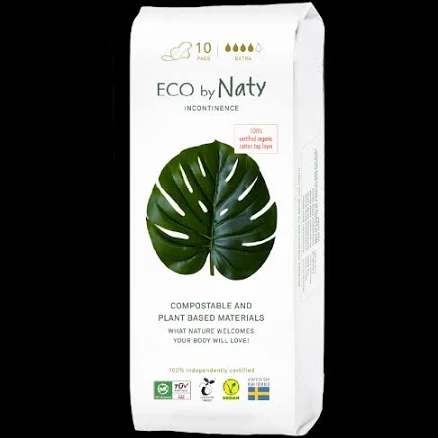
- Bamboo-derived viscose, cotton, plant-based absorbent core
- We found no PFAS statement from the brand
- Heavy metals
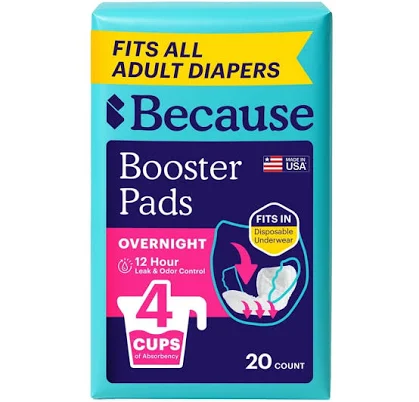
- Cellulose, superabsorbent polymer, cotton blend
- We found no PFAS statement from the brand
- Absorbent material degradation and bacterial growth
2 hazards checked on this product, all on its full breakdown.
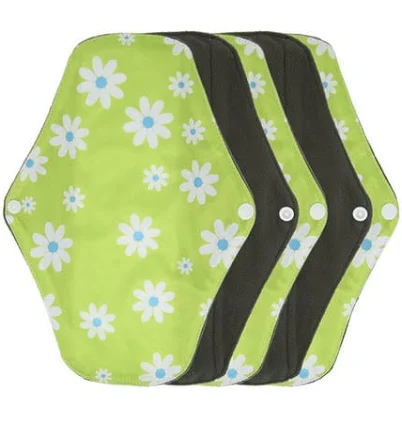
5pcs Bamboo Charcoal Washable Incontinence Pads
- bamboo charcoal textile, washable cotton-blend absorbent layer
- We found no PFAS statement from the brand
- Azo dyes and synthetic colorants
4 hazards checked on this product, all on its full breakdown.
More incontinence pads & protection grades
How we score, every product runs through the same public 0-100 rubric based on materials, coatings, brand disclosure, lab findings, and recalls. See the full methodology → Spotted a mistake? Report an error.