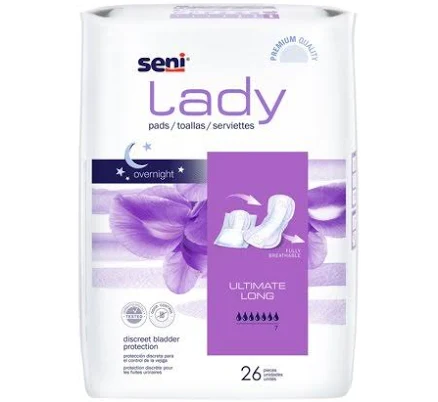
Seni · Incontinence Pads & Protection
SENI Lady Ultimate Protection Pads
Likely contains waterproof polymer backing, PFAS risk undetermined.
Seni Lady pads feature standard absorbent and waterproof materials common in menstrual products. No PFAS disclosure or independent testing results are publicly available from the brand.
The better-graded swap
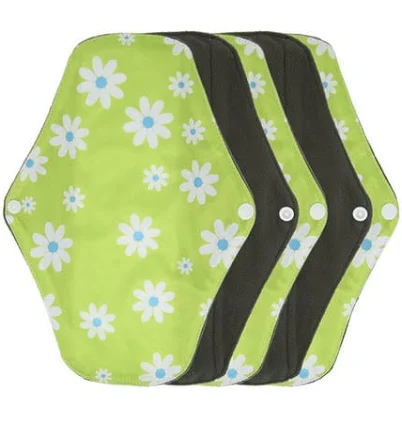
5pcs Bamboo Charcoal Washable Incontinence Pads
70/100 safety
Same rubric that flunked this product. The swap earned Good.
Still want this one anyway? Check the price on Amazon. We’d swap it.
Material
Absorbent core, cellulose, waterproof backing layer
Brand disclosure
Brand is silent on PFAS
Lab data
No public lab test
What SENI Lady Ultimate Protection Pads is made of, ingredients and materials
SENI Lady Ultimate pads use a cellulose absorbent core (standard for period products) combined with a waterproof backing layer to prevent leakage. The backing is the chemical concern, most period-pad waterproof layers are synthetic polymers (polyethylene or polypropylene) that may contain PFAS to enhance water resistance, though Seni does not publicly disclose this. The cellulose core itself is generally recognized as safe, but the integrity of the backing and any migration of polymer degradation products under body heat over extended wear remains a practical consideration.
What’s concerning
Category baseline
The starting point for this type of product, before anything specific to this product is counted.
No PFAS disclosure
No public statement from the brand about PFAS in this product.
Waterproof / stain-resistant treatment
Water-repellent coating treatments have historically used PFAS.
PFAS
Waterproof backing layers in period pads frequently use fluorinated polymers to repel moisture; Seni does not publicly disclose PFAS-free status. Risk of skin absorption or inhalation is low during normal use, but accumulation over decades of menstrual-product use is not well-studied in humans.
Source, ATSDR ↗Polymer degradation and leaching under heat/moisture
Synthetic backing layers can degrade, especially under prolonged skin contact and body heat. Migration of oligomers or additives from the polymer to the skin is possible but not quantified for this specific product; no recalls indicate acute toxicity, but chronic exposure is not ruled out.
Contact dermatitis and skin sensitivity
Period pads can trigger irritation in individuals sensitive to synthetic materials, adhesives, or residual processing chemicals. Seni does not publish hypoallergenic or dermatologically tested claims for this product, so susceptible users should verify compatibility first.
What’s reassuring
Absorbent core additives (superabsorbent polymers and surfactants)
Cellulose-based cores typically contain sodium polyacrylate and other superabsorbent polymers plus surfactants; these are widely used in menstrual and incontinence products with no established acute hazard record, but long-term vaginal exposure data is limited.
Chlorine bleaching residue in cellulose
Cellulose pulp in period pads is often bleached with chlorine compounds to achieve whiteness; no product-specific information is available for Seni, and regulatory limits on residual chlorine in these products are minimal or absent in many regions.
The full breakdown
The brand's record and disclosure
Seni is a European incontinence-care brand (part of Essity) with no publicly available detailed chemical disclosure or third-party certifications (e.g., Cradle to Cradle, OEKO-TEX) for period products. The company maintains silence on PFAS use, which is typical but not reassuring in the current market climate where competitors increasingly publish material sourcing. No major recalls or safety violations have been recorded for this product line, but the lack of transparency means independent verification of hazard claims is not readily available.
How it compares in its category
Period-pad safety varies widely; some brands (e.g., Seventh Generation, Cora, Aunt Flow) now disclose PFAS-free formulations or pursue organic/compostable certification, while many mainstream options (including Seni) remain non-committal. SENI Lady Ultimate sits in the mid-range, it is not marketed as 'natural' or 'clean' but also not flagged with known hazards. For users prioritizing chemical transparency, this product lacks the disclosure advantage of certified alternatives, though it also does not carry a documented hazard record that would warrant avoidance.
If you buy it
Change pads regularly (every 4-6 hours or as needed) to minimize prolonged contact between the backing and skin, which can increase any leaching risk under heat and moisture. Store in a cool, dry place away from direct heat or sunlight, as synthetic backings can degrade. Do not rely on this product alone if you have a history of contact dermatitis or chemical sensitivities; patch-test first. If you experience unexplained itching, rash, or irritation, discontinue and consider products with more detailed material disclosure.
What we don’t know
- Basis
- Model estimate, 55% confidence, not a lab result
- Lab test
- None on record for this exact product
- Brand statement
- Seni has made none
Formulations change between production runs, so check the current label. How we grade.
Better-graded alternatives in Incontinence Pads & Protection
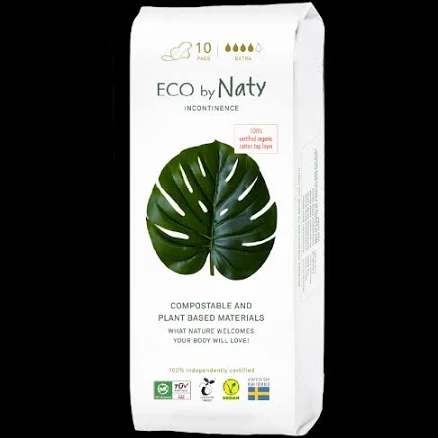
Eco By Naty
Incontinence Pads
- Bamboo-derived viscose, cotton, plant-based absorbent core
- We found no PFAS statement from the brand
- Heavy metals
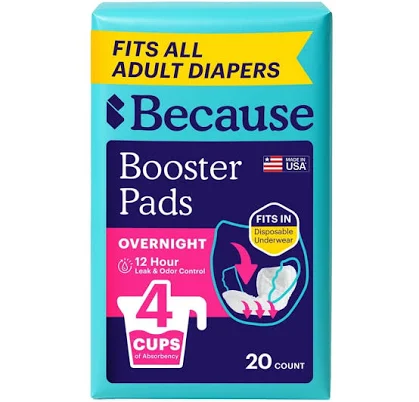
Because Market
Because Booster Pads
- Cellulose, superabsorbent polymer, cotton blend
- We found no PFAS statement from the brand
- Absorbent material degradation and bacterial growth
2 hazards checked on this product. See all of them.
5pcs Bamboo Charcoal Washable Incontinence Pads
- bamboo charcoal textile, washable cotton-blend absorbent layer
- We found no PFAS statement from the brand
- Azo dyes and synthetic colorants
4 hazards checked on this product. See all of them.
More incontinence pads & protection grades
How we score, every product runs through the same public 0-100 rubric based on materials, coatings, brand disclosure, lab findings, and recalls. See the full methodology → Spotted a mistake? Report an error.