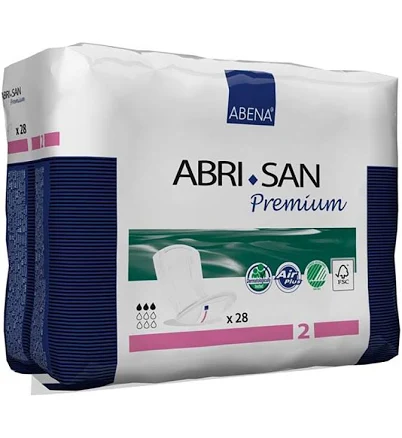
Abri-Form · Incontinence Pads & Protection
Abena Abri-San Incontinence Pads
No PFAS disclosure provided, waterproof layer composition unclear.
Abena does not disclose PFAS use or avoidance in this pad. The waterproof backing treatment remains unspecified, raising concern about possible fluorinated compounds common in absorbent hygiene.
The better-graded swap
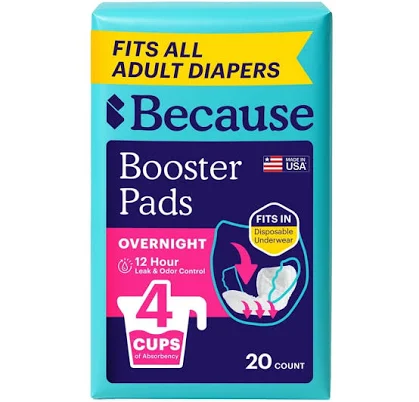
Because Market
Because Booster Pads
70/100 safety
Same rubric that flunked this product. The swap earned Good.
Still want this one anyway? Check the price on Amazon. We’d swap it.
Material
cellulose core, polymer backing with unspecified waterproof/moisture-barrier coating
Brand disclosure
Brand is silent on PFAS
Lab data
No public lab test
What Abena Abri-San Incontinence Pads is made of, ingredients and materials
Abri-San pads use a cellulose absorbent core, which is a standard, low-toxicity material in incontinence products. The critical unknown is the waterproof backing layer, the manufacturer does not publicly specify whether this polymer barrier uses PFAS-based coatings (such as perfluorinated compounds) or PFAS-free alternatives. Cellulose itself carries minimal chemical hazard, but the moisture barrier's composition directly determines skin contact risk and environmental persistence if discarded.
What’s concerning
Category baseline
The starting point for this type of product, before anything specific to this product is counted.
No PFAS disclosure
No public statement from the brand about PFAS in this product.
Waterproof / stain-resistant treatment
Water-repellent coating treatments have historically used PFAS.
PFAS
Composition of the moisture-barrier layer is not disclosed. Waterproof coatings in incontinence pads historically use PFAS; without confirmation of PFAS-free alternatives, exposure via skin contact during use is a genuine concern, particularly for frequent or long-term users.
Source, ATSDR ↗Chemical leachates from unspecified coating
Without disclosure of waterproof-layer chemistry, potential leachates (plasticizers, oligomers, or residual monomers) cannot be ruled out. Prolonged moisture and body heat may increase leaching; risk is speculative but underscored by manufacturer silence.
Environmental persistence if incinerated
If the waterproof layer contains PFAS (suspected but unconfirmed), incineration would release or persist fluorinated compounds into ash. Standard household disposal avoids this; industrial waste streams should not incinerate without verification of non-fluorinated composition.
What’s reassuring
Skin irritation from polymer backing or additives
No dermatological incidents or allergic reactions are documented for this product line. Cellulose core is hypoallergenic; risk is primarily from undisclosed polymer-backing additives (plasticizers, mold inhibitors) in prolonged contact with sensitive skin.
Microplastic or polymer particle shedding
No published evidence of breakdown or particle release from Abri-San pads during normal use. Cellulose cores are biodegradable; the polymer backing could theoretically fragment if damaged, but typical single-use disposal does not present acute microplastic inhalation risk.
The full breakdown
The brand's record and disclosure
Abena (parent company) and the Abri-Form line have no documented major safety recalls or toxicant controversies in public records. However, the company does not proactively disclose waterproof coating chemistry on product labels or safety datasheets, and has not publicly committed to PFAS-free formulations. This silence on a key material is atypical for premium incontinence brands and limits independent safety verification.
How it compares in its category
Incontinence pad safety largely hinges on waterproof-layer composition. Competitors like Tena and Depend also use polymer backings of unspecified chemistry, making this a category-wide disclosure gap. Some manufacturers (e.g., certain eco-labeled products) explicitly state PFAS-free or Teflon-family coating-free status; Abri-San does not. Price and absorbency performance are strong, but transparency lags premium alternatives.
If you buy it
Change pads frequently to minimize prolonged skin contact with the waterproof layer. Store in a cool, dry place away from heat or direct sunlight, which could degrade the backing. Do not incinerate; dispose in household waste to avoid releasing any fluorinated compounds into the environment. If skin irritation develops, discontinue use and contact the manufacturer to request material safety data, including coating composition.
What we don’t know
- Basis
- Model estimate, 42% confidence, not a lab result
- Lab test
- None on record for this exact product
- Brand statement
- Abri-Form has made none
Formulations change between production runs, so check the current label. How we grade.
Better-graded alternatives in Incontinence Pads & Protection
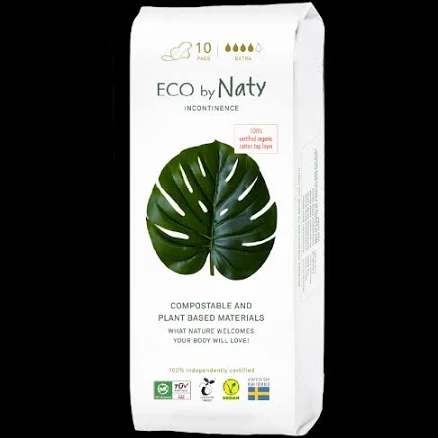
Eco By Naty
Incontinence Pads
- Bamboo-derived viscose, cotton, plant-based absorbent core
- We found no PFAS statement from the brand
- Heavy metals
Because Market
Because Booster Pads
- Cellulose, superabsorbent polymer, cotton blend
- We found no PFAS statement from the brand
- Absorbent material degradation and bacterial growth
2 hazards checked on this product. See all of them.
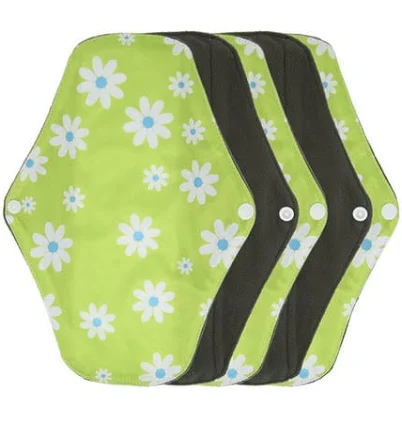
5pcs Bamboo Charcoal Washable Incontinence Pads
- bamboo charcoal textile, washable cotton-blend absorbent layer
- We found no PFAS statement from the brand
- Azo dyes and synthetic colorants
4 hazards checked on this product. See all of them.
More incontinence pads & protection grades
How we score, every product runs through the same public 0-100 rubric based on materials, coatings, brand disclosure, lab findings, and recalls. See the full methodology → Spotted a mistake? Report an error.