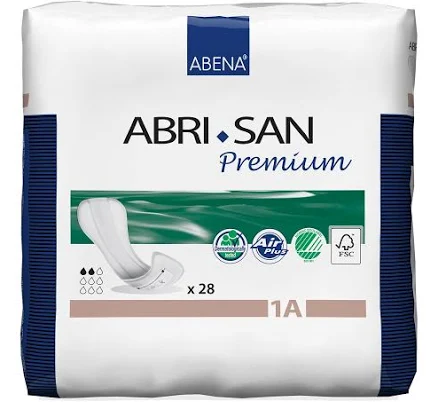
Abri-Form · Incontinence Pads & Protection
Abena Abri-San Premium Bladder Control Pad
Incontinence pad with unknown waterproof treatment, PFAS status unclear.
Abena does not disclose PFAS information or what chemicals treat the waterproof backing. Incontinence pads typically rely on water-resistant finishes that manufacturers often keep undisclosed.
The better-graded swap
Lille
LILLE Suprem Form Maxi 2920ml
70/100 safety
Same rubric that flunked this product. The swap earned Good.
Still want this one anyway? Check the price on Amazon. We’d swap it.
Material
cellulose, SAP, adhesive, unspecified waterproof backing
Brand disclosure
Brand is silent on PFAS
Lab data
No public lab test
What Abena Abri-San Premium Bladder Control Pad is made of, ingredients and materials
Abri-San Premium uses cellulose fibers and superabsorbent polymer (SAP) in the core, both well-established absorptive materials with low chemical toxicity when pure. The waterproof backing layer, not chemically specified on packaging, is the primary concern; incontinence pads commonly use polyethylene or polyurethane films, some of which are treated with PFAS-based water and oil repellents to improve durability and fluid barrier performance. The adhesive securing the pad to underwear is typically acrylate-based and poses minimal hazard if used as intended, though skin sensitivity varies individually.
What’s concerning
Category baseline
The starting point for this type of product, before anything specific to this product is counted.
No PFAS disclosure
No public statement from the brand about PFAS in this product.
Waterproof / stain-resistant treatment
Water-repellent coating treatments have historically used PFAS.
PFAS
Incontinence pad backings commonly use PFAS-based repellents for water/oil resistance. Abena does not disclose whether the Abri-San backing is PFAS-treated, making this hazard unconfirmed but typical for the product class. Skin contact during normal use is the primary exposure route; leaching into bloodstream is not established.
Source, ATSDR ↗Unknown backing polymer degradation and leachables
Without chemical specification of the waterproof layer (whether polyethylene, polyurethane, or composite), potential additives such as plasticizers or antioxidants cannot be ruled out. Prolonged skin contact under warm, moist conditions may increase leaching risk, though incontinence pad materials are generally engineered to minimize this.
Acrylate adhesive sensitization
Acrylic adhesives used in incontinence pads can trigger contact dermatitis in susceptible individuals. This is not unique to Abri-San but occurs across the category; individual skin sensitivity is the determining factor, not product defect.
What’s reassuring
Cellulose and SAP quality control
Cellulose fibers and superabsorbent polymers used in incontinence pads are generally food-grade or pharmaceutical-grade material. No known safety issues with Abri-San's core materials are on record; both are considered low-hazard for skin contact.
Fragrance or skin-irritating additives
Abri-San Premium does not list added fragrances or antimicrobial treatments on available product information. No documented cases of irritation from fragrance additives in this product are recorded, though individual sensitivity remains possible.
The full breakdown
The brand's record and disclosure
Abena (parent company SCA/Essity) does not publicly disclose PFAS use or absence in Abri-San products, nor do they publish full chemical composition of the waterproof backing layer. The brand has not pursued third-party certifications (such as Cradle to Cradle or Oeko-Tex) that would verify chemical safety, a common gap in the incontinence-product market. No major recalls or safety controversies are recorded for this specific product line, but transparency is minimal.
How it compares in its category
Abri-San Premium occupies the mid-to-premium segment; comparable products (Tena, Depends, Attends) face the same PFAS uncertainty and lack chemical disclosure. Brands explicitly certifying PFAS-free backing (e.g., some eco-focused alternatives) remain rare and typically cost more. Most mainstream incontinence pads cannot be reliably distinguished by safety profile without direct manufacturer inquiry, making Abri-San typical rather than distinctive in this regard.
If you buy it
Use pads as directed (replace when saturated; do not reuse). Check skin regularly for irritation; discontinue if rash or allergic reaction emerges, as acrylate adhesive sensitivity is possible in a small subset of users. Store in a cool, dry place away from direct heat or sunlight to prevent degradation of the waterproof backing layer over time. If concerned about PFAS exposure, contact Abena directly requesting chemical composition of the backing material; absent transparency, consider this a purchase decision weighted toward convenience over full chemical assurance.
What we don’t know
- Basis
- Model estimate, 45% confidence, not a lab result
- Lab test
- None on record for this exact product
- Brand statement
- Abri-Form has made none
Formulations change between production runs, so check the current label. How we grade.
Better-graded alternatives in Incontinence Pads & Protection
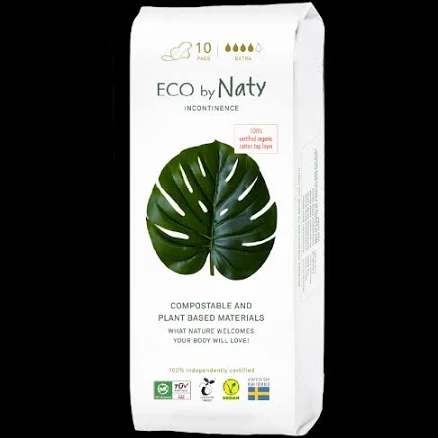
Eco By Naty
Incontinence Pads
- Bamboo-derived viscose, cotton, plant-based absorbent core
- We found no PFAS statement from the brand
- Heavy metals
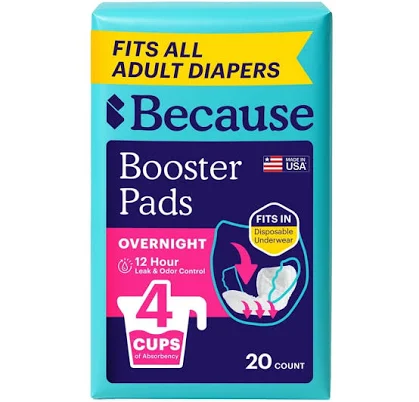
Because Market
Because Booster Pads
- Cellulose, superabsorbent polymer, cotton blend
- We found no PFAS statement from the brand
- Absorbent material degradation and bacterial growth
2 hazards checked on this product. See all of them.
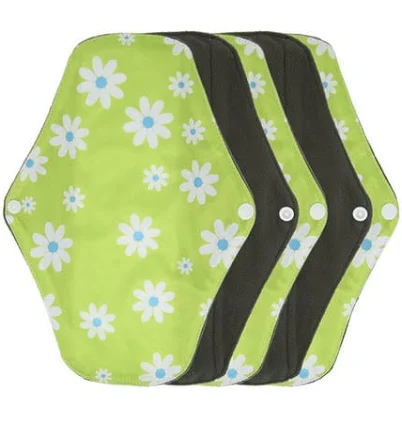
5pcs Bamboo Charcoal Washable Incontinence Pads
- bamboo charcoal textile, washable cotton-blend absorbent layer
- We found no PFAS statement from the brand
- Azo dyes and synthetic colorants
4 hazards checked on this product. See all of them.
More incontinence pads & protection grades
How we score, every product runs through the same public 0-100 rubric based on materials, coatings, brand disclosure, lab findings, and recalls. See the full methodology → Spotted a mistake? Report an error.