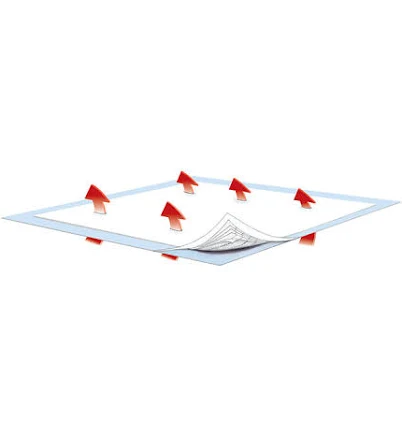
Attends · Incontinence Pads & Protection
Attends Air Dri Breathables Underpad
Underpads often use PFAS water barriers; brand won't confirm composition.
Attends won't disclose PFAS or coating materials for this waterproof underpad. Many incontinence pads use PFAS-treated backings, making transparency essential here.
The better-graded swap
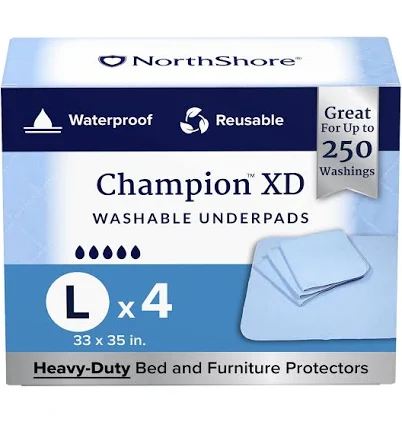
Northshore
NorthShore Champion XD Washable
70/100 safety
Same rubric that flunked this product. The swap earned Good.
Still want this one anyway? Check the price on Amazon. We’d swap it.
Material
Cellulose core with synthetic polymer waterproof layer
Brand disclosure
Brand is silent on PFAS
Lab data
No public lab test
What Attends Air Dri Breathables Underpad is made of, ingredients and materials
Attends Air Dri Breathables use a cellulose absorbent core, which is a naturally derived material not a material linked to PFAS, with a long history of use in incontinence products. The critical component is the synthetic polymer waterproof backing layer, which prevents leakage but typically requires fluorinated compounds (PFAS) to achieve water repellency while maintaining breathability. Aeroflow Health has not publicly disclosed the specific chemistry of this backing, making independent assessment impossible. The cellulose itself poses no chemical hazard, but the waterproofing technology is where environmental and potential health concerns concentrate.
What’s concerning
Category baseline
The starting point for this type of product, before anything specific to this product is counted.
No PFAS disclosure
No public statement from the brand about PFAS in this product.
Waterproof / stain-resistant treatment
Water-repellent coating treatments have historically used PFAS.
PFAS
Synthetic polymer water-barrier layers in underpads almost universally rely on PFAS-based chemistry for breathable waterproofing; Aeroflow/Essity silence on composition is consistent with industry practice of undisclosed fluorinated compounds. This is graded separately per your framework, but is the primary chemical concern.
Source, ATSDR ↗Polymer backing degradation and leachates
Synthetic polymer layers can degrade over time, especially if stored in heat or exposed to urine chemistry, potentially releasing oligomers or unreacted monomers. No recalls or complaints on record for Attends specifically, but this is a theoretical risk inherent to all synthetic waterproof backings.
Microbial growth if left saturated
Underpads are moisture-trapping by design; prolonged contact with urine or other fluids can create an environment for bacterial or fungal colonization if not changed promptly. This is a hygiene concern, not a chemical hazard, but relevant to product performance.
What’s reassuring
Skin irritation from adhesive or polymer contact
Attends underpads are not marketed as adhesive; they are placed beneath the user. No documented cases of allergic contact dermatitis or irritation from the polymer itself. Cellulose cores are hypoallergenic and widely used in medical textiles.
Formaldehyde / VOCs
Medical-grade incontinence products are not typically finished with formaldehyde-releasing resins, as they are regulated for intimate contact. No records of formaldehyde testing or complaints for Attends.
Source, ATSDR ↗The full breakdown
The brand's record and disclosure
Aeroflow Health is primarily a DME supplier and insurance billing facilitator, not a manufacturer; Attends is produced by Essity, a major global incontinence-product maker. Neither company has made public commitments to PFAS elimination or disclosed waterproofing chemistry for this specific product line. Essity has faced no major recalls or documented safety controversies for Attends underpads. However, the silence on PFAS composition is notable given increasing regulatory and consumer scrutiny of fluorinated compounds in intimate-contact products.
How it compares in its category
Most competitor underpads (Tena, Depend, store brands) similarly use synthetic polymer waterproof layers and do not disclose PFAS status, making this product typical rather than differentiated. Some smaller brands have begun marketing PFAS-free alternatives, though verification is limited. Underpads as a category have almost no third-party certifications (e.g., Cradle to Cradle, GOTS) because they are medical/incontinence supplies, not consumer textiles. This product's opacity is industry standard, not a particular weakness.
If you buy it
Use underpads as directed on the package; they are designed for single or limited reuse depending on saturation and brand guidance. Do not wash and reuse repeatedly unless explicitly marked for that, as the waterproof backing can degrade and lose function with heat and detergent. Replace when backing shows visible cracking, peeling, or reduced water resistance. Store in a cool, dry place to extend shelf life and prevent adhesive or polymer degradation; avoid direct sunlight or heat sources.
What we don’t know
- Basis
- Model estimate, 35% confidence, not a lab result
- Lab test
- None on record for this exact product
- Brand statement
- Attends has made none
Formulations change between production runs, so check the current label. How we grade.
Better-graded alternatives in Incontinence Pads & Protection
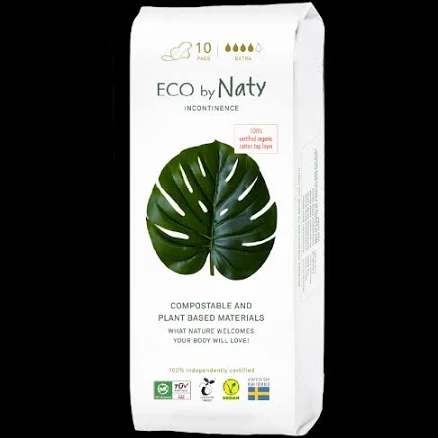
Eco By Naty
Incontinence Pads
- Bamboo-derived viscose, cotton, plant-based absorbent core
- We found no PFAS statement from the brand
- Heavy metals
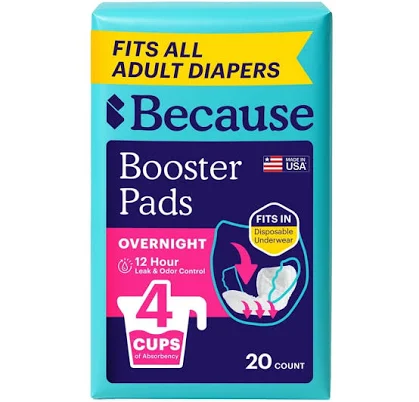
Because Market
Because Booster Pads
- Cellulose, superabsorbent polymer, cotton blend
- We found no PFAS statement from the brand
- Absorbent material degradation and bacterial growth
2 hazards checked on this product. See all of them.
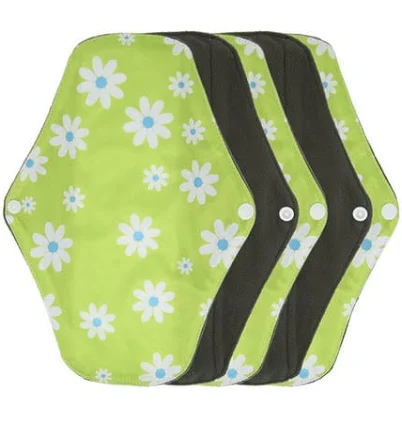
5pcs Bamboo Charcoal Washable Incontinence Pads
- bamboo charcoal textile, washable cotton-blend absorbent layer
- We found no PFAS statement from the brand
- Azo dyes and synthetic colorants
4 hazards checked on this product. See all of them.
More incontinence pads & protection grades
How we score, every product runs through the same public 0-100 rubric based on materials, coatings, brand disclosure, lab findings, and recalls. See the full methodology → Spotted a mistake? Report an error.