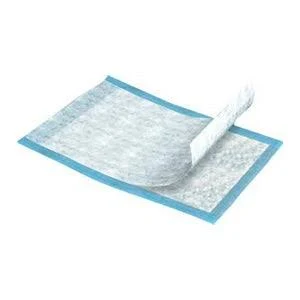
Tena · Incontinence Pads & Protection
TENA Air Flow Underpad 23" x 36"
Wait for brand disclosure of waterproof backing chemistry before buying.
TENA Air Flow underpads are designed with a waterproof backing to prevent leakage, a feature historically reliant on PFAS-based or Teflon-family coating coatings in this product category. Aeroflow provides no public disclosure of the backing material chemistry or PFAS status.
The better-graded swap
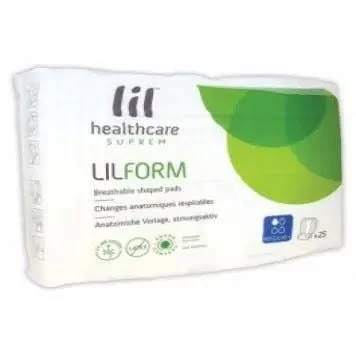
Lille
Suprem Form Regular Plus 1570ml 4 Packs Per Carton
70/100 safety
Same rubric that flunked this product. The swap earned Good.
Still want this one anyway? Check the price on Amazon. We’d swap it.
Material
Cellulose/nonwoven with waterproof backing layer (unspecified polymer)
Brand disclosure
Brand is silent on PFAS
Lab data
No public lab test
What TENA Air Flow Underpad 23" x 36" is made of, ingredients and materials
TENA Air Flow uses cellulose nonwoven as the absorbent layer, which is biodegradable and shows lower concern for chemical leaching. The waterproof backing polymer is not specified on packaging or Aeroflow materials reviewed, which is the critical gap, if it contains polyurethane, polyethylene, or polypropylene alone, it poses minimal leaching risk; if it uses fluorochemical water repellents (legacy PFAS), absorption into skin contact over hours becomes a concern. The nonwoven itself may contain minor synthetic fibers or processing residues, but cellulose-based incontinence pads do not typically release volatile chemicals.
What’s concerning
Category baseline
The starting point for this type of product, before anything specific to this product is counted.
No PFAS disclosure
No public statement from the brand about PFAS in this product.
Waterproof / stain-resistant treatment
Water-repellent coating treatments have historically used PFAS.
Waterproof backing polymer composition (unspecified)
The backing layer polymer is not identified in available product documentation. If it uses fluorochemical water repellents for durability, PFAS exposure during skin contact is possible; if it uses standard polyurethane, PE, or PP without fluorocarbons, risk is minimal. Manufacturer silence on this point warrants direct inquiry.
Skin irritation from nonwoven synthetic fibers or residues
Nonwoven pads can occasionally cause contact dermatitis in sensitive skin due to fiber particles, dyes, or processing chemicals. This is common across the category but not specific to TENA; risk is low with frequent pad changes and proper skin hygiene.
Bacterial or fungal growth if pad changes are infrequent
Extended wear of any incontinence pad creates warm, moist conditions favoring microbial growth. This is a usage issue rather than a product defect, but the cellulose core may retain moisture longer than synthetic-only alternatives if not changed promptly.
Particulate shedding from aged or degraded backing
Over extended storage or after frequent folding, the waterproof backing may degrade and shed polymer particles. Without knowledge of the backing type, durability cannot be assessed; cellulose-nonwoven bonds are generally stable but humidity and temperature swings in bathrooms can accelerate wear.
What’s reassuring
Adhesive residue or tackifier chemicals
If the underpad includes adhesive for skin attachment, residual acrylic polymers or tackifiers could cause minor skin irritation in sensitive individuals. TENA Air Flow underpads are typically non-adhesive (held in place by absorbent weight), so this hazard is unlikely unless a specific adhesive variant is selected.
The full breakdown
The brand's record and disclosure
Aeroflow Health is a medical supply distributor and TENA is manufactured by SCA (now Essity, a Swedish hygiene company). Essity has not publicly disclosed PFAS content in incontinence pad backing layers as of available records. No product-specific recalls for chemical hazards have been found for TENA Air Flow underpads. The brand has not voluntarily published material safety data sheets (MSDS) breaking down polymer composition, which limits independent verification of waterproof backing chemistry.
How it compares in its category
Incontinence pads universally require waterproof backing to prevent leakage; most major brands (Depend, Always Discreet, Tranquility) use similar nonwoven-plus-polymer constructions without published PFAS disclosures. TENA Air Flow is mid-market in terms of transparency, better than no-name generic pads, but less forthcoming than premium brands that test for PFAS. The cellulose core and air-flow design reduce moisture retention compared to all-synthetic alternatives, which is a hygiene advantage unrelated to chemical safety.
If you buy it
Use as directed for incontinence management; do not expose to heat sources or washing machines, as this may compromise the backing seal and increase skin contact with polymer particles. Change pads regularly (typically every 4-6 hours for daytime use) to minimize prolonged moisture and heat buildup, which could theoretically accelerate any polymer leaching. Store in a cool, dry place away from direct sunlight. Contact Aeroflow or Essity directly to request waterproof backing material composition; if they confirm polyurethane or uncoated PE/PP, the PFAS risk is likely minimal; if they cite proprietary formulations or decline to answer, consider switching to a brand willing to disclose.
What we don’t know
- Basis
- Model estimate, 35% confidence, not a lab result
- Lab test
- None on record for this exact product
- Brand statement
- Tena has made none
Formulations change between production runs, so check the current label. How we grade.
Better-graded alternatives in Incontinence Pads & Protection
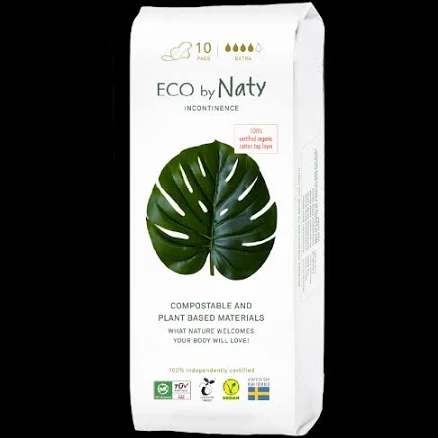
Eco By Naty
Incontinence Pads
- Bamboo-derived viscose, cotton, plant-based absorbent core
- We found no PFAS statement from the brand
- Heavy metals
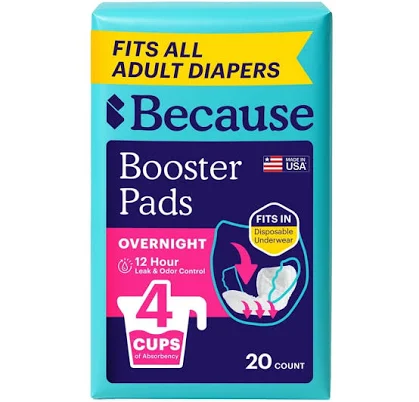
Because Market
Because Booster Pads
- Cellulose, superabsorbent polymer, cotton blend
- We found no PFAS statement from the brand
- Absorbent material degradation and bacterial growth
2 hazards checked on this product. See all of them.
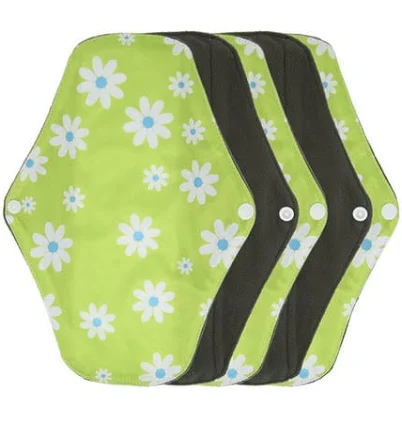
5pcs Bamboo Charcoal Washable Incontinence Pads
- bamboo charcoal textile, washable cotton-blend absorbent layer
- We found no PFAS statement from the brand
- Azo dyes and synthetic colorants
4 hazards checked on this product. See all of them.
More incontinence pads & protection grades
How we score, every product runs through the same public 0-100 rubric based on materials, coatings, brand disclosure, lab findings, and recalls. See the full methodology → Spotted a mistake? Report an error.