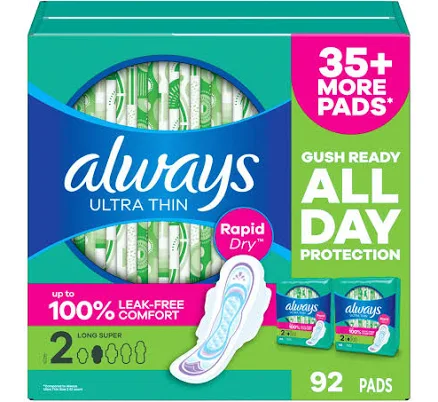
Always Ultra Thin Long Super Pads with Wings
Higher concern due to waterproof backing; consider alternatives with explicit PFAS-free claims.
Waterproof backing layers commonly use PFAS-based treatments. Always provides no public disclosure on PFAS content or independent testing results.
The better-graded swap
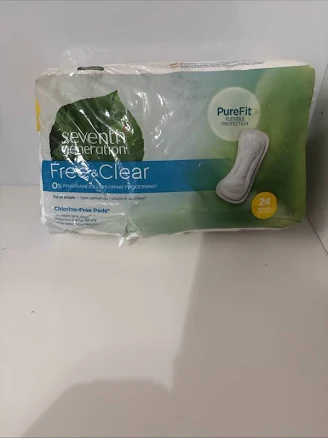
Seventh Generation
Seventh Generation Chlorine Free Maxi Pads
100/100 safety
Same rubric that flunked this product. The swap earned Excellent.
Still want this one anyway? Check the price on Amazon. We’d swap it.
Material
cellulose/synthetic polymer core with waterproofing layer
Lab data
No public lab test
You may also be interested in
Top-graded picks in the categories readers replace first, every one scored on the same rubric.

- polypropylene filter housing, carbon/sediment cartridge
- We found no PFAS statement from the brand
- Bacterial growth in spent cartridges
3 hazards checked on this product, all on its full breakdown.

Aquasure
Premier Series 75 GPD Under Sink Reverse Osmosis Water Filtration System
- RO membrane, carbon filters, stainless steel housing
- We found no PFAS statement from the brand
- Bacterial and microbial growth in housing and filters
4 hazards checked on this product, all on its full breakdown.

Avocado
Vegan Mattress
- organic cotton, natural latex, coconut coir, recycled steel coils
- The brand calls it PFAS-free, which we have not verified
- Heavy metals
2 hazards checked on this product, all on its full breakdown.
What Always Ultra Thin Long Super Pads Wings is made of, ingredients and materials
Always Ultra Thin pads use a cellulose-based absorbent core (standard in the category) with a synthetic polymer backing layer designed to prevent leakage. The waterproofing layer is the critical component, most menstrual pad manufacturers use either polyethylene or polyurethane films, and waterproof barriers are a known application where PFAS chemicals (particularly perfluorooctanoic acid and related compounds) are commonly deployed to repel moisture. Always has not publicly disclosed whether their waterproof layer contains fluorinated compounds, which creates uncertainty around this specific product.
What’s concerning
Category baseline
The starting point for this type of product, before anything specific to this product is counted.
No PFAS disclosure
No public statement from the brand about PFAS in this product.
Waterproof / stain-resistant treatment
Water-repellent coating treatments have historically used PFAS.
PFAS
The synthetic waterproof layer used in Always Ultra Thin is a typical application point for PFAS in menstrual products, but Always has not disclosed the specific chemistry. Migration to skin during use is considered low due to short contact duration, but systemic exposure from prolonged use across reproductive years is a concern raised by independent researchers.
Source, ATSDR ↗Skin irritation and allergic contact dermatitis from synthetic polymers
Cellulose and polyethylene/polyurethane backings are generally well-tolerated, but menstrual pad irritation is a documented consumer issue across brands, often attributed to polymer coatings, adhesives, or individual sensitivity. Always Ultra Thin has no specific allergy profile on record that distinguishes it from category norms.
Adhesive residue and skin barrier disruption
Wings-style adhesive strips (present on this product) can cause localized irritation or stripping of skin lipids with frequent application/removal. This is a mechanical/contact hazard rather than chemical toxicity, but is relevant to reproductive skin health with daily use.
Microplastics
Polyethylene and polyurethane backings can fragment into microparticles if degraded (mechanical wear, body heat, or disposal). Intra-vaginal exposure to microplastics during menstruation has not been extensively studied, but is an emerging concern in the field given long-term systemic exposure potential.
Source, EPA ↗What’s reassuring
Chlorine bleaching residues (dioxins) in cellulose core
Modern menstrual pad manufacturers typically use elemental chlorine-free or oxygen-based bleaching. No specific residue findings have been reported for Always Ultra Thin, and regulatory oversight of pad materials has improved since the 1990s when dioxin concerns were more acute.
How is this PFAS grade calculated?
The brand's record and disclosure
Procter and Gamble (Always's parent company) has faced increasing pressure on PFAS transparency in menstrual products, but has not issued explicit PFAS-free certification or detailed chemical disclosures for Always period pads as of publicly available information. P&G has committed to phasing PFAS from some product lines but has remained largely silent on menstrual pad formulations specifically. No major recalls or toxicity findings have been established for Always Ultra Thin, but the lack of affirmative disclosure is a transparency gap in a product category where consumers increasingly demand clarity.
How it compares in its category
Most conventional menstrual pads (Tampax, Kotex, Stayfree) use similar cellulose cores with waterproof synthetic backings, placing them in the same PFAS uncertainty tier. Brands like Seventh Generation and some indie producers explicitly market PFAS-free or claim avoidance of 'forever chemicals,' making them differentiated alternatives if PFAS exposure is a priority. Always Ultra Thin is a mid-market choice with no distinguishing commitment on fluorinated compound avoidance, putting it in the 'standard concern' category rather than worst-case.
If you buy it
Change pads every 4-6 hours to minimize wear and skin irritation; there is no evidence that extended wear increases chemical migration, but frequent changes reduce overall exposure to any constituent material. Store in a cool, dry place to prevent degradation of polymer backing. If you experience irritation, rash, or allergic reaction, discontinue and consider switching to a certified organic or PFAS-free alternative; individual sensitivity varies. Monitor brand transparency, if Always or P&G issues a PFAS-free certification, that would materially lower concern.
What is not known about PFAS in this product?
- Basis
- Model estimate, 45% confidence, not a lab result
- Lab test
- None on record for this exact product
- Brand statement
- Always has made a specific claim
Formulations change between production runs, so check the current label. How we grade.
What are the PFAS-free alternatives to Always Ultra Thin Long Super Pads with Wings?
- organic cotton, wood pulp
- The brand calls it PFAS-free, which we have not verified
- Fragrance allergen content
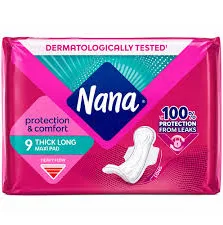
- cellulose, cotton blend, absorbent core
- We found no PFAS statement from the brand
- Bleach residues and processing chemicals in cellulose
3 hazards checked on this product, all on its full breakdown.
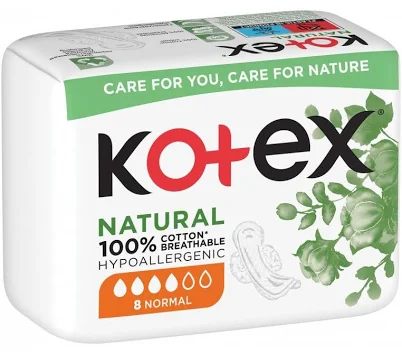
- Cotton, wood pulp absorbent core, plastic backing
- Pesticide residue
2 hazards checked on this product, all on its full breakdown.
More period pads grades
How we score, every product runs through the same public 0-100 rubric based on materials, coatings, brand disclosure, lab findings, and recalls. See the full methodology → Spotted a mistake? Report an error.