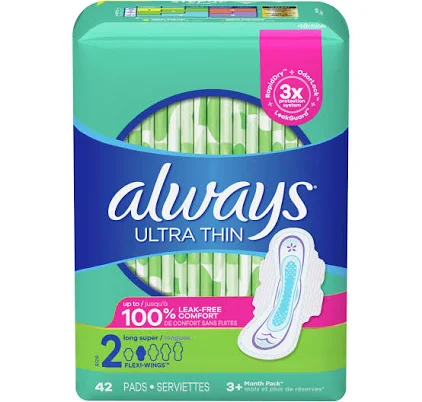
Always Ultra Thin Super Pads
Period pads need water-repellency; Always discloses nothing about PFAS treatment.
Water-resistant technology prevents leakage but Always doesn't disclose coating agents or PFAS status. Seek brands with explicit PFAS-free claims.
The better-graded swap
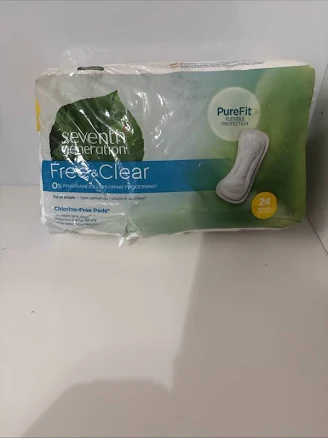
Seventh Generation
Seventh Generation Chlorine Free Maxi Pads
100/100 safety
Same rubric that flunked this product. The swap earned Excellent.
Still want this one anyway? Check the price on Amazon. We’d swap it.
Material
Cellulose/synthetic layers with undisclosed water-resistant treatment
Lab data
No public lab test
You may also be interested in
Top-graded picks in the categories readers replace first, every one scored on the same rubric.

- polypropylene filter housing, carbon/sediment cartridge
- We found no PFAS statement from the brand
- Bacterial growth in spent cartridges
3 hazards checked on this product, all on its full breakdown.

Aquasure
Premier Series 75 GPD Under Sink Reverse Osmosis Water Filtration System
- RO membrane, carbon filters, stainless steel housing
- We found no PFAS statement from the brand
- Bacterial and microbial growth in housing and filters
4 hazards checked on this product, all on its full breakdown.

Avocado
Vegan Mattress
- organic cotton, natural latex, coconut coir, recycled steel coils
- The brand calls it PFAS-free, which we have not verified
- Heavy metals
2 hazards checked on this product, all on its full breakdown.
What Always Ultra Thin Super Pads is made of, ingredients and materials
Always Ultra Thin Super uses a core of cellulose (wood pulp) layered with synthetic polymers (likely polypropylene) and an undisclosed water-resistant topsheet treatment. That water-repellent layer is the functional requirement for absorption control, but Always does not publicly specify whether it contains PFAS, fluorocarbon coatings, or silicone-based alternatives. The cellulose itself has no hazard of this kind on record; the concern centers on the treatment chemistry and any migration of additives into prolonged skin contact.
What’s concerning
Category baseline
The starting point for this type of product, before anything specific to this product is counted.
No PFAS disclosure
No public statement from the brand about PFAS in this product.
Waterproof / stain-resistant treatment
Water-repellent coating treatments have historically used PFAS.
PFAS
PFAS contamination has been documented in menstrual pads by independent testing (MIT study, 2021; various advocacy reports). Always does not publicly confirm or deny PFAS use in water-resistant topsheet; graded poor (25/100) on available evidence, creating a high uncertainty rather than proven presence.
Source, ATSDR ↗Skin sensitization or allergic contact dermatitis
No specific allergic incidents tied to Always Ultra pads are established in public records. However, undisclosed adhesives, dyes, or coating residues in synthetic layers could theoretically trigger reactions in sensitive individuals, though this is uncommon and not product-specific.
Fragrance or dye reactions
Always Ultra Thin scented variants (some regional versions) use fragrance additives. Unscented versions avoid this. Fragrance components are not itemized, so risk of sensitization exists for fragrance-sensitive users, though incidence is not elevated versus competitors.
What’s reassuring
Microplastic or polymer shedding
No documented evidence that Always pads shed microplastics or polymer fragments during normal use. The polypropylene layers are bonded in manufacture; degradation under body temperature and moisture is theoretically minimal but has not been independently tested for this brand.
Chlorine or bleach residue (from manufacturing)
Cellulose pulp in sanitary products is typically bleached during pulping. Always does not disclose bleach type or residual levels. Elemental chlorine-free (ECF) or totally chlorine-free (TCF) processes reduce residue, but no public statement from the brand confirms their method.
How is this PFAS grade calculated?
The brand's record and disclosure
Procter and Gamble (Always parent company) has not published ingredient transparency reports specific to period pad coatings or disclosed PFAS use in this product line. The company has faced criticism from menstrual product advocacy groups for lack of ingredient labeling compared to some competitors. No recalls or established safety incidents are on record for Always pads, but the absence of disclosure makes independent verification difficult.
How it compares in its category
Most mass-market pads (Kotex, Tampax, store brands) use similar synthetic-cellulose composites with undisclosed water treatments; disclosure across the category is poor. Some smaller brands (Seventh Generation, Cora, Rael) now explicitly avoid PFAS and fluorochemicals, though they command higher prices. Always remains in the mainstream tier with minimal ingredient communication, neither distinctly worse nor better than major competitors on this metric alone.
If you buy it
Change pads every 4-8 hours to minimize prolonged skin contact and reduce any chemical exposure. Store in a cool, dry place away from direct heat or humidity, which could theoretically increase leaching (though no data confirms this risk for pads). If you experience unexplained skin irritation or sensitivity after switching products, consider rotating to a brand with published PFAS-free claims. Monitor public health updates on PFAS in menstrual products, as regulation and testing in this category remain limited.
What is not known about PFAS in this product?
- Basis
- Model estimate, 35% confidence, not a lab result
- Lab test
- None on record for this exact product
- Brand statement
- Always has made a specific claim
Formulations change between production runs, so check the current label. How we grade.
What are the PFAS-free alternatives to Always Ultra Thin Super Pads?
- organic cotton, wood pulp
- The brand calls it PFAS-free, which we have not verified
- Fragrance allergen content
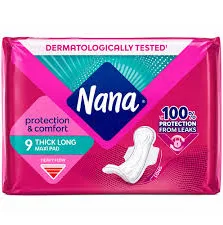
- cellulose, cotton blend, absorbent core
- We found no PFAS statement from the brand
- Bleach residues and processing chemicals in cellulose
3 hazards checked on this product, all on its full breakdown.
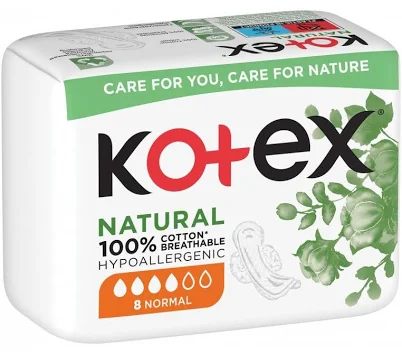
- Cotton, wood pulp absorbent core, plastic backing
- Pesticide residue
2 hazards checked on this product, all on its full breakdown.
More period pads grades
How we score, every product runs through the same public 0-100 rubric based on materials, coatings, brand disclosure, lab findings, and recalls. See the full methodology → Spotted a mistake? Report an error.