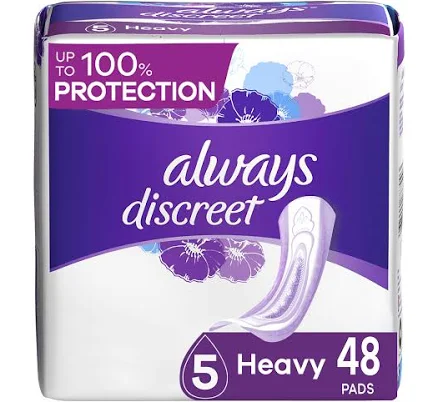
Always Discreet · Incontinence Pads & Protection
Always Discreet Heavy Incontinence Pads
Waterproof coating unknown, PFAS risk possible but unconfirmed.
Always Discreet does not disclose PFAS status or what materials are used in the waterproof backing. Incontinence pads require water-resistant backing typically made from synthetic polymers that may contain PFAS without verification.
The better-graded swap
Lille
LILLE Suprem Form Maxi 2920ml
70/100 safety
Same rubric that flunked this product. The swap earned Good.
Still want this one anyway? Check the price on Amazon. We’d swap it.
Material
cellulose core, synthetic polymer layers, waterproof backing
Brand disclosure
Brand is silent on PFAS
Lab data
No public lab test
What Always Discreet Heavy Incontinence Pads is made of, ingredients and materials
Always Discreet Heavy pads use a cellulose absorbent core (wood pulp-based), synthetic polymer layers for fluid distribution, and a waterproof backing layer. The waterproof backing is the primary concern, Procter & Gamble has not publicly disclosed whether this uses PFAS-based water repellents (common in feminine hygiene products) or alternative chemistries. Cellulose and standard polyethylene components themselves carry no inherent toxicity risk at intended use, but the backing composition remains opaque.
What’s concerning
Category baseline
The starting point for this type of product, before anything specific to this product is counted.
No PFAS disclosure
No public statement from the brand about PFAS in this product.
Waterproof / stain-resistant treatment
Water-repellent coating treatments have historically used PFAS.
PFAS
The waterproof coating chemistry is undisclosed by Procter & Gamble. PFAS compounds (PFOA, PFOS, and newer alternatives) are common in water-repellent layers for absorbent hygiene products. No laboratory testing of this specific product for PFAS has been published in independent sources.
Source, ATSDR ↗Bacterial and fungal overgrowth from prolonged contact
General risk with all incontinence pads if left in place too long; not specific to this brand. Warm, moist environment promotes microbial growth. Regular changing and skin hygiene are primary mitigation strategies.
What’s reassuring
Skin irritation and contact sensitization
No widespread reports of allergic reactions or dermatitis specific to Always Discreet Heavy pads exist in public databases. Cellulose and polyethylene are generally well-tolerated, but individual sensitivity to synthetic polymers or residual processing chemicals can occur in susceptible users.
Fragrance and additive allergens
Always Discreet products are available in both scented and unscented versions. Fragrance compounds can trigger contact dermatitis or respiratory sensitivity in a minority of users; unscented variants minimize this risk.
Microplastic shedding from synthetic polymer layers
No established evidence that synthetic polymer components in pads shed microplastics during normal use. Cellulose and polyethylene polymers are not known to fragment significantly under body-temperature, moisture, and friction conditions typical of pad wear.
The full breakdown
The brand's record and disclosure
Procter & Gamble (Always' parent company) has not published a PFAS disclosure policy specific to period or incontinence products, despite pressure from advocacy groups. The company maintains certifications for product safety (dermatologist-tested claims) but does not provide ingredient transparency beyond marketing language. No product recalls or regulatory actions specific to Always Discreet incontinence pads have been documented for chemical hazards. P&G's silence on waterproof coating chemistry is notable in an industry where some competitors are beginning to disclose PFAS avoidance.
How it compares in its category
Incontinence pad materials and safety vary widely by manufacturer. Some brands (notably Poise and Kotex Incontinence) similarly do not publicly disclose waterproof backing composition. A small number of newer or premium alternatives market PFAS-free or plant-based waterproof layers, though independent verification is limited. The cellulose-core design with synthetic polymer layers is industry standard and not unusual; the hazard differentiation hinges on the waterproof additive choice, which is rarely disclosed across brands.
If you buy it
Change pads regularly (every 4-6 hours or when saturated) to minimize skin contact time and reduce infection risk. Do not expose to excessive heat or direct flame. Store in a cool, dry place to prevent bacterial growth in packaging. If you experience persistent skin irritation, rash, or allergic reaction, discontinue use and consult a physician; consider patch-testing on a small area first if you have sensitive skin. Request PFAS disclosure from P&G if the concern motivates your purchasing decision.
What we don’t know
- Basis
- Model estimate, 45% confidence, not a lab result
- Lab test
- None on record for this exact product
- Brand statement
- Always Discreet has made none
Formulations change between production runs, so check the current label. How we grade.
Better-graded alternatives in Incontinence Pads & Protection
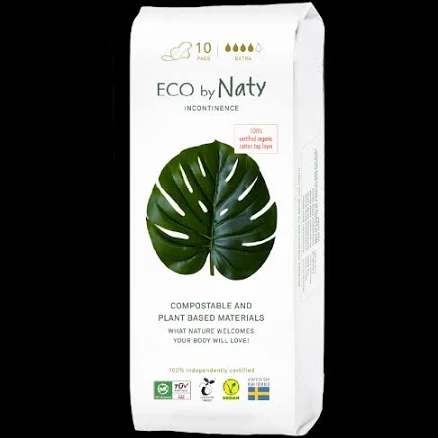
Eco By Naty
Incontinence Pads
- Bamboo-derived viscose, cotton, plant-based absorbent core
- We found no PFAS statement from the brand
- Heavy metals
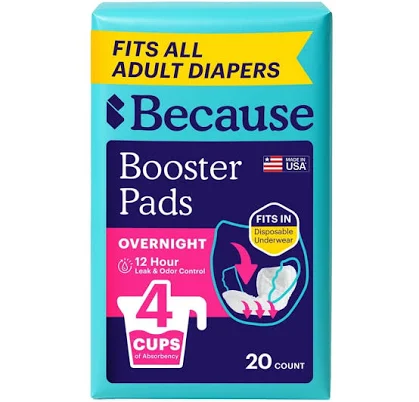
Because Market
Because Booster Pads
- Cellulose, superabsorbent polymer, cotton blend
- We found no PFAS statement from the brand
- Absorbent material degradation and bacterial growth
2 hazards checked on this product. See all of them.
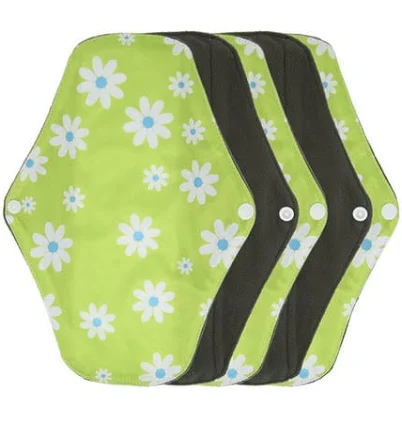
5pcs Bamboo Charcoal Washable Incontinence Pads
- bamboo charcoal textile, washable cotton-blend absorbent layer
- We found no PFAS statement from the brand
- Azo dyes and synthetic colorants
4 hazards checked on this product. See all of them.
More incontinence pads & protection grades
How we score, every product runs through the same public 0-100 rubric based on materials, coatings, brand disclosure, lab findings, and recalls. See the full methodology → Spotted a mistake? Report an error.