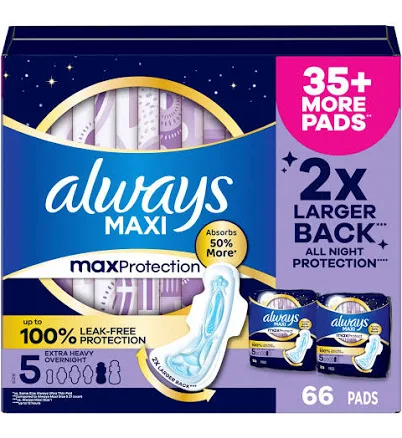
Always Maxi Overnight Pads with Wings
Waterproof period pads often use PFAS-treated materials; brand provides no transparency.
Always does not disclose PFAS use or absence in these pads. Waterproof/absorbent period products commonly contain PFAS coatings for fluid barrier properties; independent testing data unavailable.
The better-graded swap
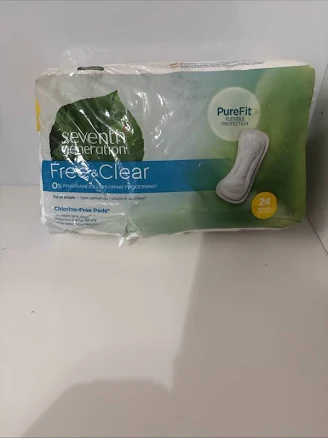
Seventh Generation
Seventh Generation Chlorine Free Maxi Pads
100/100 safety
Same rubric that flunked this product. The swap earned Excellent.
Still want this one anyway? Check the price on Amazon. We’d swap it.
Material
cellulose, polypropylene, adhesives with undisclosed water-resistant coatings
Brand disclosure
Brand is silent on PFAS
Lab data
No public lab test
You may also be interested in
Top-graded picks in the categories readers replace first, every one scored on the same rubric.

- polypropylene filter housing, carbon/sediment cartridge
- We found no PFAS statement from the brand
- Bacterial growth in spent cartridges
3 hazards checked on this product, all on its full breakdown.

Aquasure
Premier Series 75 GPD Under Sink Reverse Osmosis Water Filtration System
- RO membrane, carbon filters, stainless steel housing
- We found no PFAS statement from the brand
- Bacterial and microbial growth in housing and filters
4 hazards checked on this product, all on its full breakdown.

Avocado
Vegan Mattress
- organic cotton, natural latex, coconut coir, recycled steel coils
- The brand calls it PFAS-free, which we have not verified
- Heavy metals
2 hazards checked on this product, all on its full breakdown.
What Always Maxi Overnight Pads with Wings is made of, ingredients and materials
Always Maxi Overnight Pads use a cellulose-based absorbent core wrapped in polypropylene (plastic) backing and topped with a polyethylene or nonwoven layer, with adhesives binding the layers together. The undisclosed water-resistant coatings on the backing and wings are the primary concern, manufacturers in this category commonly use PFAS (PFAS "forever chemicals") to achieve water repellency, though Always has provided no public breakdown. Adhesives holding the pad together are not detailed in ingredient lists, meaning their chemical composition and potential leaching remain unknown to consumers. The polypropylene material itself is considered stable during use but the chemical treatments applied to it are opaque.
What’s concerning
Waterproof / stain-resistant treatment
Water-repellent coating treatments have historically used PFAS.
Category baseline
The starting point for this type of product, before anything specific to this product is counted.
No PFAS disclosure
No public statement from the brand about PFAS in this product.
PFAS
Always does not disclose the chemical identity of water-resistant finishes on the backing and wings. Industry standard practice in overnight pads typically uses PFAS to achieve waterproofing; the brand's silence suggests either PFAS use or intentional non-disclosure, both concerning for reproductive-adjacent tissue exposure.
Source, ATSDR ↗Undisclosed adhesives
The adhesives bonding cellulose, polypropylene, and nonwoven layers are not itemized on packaging or in public documentation. Adhesives may contain formaldehyde releasers, phenol, or other irritants; individual sensitivity varies widely, and without disclosure, users cannot screen for known allergens.
Polypropylene microparticle shedding
Polypropylene backing and wings can degrade, fragment, or shed microparticles during extended use (12+ hours) or if pad shifts. For an overnight pad worn for 8 to 12 hours in direct contact with skin, microscopic polypropylene fragments could theoretically transfer; long-term mucosal exposure data is limited.
Contact dermatitis from coating or adhesive compounds
Scattered consumer reports online describe skin irritation, rashes, or allergic reactions to Always Maxi pads; causation is not formally confirmed by the brand or independent testing, but sensitivity to coating resins, adhesives, or binding agents in conventional pads is documented in dermatology literature.
Lack of transparency enabling informed choice
The absence of disclosed chemical composition, certifications, or PFAS statements prevents users from making risk-informed decisions about long-term menstrual product exposure. This is a systemic hazard in the period-care category, but Always' silence is notably more opaque than competitors publishing PFAS commitments.
How is this PFAS grade calculated?
The brand's record and disclosure
Procter and Gamble (Always' parent company) has remained silent on PFAS use in menstrual products despite growing industry scrutiny. The brand does not publish material safety data sheets or third-party certifications (such as Cradle to Cradle or OEKO-TEX) specific to this product line. No major recalls have been publicly linked to Always period pads for chemical hazards, though the absence of recalls does not confirm absence of hazard. P&G has faced general criticism for lack of transparency on 'forever chemicals' in personal care products.
How it compares in its category
Most conventional period pads use similar cellulose-polypropylene construction; Always is neither worse nor better than Kotex, Tampax, or store brands in material class. However, brands like Seventh Generation, Cora, and Orbit have publicly committed to PFAS-free or significantly reduced fluorochemical water-resistant layers, offering clearer safety positioning. Always Maxi Overnight is marketed for heavy absorbency and 12-hour protection, meaning it is designed for extended contact; this increases potential cumulative exposure to any chemicals in the backing and adhesives. Few period pads in the mainstream market carry rigorous third-party chemical certification.
If you buy it
Change pads every 3 to 4 hours during waking use or every 8 hours overnight to minimize prolonged contact with coating materials and adhesives; do not exceed 12 hours as marketed. Store unopened pads in a cool, dry place away from direct heat, as heat can accelerate any potential leaching of adhesive or coating components. If you experience unexplained skin irritation, itching, or allergic reactions, discontinue use and consider switching to a brand with published PFAS-free or hypoallergenic certification. Review your pad use over a year; if you use these regularly, exploring PFAS-transparent alternatives is prudent for long-term peace of mind.
What is not known about PFAS in this product?
- Basis
- Model estimate, 35% confidence, not a lab result
- Lab test
- None on record for this exact product
- Brand statement
- Always Maxi has made none
Formulations change between production runs, so check the current label. How we grade.
What are the PFAS-free alternatives to Always Maxi Overnight Pads with Wings?
- organic cotton, wood pulp
- The brand calls it PFAS-free, which we have not verified
- Fragrance allergen content
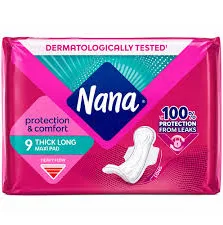
- cellulose, cotton blend, absorbent core
- We found no PFAS statement from the brand
- Bleach residues and processing chemicals in cellulose
3 hazards checked on this product, all on its full breakdown.
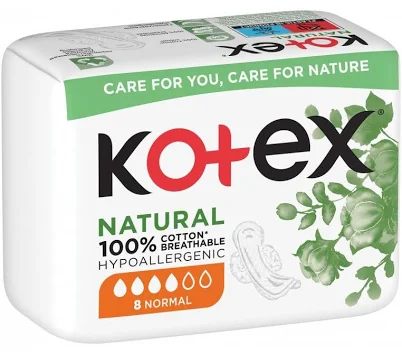
- Cotton, wood pulp absorbent core, plastic backing
- Pesticide residue
2 hazards checked on this product, all on its full breakdown.
More period pads grades
How we score, every product runs through the same public 0-100 rubric based on materials, coatings, brand disclosure, lab findings, and recalls. See the full methodology → Spotted a mistake? Report an error.