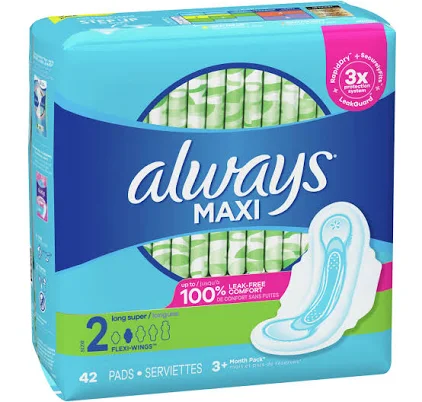
Always Maxi Pads With Wings
Unknown waterproof coating; brand silent on PFAS. Limited public data.
Always pads use waterproof treatments to prevent leakage, but the brand does not disclose PFAS use or test results. Material composition remains opaque to consumers.
The better-graded swap
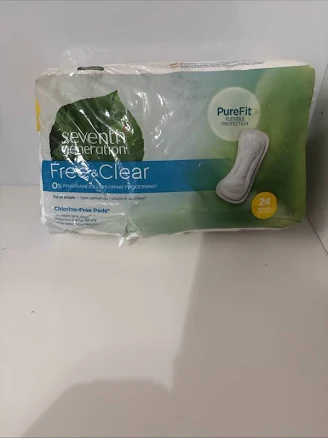
Seventh Generation
Seventh Generation Chlorine Free Maxi Pads
100/100 safety
Same rubric that flunked this product. The swap earned Excellent.
Still want this one anyway? Check the price on Amazon. We’d swap it.
Material
cellulose/polyethylene with waterproof coating
Brand disclosure
Brand is silent on PFAS
Lab data
No public lab test
You may also be interested in
Top-graded picks in the categories readers replace first, every one scored on the same rubric.

- polypropylene filter housing, carbon/sediment cartridge
- We found no PFAS statement from the brand
- Bacterial growth in spent cartridges
3 hazards checked on this product, all on its full breakdown.

Aquasure
Premier Series 75 GPD Under Sink Reverse Osmosis Water Filtration System
- RO membrane, carbon filters, stainless steel housing
- We found no PFAS statement from the brand
- Bacterial and microbial growth in housing and filters
4 hazards checked on this product, all on its full breakdown.

Avocado
Vegan Mattress
- organic cotton, natural latex, coconut coir, recycled steel coils
- The brand calls it PFAS-free, which we have not verified
- Heavy metals
2 hazards checked on this product, all on its full breakdown.
What Always Maxi Pads With Wings is made of, ingredients and materials
Always Maxi pads are constructed from a cellulose-based absorbent core with polyethylene backing and a waterproof coating layer. The coating's chemical identity is not publicly disclosed by Procter & Gamble (Always's parent company), which is the primary safety concern. Cellulose itself is low-risk, but polyethylene can shed microparticles with repeated friction, and undisclosed waterproof coatings commonly contain PFAS or other synthetic polymers that may leach into skin contact areas over wear time.
What’s concerning
Waterproof / stain-resistant treatment
Water-repellent coating treatments have historically used PFAS.
Category baseline
The starting point for this type of product, before anything specific to this product is counted.
No PFAS disclosure
No public statement from the brand about PFAS in this product.
PFAS
Coating chemistry is proprietary and undisclosed. PFAS are common in menstrual product waterproof layers; Always provides no public assurance of PFAS absence. Direct skin contact over hours increases potential for dermal absorption of coating constituents.
Source, ATSDR ↗Microplastics
Polyethylene backing may shed microscopic particles during normal flexing, stretching, and friction against skin. No data exist on particle size, quantity, or systemic uptake from this specific product, but mechanical degradation is inherent to the material class.
Source, EPA ↗Undisclosed synthetic additives in coating
Proprietary waterproof coatings often contain plasticizers, adhesion promoters, or cross-linking agents not listed on packaging. Without ingredient transparency, risk of skin sensitization or irritation from specific additives cannot be ruled out, particularly for sensitive or reactive skin.
Adhesive and fragrance sensitization
Always Maxi pads contain adhesive and optional fragrance (in some variants). Fragrance and adhesive components are known triggers for vulvovaginal irritation and contact dermatitis in susceptible users; unscented variants may reduce risk.
What’s reassuring
Bleach residue in cellulose core
Always pads do not claim to be unbleached. Standard cellulose bleaching uses chlorine-based agents, but regulatory limits apply and no published recalls or complaints specific to residual bleach in Always products are on record. Risk is not established but is lower than in older product generations.
How is this PFAS grade calculated?
The brand's record and disclosure
Procter & Gamble does not publicly disclose the specific chemical composition of Always pad coatings or provide third-party safety certifications specific to PFAS avoidance. The company has faced periodic criticism for opacity on feminine-care product ingredients but has not issued product-specific recalls for chemical hazards in this line. No independent lab testing results on Always Maxi pads for PFAS or heavy metals appear in published peer-reviewed literature, leaving assessment dependent on material class patterns rather than brand-specific data.
How it compares in its category
Period pads vary widely in coating transparency and PFAS risk. Organic/unbleached brands (Seventh Generation, Cora, Rael) typically disclose materials and often avoid PFAS-prone coatings, while mainstream brands including Always, Kotex, and Tampax rarely publish full ingredient lists for synthetic components. Always Maxi occupies the mid-market space with no meaningful transparency advantage; budget and performance are competitive, but chemical safety claims are absent across the category, making comparison difficult.
If you buy it
Replace pads every 4-6 hours as directed; extended wear does not increase chemical exposure risk acutely but may increase skin irritation. Store in a cool, dry place away from heat sources; high temperatures do not typically activate leaching from polyethylene, but prolonged sun exposure in vehicles should be avoided. If you experience unexplained rashes, itching, or chemical odors, switch products and consider a dermatologist consultation. Monitor for product discontinuation or recall notices via FDA's database.
What is not known about PFAS in this product?
- Basis
- Model estimate, 45% confidence, not a lab result
- Lab test
- None on record for this exact product
- Brand statement
- Always Maxi has made none
Formulations change between production runs, so check the current label. How we grade.
What are the PFAS-free alternatives to Always Maxi Pads With Wings?
- organic cotton, wood pulp
- The brand calls it PFAS-free, which we have not verified
- Fragrance allergen content
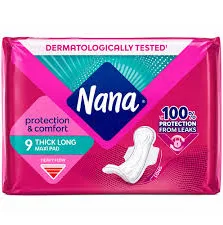
- cellulose, cotton blend, absorbent core
- We found no PFAS statement from the brand
- Bleach residues and processing chemicals in cellulose
3 hazards checked on this product, all on its full breakdown.
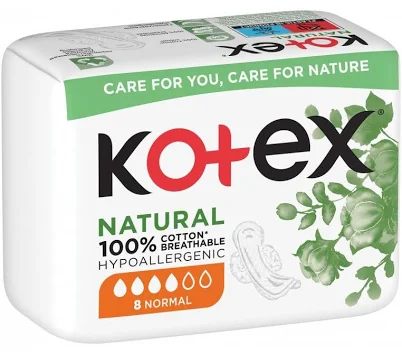
- Cotton, wood pulp absorbent core, plastic backing
- Pesticide residue
2 hazards checked on this product, all on its full breakdown.
More period pads grades
How we score, every product runs through the same public 0-100 rubric based on materials, coatings, brand disclosure, lab findings, and recalls. See the full methodology → Spotted a mistake? Report an error.