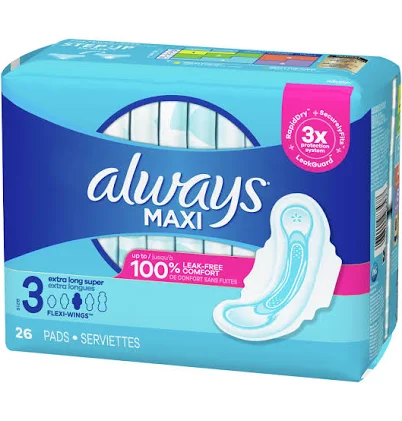
Always Maxi Size 3 Extra Long Super Pads with Wings
Unknown waterproof backing treatment; PFAS risk unspecified by brand
Menstrual pads typically use waterproof backings that may contain PFAS, but Always discloses no information. No third-party testing or certifications available for this product.
The better-graded swap
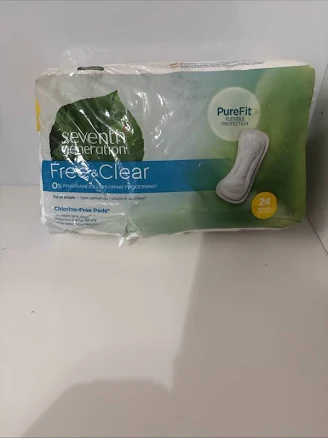
Seventh Generation
Seventh Generation Chlorine Free Maxi Pads
100/100 safety
Same rubric that flunked this product. The swap earned Excellent.
Still want this one anyway? Check the price on Amazon. We’d swap it.
Material
absorbent core, adhesive, waterproof backing (unknown treatment)
Brand disclosure
Brand is silent on PFAS
Lab data
No public lab test
You may also be interested in
Top-graded picks in the categories readers replace first, every one scored on the same rubric.

- polypropylene filter housing, carbon/sediment cartridge
- We found no PFAS statement from the brand
- Bacterial growth in spent cartridges
3 hazards checked on this product, all on its full breakdown.

Aquasure
Premier Series 75 GPD Under Sink Reverse Osmosis Water Filtration System
- RO membrane, carbon filters, stainless steel housing
- We found no PFAS statement from the brand
- Bacterial and microbial growth in housing and filters
4 hazards checked on this product, all on its full breakdown.

Avocado
Vegan Mattress
- organic cotton, natural latex, coconut coir, recycled steel coils
- The brand calls it PFAS-free, which we have not verified
- Heavy metals
2 hazards checked on this product, all on its full breakdown.
What Always Maxi Size 3 Extra Long Super Wings is made of, ingredients and materials
Always Maxi pads use a multi-layer absorbent core (typically wood pulp and superabsorbent polymer SAP), an adhesive strip for fastening, and a waterproof backing layer. The backing is the key unknown, it likely contains a polymer film or coating to prevent leakage, and the waterproof treatment often relies on PFAS compounds (per-and polyfluoroalkyl substances) to achieve water resistance. The absorbent layers themselves are generally recognized as low concern in dermatological use, but the synthetic chemicals in backing and adhesive are not publicly disclosed by Always.
What’s concerning
Waterproof / stain-resistant treatment
Water-repellent coating treatments have historically used PFAS.
Category baseline
The starting point for this type of product, before anything specific to this product is counted.
No PFAS disclosure
No public statement from the brand about PFAS in this product.
PFAS
Waterproof polymer coatings on period pads commonly use fluorinated compounds (PFAS) to achieve water resistance. Always does not disclose backing treatment; PFAS detection in similar products is well-documented in scientific literature, and the brand's silence on this ingredient is consistent with industry-wide non-disclosure.
Source, ATSDR ↗Adhesive leachables and skin contact sensitivity
The adhesive strip in Always Maxi comes into direct contact with vulvar skin, one of the body's most permeable barriers. Adhesive formulations are proprietary and not publicly detailed; acrylate-based adhesives can cause irritation in sensitive individuals, but no specific adverse-event signal has been established for Always Maxi pads in epidemiological data.
Fragrance allergens in scented variants
Always offers scented versions of Maxi pads; fragrance formulations are not disclosed. Scented period products have been flagged by dermatologists and gynecologists for potential irritation in sensitive users, though causality studies are limited. Unscented variants eliminate this risk.
What’s reassuring
Absorbent material degradation and particles
The superabsorbent polymer (SAP) core is widely used in menstrual and incontinence products and has no established safety issues under normal use conditions. However, if the pad degrades or is overused, microparticle release is theoretically possible; no recalls or documented incidents exist for Always Maxi.
Bacterial or fungal growth from prolonged wear or moisture retention
No inherent design flaw or material issue has been documented. Risk is user-behavior dependent (wear duration, moisture environment). Always Maxi absorbency is standard for the category and does not elevate microbiological risk versus peers.
How is this PFAS grade calculated?
The brand's record and disclosure
Procter and Gamble (Always parent company) has not published specific ingredient lists or safety certifications for period-pad formulations, nor has it committed to PFAS-free manufacturing in this category. The brand remains silent on waterproof backing treatment chemistry. No major recalls or adverse-event patterns have been established for Always Maxi pads in public health databases. Competitors including Kotex and Tampax similarly lack transparency on PFAS content in period products.
How it compares in its category
Most mainstream period pads (Always, Kotex, Tampax, Stayfree) share the same opacity around waterproof backing chemistry. Organic or eco-marketed alternatives (Seventh Generation, Veeda, Natracare) often advertise PFAS-free or reduced-chemical backing, though independent verification is rare. Always Maxi is competitively standard in absorbency and leak protection but lags in transparency; it occupies the mass-market middle without premium safety claims.
If you buy it
Use pads as directed and replace as needed; there is no "care" protocol for the user. Store in a cool, dry place to prevent adhesive degradation or material breakdown. Discontinue use immediately if skin irritation, rash, or unusual odor develops (possible sign of adhesive or backing breakdown). If concerned about PFAS exposure, consider brands that publicly commit to PFAS-free waterproof technologies or biodegradable backings.
What is not known about PFAS in this product?
- Basis
- Model estimate, 35% confidence, not a lab result
- Lab test
- None on record for this exact product
- Brand statement
- Always Maxi has made none
Formulations change between production runs, so check the current label. How we grade.
What are the PFAS-free alternatives to Always Maxi Size 3 Extra Long Super Pads with Wings?
- organic cotton, wood pulp
- The brand calls it PFAS-free, which we have not verified
- Fragrance allergen content
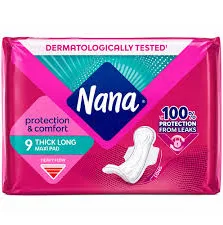
- cellulose, cotton blend, absorbent core
- We found no PFAS statement from the brand
- Bleach residues and processing chemicals in cellulose
3 hazards checked on this product, all on its full breakdown.
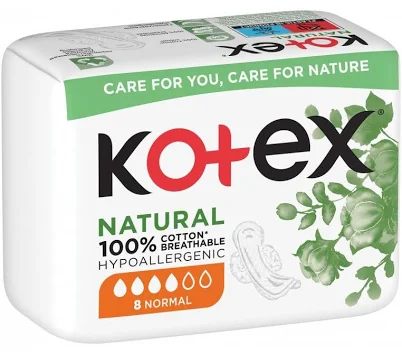
- Cotton, wood pulp absorbent core, plastic backing
- Pesticide residue
2 hazards checked on this product, all on its full breakdown.
More period pads grades
How we score, every product runs through the same public 0-100 rubric based on materials, coatings, brand disclosure, lab findings, and recalls. See the full methodology → Spotted a mistake? Report an error.