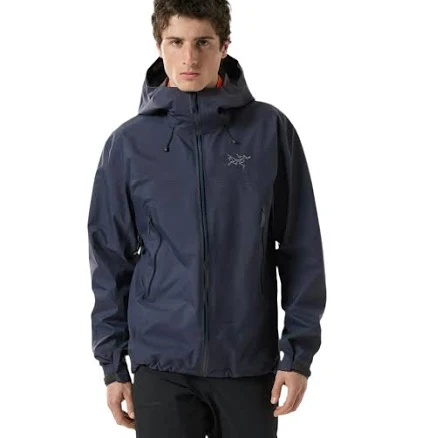
Arc'Teryx Beta SL Jacket for Men Black Sapphire / M
Avoid or ask Arc'teryx directly, waterproof jackets typically use PFAS-based water-repellent coating with no brand transparency.
This lightweight hardshell requires water-repellent coating treatment to waterproof the nylon exterior, but Arc'teryx doesn't disclose whether the coating contains PFAS or fluorine-free alternatives. Most waterproof apparel still relies on PFAS.
Still want this one anyway? Check the price on Amazon. We’d swap it.
Material
Nylon shell with water-repellent coating (water-repellent coating) treatment
Lab data
No public lab test
You may also be interested in
Top-graded picks in the categories readers replace first, every one scored on the same rubric.

- polypropylene filter housing, carbon/sediment cartridge
- We found no PFAS statement from the brand
- Bacterial growth in spent cartridges
3 hazards checked on this product, all on its full breakdown.

Aquasure
Premier Series 75 GPD Under Sink Reverse Osmosis Water Filtration System
- RO membrane, carbon filters, stainless steel housing
- We found no PFAS statement from the brand
- Bacterial and microbial growth in housing and filters
4 hazards checked on this product, all on its full breakdown.

Avocado
Vegan Mattress
- organic cotton, natural latex, coconut coir, recycled steel coils
- The brand calls it PFAS-free, which we have not verified
- Heavy metals
2 hazards checked on this product, all on its full breakdown.
What Arc'Teryx Beta SL Jacket Sapphire / M is made of, ingredients and materials
The Beta SL uses a nylon shell fabric bonded with a water-repellent coating (water-repellent coating) finish. water-repellent coating coatings shed water without creating a fully waterproof barrier, relying on a breathable membrane or coating layer to manage moisture. Arc'teryx does not publicly specify whether their water-repellent coating is fluorocarbon-based (PFAS-containing) or fluorocarbon-free, which is the critical unknown for this jacket. Nylon itself is chemically stable and does not leach, but the water-repellent coating treatment is the variable.
What’s concerning
Category baseline
The starting point for this type of product, before anything specific to this product is counted.
No PFAS disclosure
No public statement from the brand about PFAS in this product.
Waterproof / stain-resistant treatment
Water-repellent coating treatments have historically used PFAS.
PFAS
Arc'teryx does not disclose water-repellent coating chemistry. Most nylon softshells at this price point use legacy PFAS-based formulations, but fluorocarbon-free alternatives are increasingly available. Skin contact and laundry runoff are low-risk; inhalation during manufacturing is the occupational concern, not consumer use.
Source, ATSDR ↗Coating degradation and microplastic shedding
As water-repellent coating ages and wears, microscopic particles may shed during washing. This is true of all synthetic jacket coatings. Use a wash bag and wash infrequently to minimize shedding. The nylon substrate itself does not produce microplastics under normal wear.
What’s reassuring
Formaldehyde / VOCs
No formaldehyde violations or complaints are on record for Arc'teryx apparel. Nylon fibers and standard water-repellent coating treatments do not inherently require formaldehyde resins. Premium brand quality control makes this unlikely but not impossible.
Source, ATSDR ↗Azo dyes in colored components
Arc'teryx products are typically tested for restricted azo dyes under EU and major retailer standards. The Black Sapphire colorway is a standard offering with no known dye-related incidents. Colorfast quality is a brand hallmark.
Heavy metals
Arc'teryx does not use cadmium, lead, or chromium-based dyes in apparel. Quality control and retailer compliance (REI, major outdoor retailers) enforce heavy metal limits. No violations are documented.
Source, FDA ↗How is this PFAS grade calculated?
The brand's record and disclosure
Arc'teryx has not published a committed timeline to eliminate PFAS from apparel products, nor do they disclose water-repellent coating chemistry on product labels or websites. The brand maintains high standards for durability and performance testing but has not aligned with transparency movements seen in competitor brands (e.g., Patagonia's partial PFAS phaseout announcements). No recalls or toxicant violations have been documented for Arc'teryx softshells in public records. Direct contact with the brand is the only way to confirm current water-repellent coating formulation.
How it compares in its category
Most premium softshell jackets in Arc'teryx's category use PFAS-based water-repellent coating for durability; fluorocarbon-free alternatives do exist but are less common at this performance tier. Brands like Patagonia and some outdoor manufacturers have shifted to non-PFAS water-repellent coating on select products, though efficacy trade-offs and cost premiums are common. Arc'teryx's silence on this issue is not unusual among high-performance brands but lags behind leaders in disclosure. If PFAS avoidance is a priority, competitor research or direct inquiry is necessary.
If you buy it
Wash sparingly in cool water and air-dry to extend water-repellent coating durability; avoid high heat and direct dryer use, which can degrade the coating. Do not iron or apply direct heat. After 50-100 wash cycles, water-repellent coating efficacy declines; reapplication products (fluorocarbon-free options available) can extend life. Before purchase, email Arc'teryx customer service to confirm whether the current Beta SL uses PFAS or non-PFAS water-repellent coating; their response will clarify your risk.
What is not known about PFAS in this product?
- Basis
- Model estimate, 45% confidence, not a lab result
- Lab test
- None on record for this exact product
- Brand statement
- Arc'teryx has made a specific claim
Formulations change between production runs, so check the current label. How we grade.
What are the PFAS-free alternatives to Arc'Teryx Beta SL Jacket for Men Black Sapphire / M?
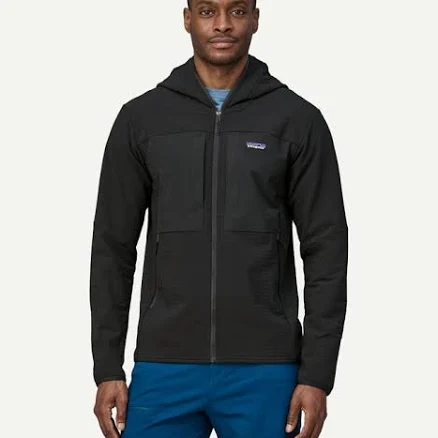
- Polyester shell with water-repellent coating treatment
- The brand calls it PFAS-free, which we have not verified
- PFAS
3 hazards checked on this product, all on its full breakdown.
Find an alternative on Amazon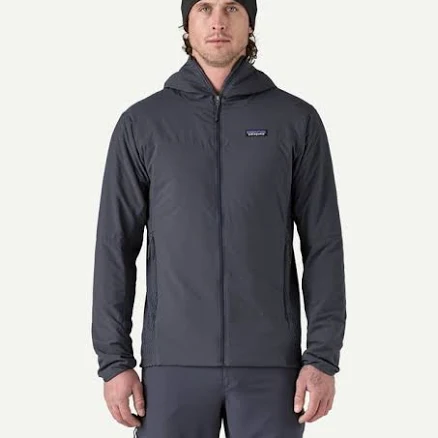
- Polyester ripstop with water-repellent coating finish (nylon stretch side)
- The brand calls it PFAS-free, which we have not verified
- water-repellent coating chemistry (unidentified)
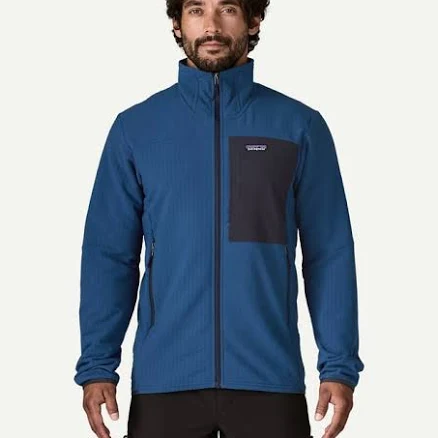
- Polyester with water-repellent coating (water-repellent coating) treatment
- The brand calls it PFAS-free, which we have not verified
- water-repellent coating chemistry, unspecified fluorocarbon alternative
3 hazards checked on this product, all on its full breakdown.
Find an alternative on AmazonMore softshell jackets grades
How we score, every product runs through the same public 0-100 rubric based on materials, coatings, brand disclosure, lab findings, and recalls. See the full methodology → Spotted a mistake? Report an error.