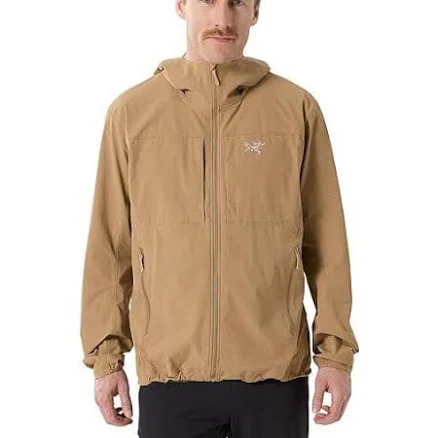
Arc'teryx Gamma Lightweight Hoody Men's
water-repellent coating treatment chemistry not disclosed, raising concern for potential PFAS use.
This polyester/nylon blend softshell has a water-repellent coating finish, but Arc'teryx does not disclose the treatment chemistry. The brand has no PFAS statement on record for this product.
Still want this one anyway? Check the price on Amazon. We’d swap it.
Material
Polyester/nylon blend with water-repellent coating treatment
Lab data
No public lab test
You may also be interested in
Top-graded picks in the categories readers replace first, every one scored on the same rubric.

- polypropylene filter housing, carbon/sediment cartridge
- We found no PFAS statement from the brand
- Bacterial growth in spent cartridges
3 hazards checked on this product, all on its full breakdown.

Aquasure
Premier Series 75 GPD Under Sink Reverse Osmosis Water Filtration System
- RO membrane, carbon filters, stainless steel housing
- We found no PFAS statement from the brand
- Bacterial and microbial growth in housing and filters
4 hazards checked on this product, all on its full breakdown.

Avocado
Vegan Mattress
- organic cotton, natural latex, coconut coir, recycled steel coils
- The brand calls it PFAS-free, which we have not verified
- Heavy metals
2 hazards checked on this product, all on its full breakdown.
What Arc'teryx Gamma Lightweight Hoody Men's is made of, ingredients and materials
The Gamma Lightweight Hoody uses a polyester-nylon blend with a water-repellent coating (water-repellent coating) finish applied to the outer layer. water-repellent coating treatments historically relied on PFAS "forever chemicals" (PFAS) to achieve water resistance; Arc'teryx does not specify whether this jacket uses legacy fluorocarbon-based water-repellent coating or has transitioned to non-fluorinated alternatives. Polyester and nylon themselves are chemically stable during normal wear, but the water-repellent coating treatment chemistry determines potential leaching or off-gassing risk.
What’s concerning
Category baseline
The starting point for this type of product, before anything specific to this product is counted.
No PFAS disclosure
No public statement from the brand about PFAS in this product.
Waterproof / stain-resistant treatment
Water-repellent coating treatments have historically used PFAS.
PFAS
Arc'teryx does not specify whether the Gamma Lightweight Hoody uses fluorinated or non-fluorinated water-repellent coating. Industry baseline for softshells in this performance tier remains legacy PFAS-based treatments unless explicitly stated otherwise. This is flagged under PFAS separately but compounds other hazard assessment.
Source, ATSDR ↗water-repellent coating degradation and microfiber shedding
Fluorinated water-repellent coating coatings on polyester shed microfibers during washing and wear; these enter waterways and persist. This is not a direct health risk to the wearer but an environmental concern that worsens as the water-repellent coating layer breaks down over time.
Polyester heat sensitivity
Polyester melts around 260C (500F). Tumble-drying on high heat or pressing can degrade fibers and release volatile organic compounds. Standard low-heat or air-dry care mitigates this, but user error is a real risk.
What’s reassuring
Formaldehyde / VOCs
No recalls or reports of excessive formaldehyde residues in Arc'teryx softshells on record. Polyester-nylon blends can retain trace formaldehyde from manufacturing resins, but outdoor apparel with water-repellent coating treatments typically undergo adequate finishing to prevent problematic off-gassing.
Source, ATSDR ↗Azo dyes and colorant toxicity
Arc'teryx products are not flagged for restricted azo dyes. The brand maintains decent compliance with apparel chemical standards, though no specific dye-chemistry disclosure is published for the Gamma Hoody.
How is this PFAS grade calculated?
The brand's record and disclosure
Arc'teryx does not publicly disclose water-repellent coating chemistry, bluesign approval status, or PFAS-free certification for this model. The company has no published commitment to phasing out fluorinated water-repellent coating as of the latest available information. This silence is typical among outdoor apparel brands but reflects a lack of transparency rather than confirmed ingredients with no hazard of this kind on record. Without third-party certification (such as bluesign or GOTS), you cannot verify treatment composition.
How it compares in its category
Most premium softshells in this price range (Arc'teryx Gamma falls in the mid-to-high bracket) still use fluorinated water-repellent coating; non-fluorinated alternatives exist but are less common at this performance level. Patagonia and some Rab models offer bluesign certification and explicit PFAS-free claims, making them more transparent alternatives. Arc'teryx's opacity on chemistry places it in the middle of the category for disclosure standards, neither leading nor lagging noticeably.
If you buy it
Wash separately in cool water (under 40C/104F) to minimize water-repellent coating leaching into waterways and prevent accelerated breakdown of the coating. Avoid fabric softeners, heat drying, and tumble drying; air dry to extend water-repellent coating life and reduce off-gassing. Replace the jacket once the water-repellent coating visibly degrades (water beads no longer form on the surface) rather than attempting reproofing with additional fluorinated treatments. Do not expose to direct flame or high heat, as polyester can melt and release monomer volatiles.
What is not known about PFAS in this product?
- Basis
- Model estimate, 45% confidence, not a lab result
- Lab test
- None on record for this exact product
- Brand statement
- Arc'teryx has made a specific claim
Formulations change between production runs, so check the current label. How we grade.
What are the PFAS-free alternatives to Arc'teryx Gamma Lightweight Hoody Men's?
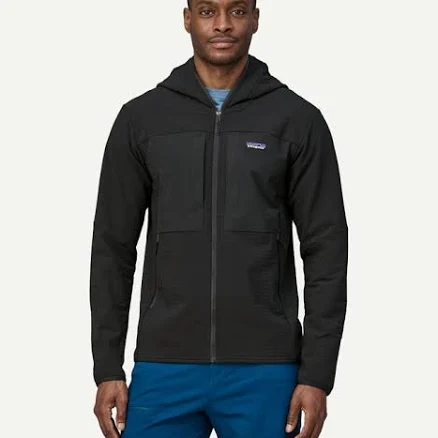
- Polyester shell with water-repellent coating treatment
- The brand calls it PFAS-free, which we have not verified
- PFAS
3 hazards checked on this product, all on its full breakdown.
Find an alternative on Amazon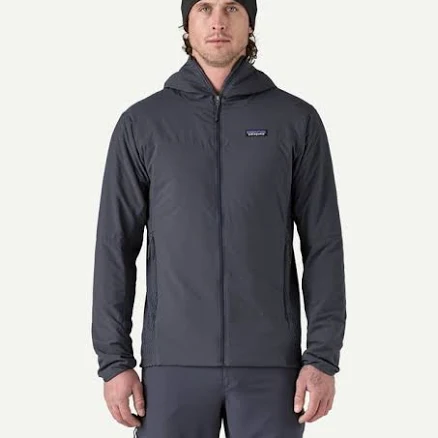
- Polyester ripstop with water-repellent coating finish (nylon stretch side)
- The brand calls it PFAS-free, which we have not verified
- water-repellent coating chemistry (unidentified)
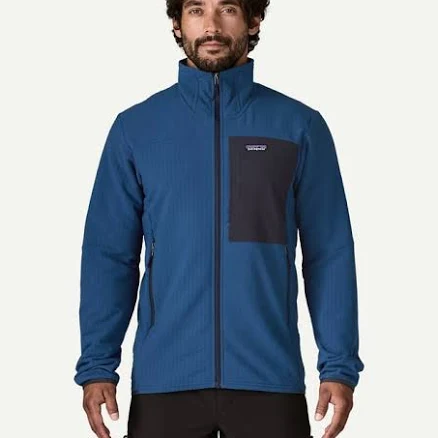
- Polyester with water-repellent coating (water-repellent coating) treatment
- The brand calls it PFAS-free, which we have not verified
- water-repellent coating chemistry, unspecified fluorocarbon alternative
3 hazards checked on this product, all on its full breakdown.
Find an alternative on AmazonMore softshell jackets grades
How we score, every product runs through the same public 0-100 rubric based on materials, coatings, brand disclosure, lab findings, and recalls. See the full methodology → Spotted a mistake? Report an error.