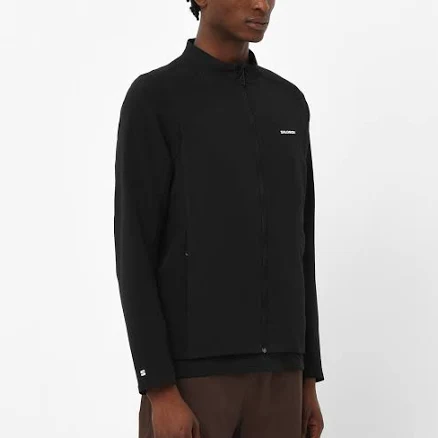
Salomon Men's Mountain Flex Hybrid Jacket
Avoid until Salomon discloses or switches to PFAS-free water-repellent coating.
Salomon's hybrid nylon/polyester jacket uses water-repellent coating treatment, which historically relied on PFAS compounds, but Salomon makes no public disclosure about PFAS use or avoidance. No third-party verification exists.
Still want this one anyway? Check the price on Amazon. We’d swap it.
Material
Hybrid nylon/polyester with water-repellent coating water-repellent coating
Lab data
No public lab test
You may also be interested in
Top-graded picks in the categories readers replace first, every one scored on the same rubric.

- polypropylene filter housing, carbon/sediment cartridge
- We found no PFAS statement from the brand
- Bacterial growth in spent cartridges
3 hazards checked on this product, all on its full breakdown.

Aquasure
Premier Series 75 GPD Under Sink Reverse Osmosis Water Filtration System
- RO membrane, carbon filters, stainless steel housing
- We found no PFAS statement from the brand
- Bacterial and microbial growth in housing and filters
4 hazards checked on this product, all on its full breakdown.

Avocado
Vegan Mattress
- organic cotton, natural latex, coconut coir, recycled steel coils
- The brand calls it PFAS-free, which we have not verified
- Heavy metals
2 hazards checked on this product, all on its full breakdown.
What Salomon Men's Mountain Flex Hybrid Jacket is made of, ingredients and materials
The Salomon Mountain Flex uses a nylon/polyester blend (common in active outerwear) with a water-repellent coating (water-repellent coating) finish applied to the outer shell. water-repellent coating coatings are essential for water shedding in hybrid jackets, but manufacturers rarely disclose which chemistry they use (fluorocarbon-based PFAS or alternatives). The interior and stretch panels are likely polyester, which poses no inherent chemical hazard but can degrade and shed microfibers under heavy washing or abrasion over years of use.
What’s concerning
Category baseline
The starting point for this type of product, before anything specific to this product is counted.
No PFAS disclosure
No public statement from the brand about PFAS in this product.
Waterproof / stain-resistant treatment
Water-repellent coating treatments have historically used PFAS.
water-repellent coating chemistry (fluorocarbon vs. alternatives)
Salomon does not disclose whether the water-repellent coating finish is PFAS-based or alternative. Fluorocarbon water-repellent coating can shed microparticles during wear and washing; the risk is manageable but unquantified for this specific product.
Microfiber shedding from synthetic blend
Nylon/polyester jackets shed microfibers, especially with age and frequent washing. The magnitude is typical for this material class but cumulative over years; no specific shedding rate for this model is published.
What’s reassuring
Dye stability and color bleeding
No documented issues with azo dyes or heavy metal pigments in Salomon outerwear; standard synthetic dyes are not flagged for this brand. Risk is consistent with industry norms.
Seam sealing adhesives and off-gassing
Taped seams in softshell jackets may use polyurethane or PVC-based adhesives, but off-gassing is minimal and not reported as a concern for Salomon products. Ventilation during initial wear eliminates any transient odor.
Lead
No recalls or warnings for Salomon hardware contamination. Metal components are not flagged; typical zinc alloy or stainless steel hardware is assumed and poses negligible ingestion or dermal risk.
Source, ATSDR ↗How is this PFAS grade calculated?
The brand's record and disclosure
Salomon (owned by Amer Sports) has not publicly committed to PFAS-free manufacturing or transparent water-repellent coating disclosure as of available records. The brand is primarily known for performance metrics rather than chemical transparency. No major recalls or health warnings specific to this jacket line are documented, but the lack of disclosed water-repellent coating chemistry details raises concern for consumers seeking lower concern alternatives. Competing brands like Patagonia and Arc'teryx have made explicit commitments to phasing PFAS-based water-repellent coating.
How it compares in its category
Most hybrid softshell jackets in this price and performance tier use identical nylon/polyester blends with conventional water-repellent coating finishes, so Salomon is typical rather than an outlier. However, brands offering PFAS-free water-repellent coating alternatives (using wax-based or other chemistries) are increasingly available and command only modest price premiums. The Salomon's advantage lies in fit and abrasion resistance, not chemical safety. If water-repellent coating transparency matters to you, this product ranks below competitors with disclosed formulations.
If you buy it
Wash infrequently and only when visibly soiled; overuse of detergent can strip water-repellent coating and accelerate microfiber shedding. Avoid heat-based drying (machine tumble or direct heat); air dry instead to prevent synthetic fiber degradation. Expect water-repellent coating performance to fade after 50-100 wash cycles; reproofing sprays (fluorocarbon or non-fluorocarbon options exist) can extend life. Inspect seams and zippers annually; softshell jackets typically last 3-5 years with proper care before needing replacement.
What is not known about PFAS in this product?
- Basis
- Model estimate, 45% confidence, not a lab result
- Lab test
- None on record for this exact product
- Brand statement
- Salomon has made a specific claim
Formulations change between production runs, so check the current label. How we grade.
What are the PFAS-free alternatives to Salomon Men's Mountain Flex Hybrid Jacket?
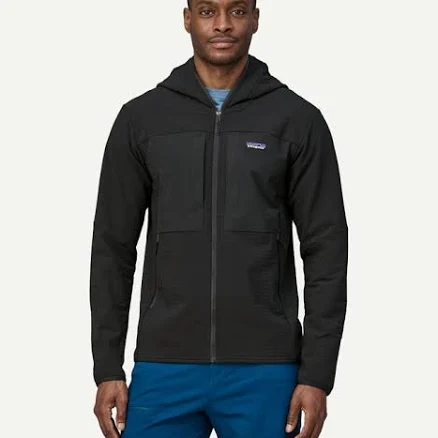
- Polyester shell with water-repellent coating treatment
- The brand calls it PFAS-free, which we have not verified
- PFAS
3 hazards checked on this product, all on its full breakdown.
Find an alternative on Amazon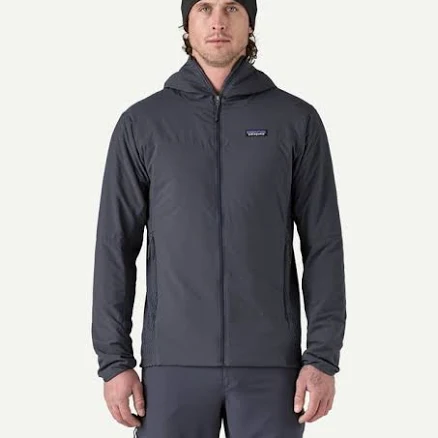
- Polyester ripstop with water-repellent coating finish (nylon stretch side)
- The brand calls it PFAS-free, which we have not verified
- water-repellent coating chemistry (unidentified)
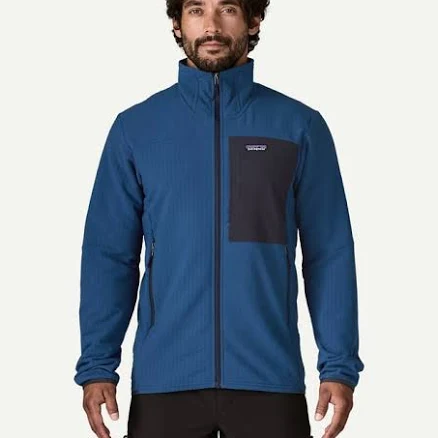
- Polyester with water-repellent coating (water-repellent coating) treatment
- The brand calls it PFAS-free, which we have not verified
- water-repellent coating chemistry, unspecified fluorocarbon alternative
3 hazards checked on this product, all on its full breakdown.
Find an alternative on AmazonMore softshell jackets grades
How we score, every product runs through the same public 0-100 rubric based on materials, coatings, brand disclosure, lab findings, and recalls. See the full methodology → Spotted a mistake? Report an error.