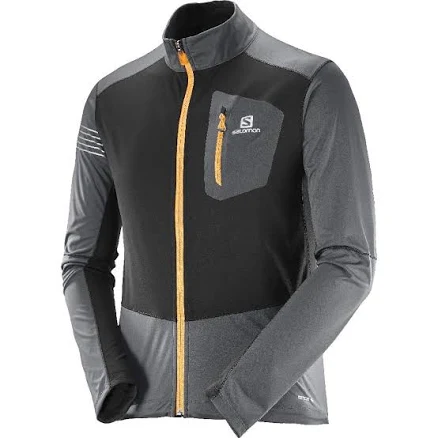
Salomon Men's RS Softshell Jacket
Moderate PFAS concern due to waterproof treatment with undisclosed chemistry.
Salomon's polyamide softshell uses water-resistant treatment, a category historically reliant on PFAS-based water-repellent coating coatings. The brand provides no public disclosure of PFAS avoidance or alternatives.
Still want this one anyway? Check the price on Amazon. We’d swap it.
Material
Polyamide softshell with unspecified water-repellent coating
Lab data
No public lab test
You may also be interested in
Top-graded picks in the categories readers replace first, every one scored on the same rubric.

- polypropylene filter housing, carbon/sediment cartridge
- We found no PFAS statement from the brand
- Bacterial growth in spent cartridges
3 hazards checked on this product, all on its full breakdown.

Aquasure
Premier Series 75 GPD Under Sink Reverse Osmosis Water Filtration System
- RO membrane, carbon filters, stainless steel housing
- We found no PFAS statement from the brand
- Bacterial and microbial growth in housing and filters
4 hazards checked on this product, all on its full breakdown.

Avocado
Vegan Mattress
- organic cotton, natural latex, coconut coir, recycled steel coils
- The brand calls it PFAS-free, which we have not verified
- Heavy metals
2 hazards checked on this product, all on its full breakdown.
What Salomon Men's RS Softshell Jacket is made of, ingredients and materials
The Salomon RS is constructed from polyamide (nylon) with a softshell membrane designed for breathability and water resistance. The water-repellent coating (water-repellent coating) finish is the chemical wild card, Salomon has not publicly disclosed whether this uses PFAS-based or PFAS-free chemistry, which is the primary concern for this garment. Polyamide itself is stable under normal wear and washing, though repeated heat exposure (hot dryers, direct sun) can degrade both the fabric and any applied coatings.
What’s concerning
Category baseline
The starting point for this type of product, before anything specific to this product is counted.
No PFAS disclosure
No public statement from the brand about PFAS in this product.
Waterproof / stain-resistant treatment
Water-repellent coating treatments have historically used PFAS.
PFAS
Salomon has not disclosed the water-repellent coating formulation. Industry practice suggests likely PFAS-based chemistry given the brand's silence and price point, though this is not confirmed by public testing or recall data. This is the primary chemical concern for this product.
Source, ATSDR ↗Polyamide fiber degradation under heat
Nylon softshell fabrics degrade when exposed to high temperatures (hot water wash, machine dryer, prolonged sun exposure), which can cause the fiber to weaken and any applied coatings to break down prematurely, potentially increasing leaching of residual water-repellent coating chemicals.
Volatile organic compound (VOC) off-gassing from membrane
Softshell membranes and polyurethane-based adhesives can release low levels of VOCs when new, particularly in humid or warm conditions. This typically dissipates within days to weeks of airing and poses minimal risk under normal outdoor use but may be noticeable indoors when new.
What’s reassuring
Formaldehyde / VOCs
No public reports of formaldehyde-based resins in Salomon softshells. Modern polyamide softshells rarely rely on formaldehyde curing, though older or budget softshell treatments may include it; Salomon's mid-tier manufacturing typically avoids this.
Source, ATSDR ↗Azo dyes or antimony in polyester/polyamide
No public health alerts or recalls involving azo dyes or antimony in Salomon softshells. Polyamide dyes are generally subject to EU and US textile safety standards; no specific concern is documented for this brand or material.
How is this PFAS grade calculated?
The brand's record and disclosure
Salomon, owned by Amer Sports, has not published a detailed chemical disclosure policy or PFAS phase-out commitment comparable to brands like Patagonia or Arc'teryx. The company's sustainability reports focus on manufacturing practices and materials sourcing but remain silent on water-repellent coating chemistry specifics. This lack of transparency is standard among mid-tier outdoor brands but reflects lower corporate commitment to chemical accountability than industry leaders.
How it compares in its category
Softshell jackets in this price and performance tier typically use either PFAS-based water-repellent coating (cheaper, longer-lasting) or alternatives not linked to PFAS (wax-based, polyurethane-based, declining performance over time). Salomon's silence suggests likely conventional PFAS water-repellent coating, though this is not confirmed. Higher-end competitors increasingly disclose PFAS-free treatments; budget alternatives may use older chemistries with even less transparency.
If you buy it
Wash in cool water with mild detergent and air-dry to preserve the water-repellent coating finish and avoid heat-induced coating breakdown. Avoid commercial dry cleaning and high-temperature machine drying, both of which accelerate coating degradation and increase leaching risk. Expect the water-repellent performance to degrade after 30-50 washes; at that point, replacement or professional re-treatment may be needed. Store dry and away from direct sunlight to slow synthetic fiber and coating degradation.
What is not known about PFAS in this product?
- Basis
- Model estimate, 45% confidence, not a lab result
- Lab test
- None on record for this exact product
- Brand statement
- Salomon has made a specific claim
Formulations change between production runs, so check the current label. How we grade.
What are the PFAS-free alternatives to Salomon Men's RS Softshell Jacket?
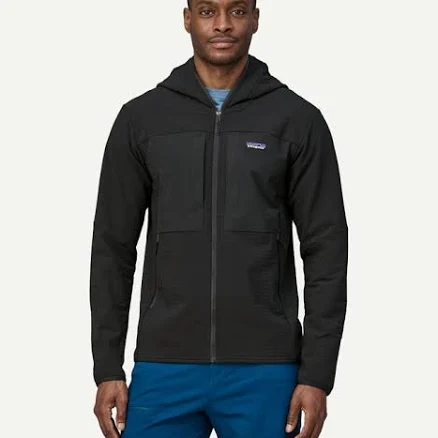
- Polyester shell with water-repellent coating treatment
- The brand calls it PFAS-free, which we have not verified
- PFAS
3 hazards checked on this product, all on its full breakdown.
Find an alternative on Amazon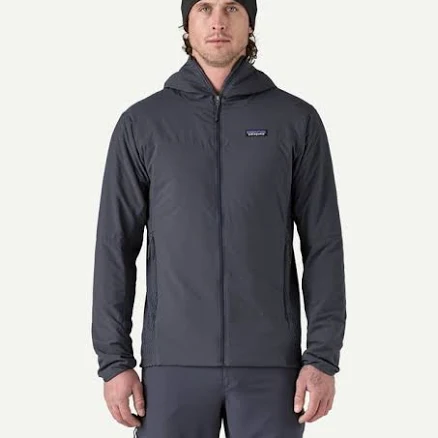
- Polyester ripstop with water-repellent coating finish (nylon stretch side)
- The brand calls it PFAS-free, which we have not verified
- water-repellent coating chemistry (unidentified)
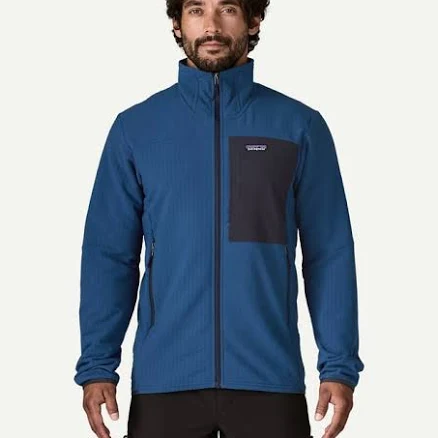
- Polyester with water-repellent coating (water-repellent coating) treatment
- The brand calls it PFAS-free, which we have not verified
- water-repellent coating chemistry, unspecified fluorocarbon alternative
3 hazards checked on this product, all on its full breakdown.
Find an alternative on AmazonMore softshell jackets grades
How we score, every product runs through the same public 0-100 rubric based on materials, coatings, brand disclosure, lab findings, and recalls. See the full methodology → Spotted a mistake? Report an error.