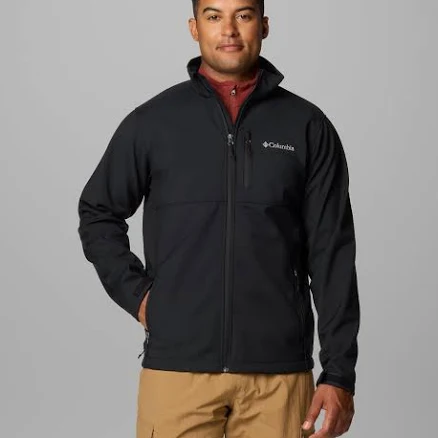
Columbia Men's Ascender Softshell Jacket
Avoid until Columbia reveals water-repellent coating chemistry; softshell jackets commonly use PFAS-based water treatments.
Columbia's softshell has a water-repellent coating finish, a major PFAS risk pathway, but the brand makes no public disclosure of whether it uses PFAS-free alternatives like wax or fluorine-free coatings. No third-party testing exists.
Still want this one anyway? Check the price on Amazon. We’d swap it.
Material
Softshell fabric with water-repellent coating (water-repellent coating) finish
Lab data
No public lab test
You may also be interested in
Top-graded picks in the categories readers replace first, every one scored on the same rubric.

- polypropylene filter housing, carbon/sediment cartridge
- We found no PFAS statement from the brand
- Bacterial growth in spent cartridges
3 hazards checked on this product, all on its full breakdown.

Aquasure
Premier Series 75 GPD Under Sink Reverse Osmosis Water Filtration System
- RO membrane, carbon filters, stainless steel housing
- We found no PFAS statement from the brand
- Bacterial and microbial growth in housing and filters
4 hazards checked on this product, all on its full breakdown.

Avocado
Vegan Mattress
- organic cotton, natural latex, coconut coir, recycled steel coils
- The brand calls it PFAS-free, which we have not verified
- Heavy metals
2 hazards checked on this product, all on its full breakdown.
What Columbia Men's Ascender Softshell Jacket is made of, ingredients and materials
Columbia's Ascender Softshell uses a synthetic softshell fabric (typically polyester or nylon blend) with a water-repellent coating (water-repellent coating) finish applied to the outer layer. The water-repellent coating is what makes this jacket water-resistant, but that finish is the primary concern, industry standard practice uses PFAS-based fluorochemicals for water-repellent coating durability, though some brands now offer PFAS-free alternatives. Columbia has not disclosed whether this specific jacket uses PFAS or fluorocarbon-free water-repellent coating chemistry. The base softshell fabric itself (polyester/nylon) carries minimal intrinsic hazard when worn as-is.
What’s concerning
Category baseline
The starting point for this type of product, before anything specific to this product is counted.
No PFAS disclosure
No public statement from the brand about PFAS in this product.
Waterproof / stain-resistant treatment
Water-repellent coating treatments have historically used PFAS.
PFAS
Softshell jackets commonly rely on PFAS-based fluorochemical water-repellent coating coatings. Columbia has not disclosed the chemistry for Ascender Softshell water-repellent coating, and industry practice suggests standard PFAS use is probable.
Source, ATSDR ↗Fragrance or skin irritants from water-repellent coating application
Some users report mild skin irritation or odor from newly purchased water-repellent apparel, likely from residual water-repellent coating chemistry or solvents. Rinsing and airing before wear can reduce this risk.
water-repellent coating degradation and reapplication necessity
Water-repellent coating finishes degrade with washing and wear. Reapplication typically required every 1-2 years; commercial water-repellent coating products often contain PFAS, creating a repeated exposure loop if not replaced with fluorocarbon-free alternatives.
What’s reassuring
Formaldehyde / VOCs
No recalls or documented reports of formaldehyde resin or problematic azo dyes in Columbia Ascender Softshell. Base synthetics are standard. Risk exists at industry level but is not specific to this product.
Source, ATSDR ↗Antimony in polyester fiber
Polyester may contain antimony as a polymerization catalyst, but levels in finished apparel are typically low and not subject to regulatory concern. No reports specific to Columbia Ascender.
How is this PFAS grade calculated?
The brand's record and disclosure
Columbia Sportswear has not published a public commitment to eliminate PFAS from apparel or a transparency report on water-repellent coating chemistry in their product lines. The brand does not list PFAS-free certifications (such as Bluesign or OEKO-TEX) for the Ascender Softshell on product pages. Columbia is a large, established outdoor brand but has remained largely silent on PFAS phase-out timelines compared to competitors like Patagonia or Arc'teryx, which have begun disclosing water-repellent coating alternatives.
How it compares in its category
Most mainstream softshell jackets in this price and performance range (including from North Face, Marmot, and similar brands) use conventional PFAS-based water-repellent coating finishes unless explicitly marked otherwise. Premium competitors (Patagonia, Arc'teryx) increasingly offer products with lower fluorochemical content or limited-fluorochemical options but at higher cost. Columbia's Ascender is positioned as an accessible outdoor layer, which typically correlates with standard water-repellent coating chemistry rather than costly alternatives. Without disclosure, this product sits at the category norm rather than a leader or laggard on chemical transparency.
If you buy it
Wash the jacket separately from other clothing in cold water the first 2-3 times to rinse any loose fluorochemical residue. Avoid machine drying at high heat; air dry to preserve the water-repellent coating. Reapply water-repellent coating treatments when water beads no longer form on the fabric (typically every 1-2 years depending on use); consider requesting reapplication products with lower fluorochemical content when available. Contact Columbia customer service directly to ask whether this model uses PFAS-based or fluorocarbon-free water-repellent coating; documented answers will inform future purchases.
What is not known about PFAS in this product?
- Basis
- Model estimate, 45% confidence, not a lab result
- Lab test
- None on record for this exact product
- Brand statement
- Columbia has made a specific claim
Formulations change between production runs, so check the current label. How we grade.
What are the PFAS-free alternatives to Columbia Men's Ascender Softshell Jacket?
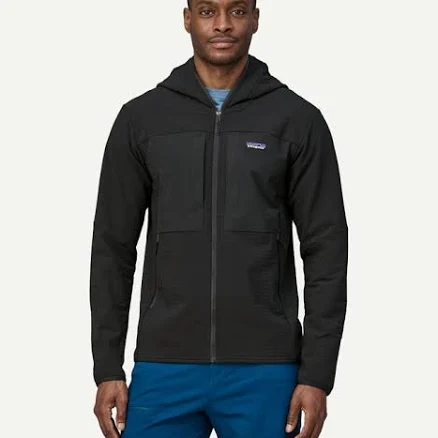
- Polyester shell with water-repellent coating treatment
- The brand calls it PFAS-free, which we have not verified
- PFAS
3 hazards checked on this product, all on its full breakdown.
Find an alternative on Amazon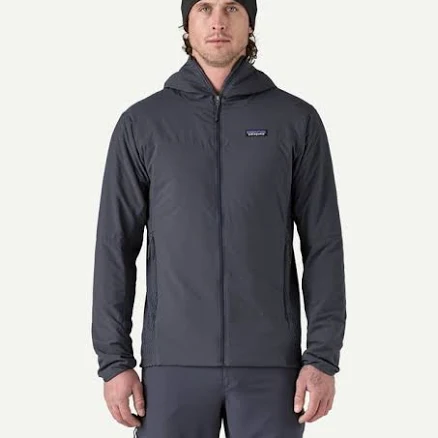
- Polyester ripstop with water-repellent coating finish (nylon stretch side)
- The brand calls it PFAS-free, which we have not verified
- water-repellent coating chemistry (unidentified)
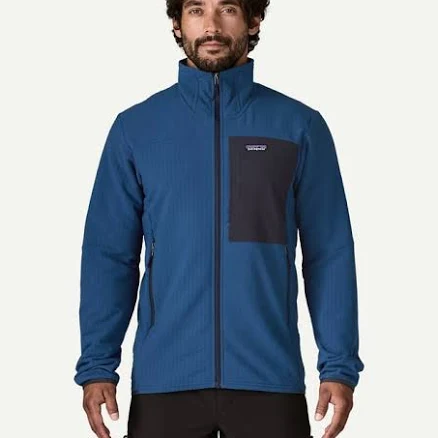
- Polyester with water-repellent coating (water-repellent coating) treatment
- The brand calls it PFAS-free, which we have not verified
- water-repellent coating chemistry, unspecified fluorocarbon alternative
3 hazards checked on this product, all on its full breakdown.
Find an alternative on AmazonMore softshell jackets grades
How we score, every product runs through the same public 0-100 rubric based on materials, coatings, brand disclosure, lab findings, and recalls. See the full methodology → Spotted a mistake? Report an error.