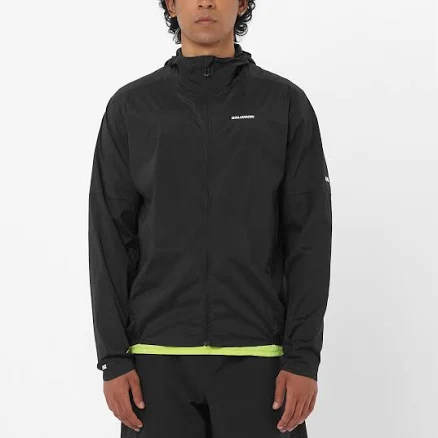
Men's Salomon Sense Aero Wind Jacket
Avoid unless Salomon discloses water-repellent coating chemistry, typical wind jackets use legacy PFAS.
The nylon/polyester shell has a water-repellent coating, but Salomon doesn't publicly disclose whether it uses PFAS-based or PFAS-free chemistry. Most traditional wind jackets at this price point still rely on fluorocarbon water-repellent coating.
Still want this one anyway? Check the price on Amazon. We’d swap it.
Material
Nylon/polyester shell with water-resistant treatment (water-repellent coating)
Lab data
No public lab test
You may also be interested in
Top-graded picks in the categories readers replace first, every one scored on the same rubric.

- polypropylene filter housing, carbon/sediment cartridge
- We found no PFAS statement from the brand
- Bacterial growth in spent cartridges
3 hazards checked on this product, all on its full breakdown.

Aquasure
Premier Series 75 GPD Under Sink Reverse Osmosis Water Filtration System
- RO membrane, carbon filters, stainless steel housing
- We found no PFAS statement from the brand
- Bacterial and microbial growth in housing and filters
4 hazards checked on this product, all on its full breakdown.

Avocado
Vegan Mattress
- organic cotton, natural latex, coconut coir, recycled steel coils
- The brand calls it PFAS-free, which we have not verified
- Heavy metals
2 hazards checked on this product, all on its full breakdown.
What Men's Salomon Sense Aero Wind Jacket is made of, ingredients and materials
The Sense Aero Wind Jacket uses a nylon and polyester blend shell with a water-repellent coating (water-repellent coating) finish applied to the outer surface. water-repellent coating coatings are the primary concern in softshell jackets because they historically relied on long-chain PFAS (perfluorooctanoic acid and relatives) for water shedding durability. Salomon has not publicly disclosed whether this jacket uses legacy PFAS-based water-repellent coating or newer fluorine-free alternatives. The base fabrics themselves (nylon, polyester) are stable and pose minimal leaching risk during normal wear.
What’s concerning
Category baseline
The starting point for this type of product, before anything specific to this product is counted.
No PFAS disclosure
No public statement from the brand about PFAS in this product.
Waterproof / stain-resistant treatment
Water-repellent coating treatments have historically used PFAS.
PFAS
Graded separately per brief, but flagged here, undisclosed water-repellent finish on nylon/polyester shell likely contains fluorinated compounds (legacy PFAS or fluorine-free substitutes unknown). No public testing of this specific model available.
Source, ATSDR ↗water-repellent coating degradation and microfiber release
As water-repellent coating wears or is laundered, microscopic particles may shed into wash water. Risk is low for normal wear but increases with frequent washing; fluorinated coating particles may persist in the environment.
What’s reassuring
Formaldehyde / VOCs
Nylon and polyester fabrics may contain trace formaldehyde-based dyes or wrinkle-resist finishes, but no recalls or complaints specific to Salomon jackets have been recorded. Standard industry processing controls minimize exposure.
Source, ATSDR ↗Azo dyes
Polyester and nylon yarns may be dyed with azo colorants, which are restricted in some jurisdictions but permitted in most apparel. No Salomon-specific azo dye violations are on record.
Antimony in polyester
Antimony trioxide is used as a catalyst in polyester synthesis and may remain as trace residue. Exposure during wear is negligible; no contamination incidents reported for Salomon sportswear.
How is this PFAS grade calculated?
The brand's record and disclosure
Salomon, owned by Amer Sports, has not published a comprehensive PFAS phase-out timeline or detailed water-repellent coating chemistry disclosure for its apparel lines as of available records. The brand does not appear on public lists of companies with strong PFAS commitments (e.g., Outdoor Industry Association initiatives on PFAS concern reduction), nor has it faced major recalls or litigation over PFAS in textiles. This silence is typical of mid-tier outdoor brands and suggests precaution is warranted until transparency improves.
How it compares in its category
Most mainstream softshell and wind jackets at this price point (typically under $150) use either legacy PFAS-water-repellent coating or have switched to fluorine-free alternatives without clear labeling. Competitors like The North Face, Arc'teryx, and Patagonia have begun disclosing water-repellent coating chemistry on product pages or sustainability reports; Salomon has not matched this transparency. Independent testing by organizations like Greenpeace has flagged PFAS in textiles from unnamed major brands, but no specific Salomon products have been publicly tested to date.
If you buy it
Wear the jacket normally; softshell jackets do not release appreciable water-repellent coating coatings into skin or water during use. Wash infrequently in cool water with mild detergent to preserve the water-repellent coating finish and minimize any coating degradation. Do not dry-clean or apply heat above 40C (104F), as high heat can accelerate water-repellent coating breakdown. Request water-repellent coating chemistry details from Salomon customer service before purchase to confirm PFAS status; if they cannot disclose, consider this a red flag.
What is not known about PFAS in this product?
- Basis
- Model estimate, 45% confidence, not a lab result
- Lab test
- None on record for this exact product
- Brand statement
- Salomon has made a specific claim
Formulations change between production runs, so check the current label. How we grade.
What are the PFAS-free alternatives to Men's Salomon Sense Aero Wind Jacket?
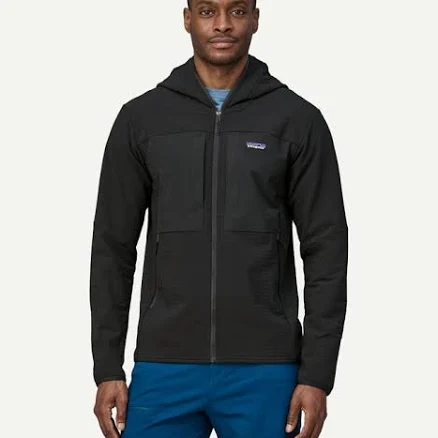
- Polyester shell with water-repellent coating treatment
- The brand calls it PFAS-free, which we have not verified
- PFAS
3 hazards checked on this product, all on its full breakdown.
Find an alternative on Amazon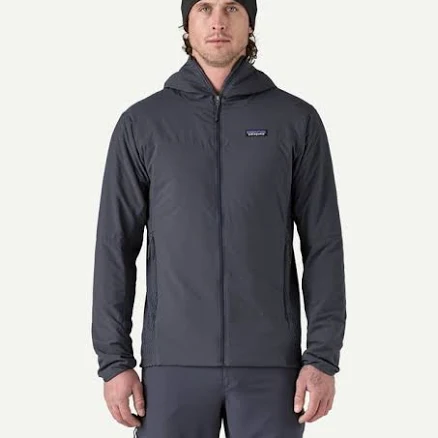
- Polyester ripstop with water-repellent coating finish (nylon stretch side)
- The brand calls it PFAS-free, which we have not verified
- water-repellent coating chemistry (unidentified)
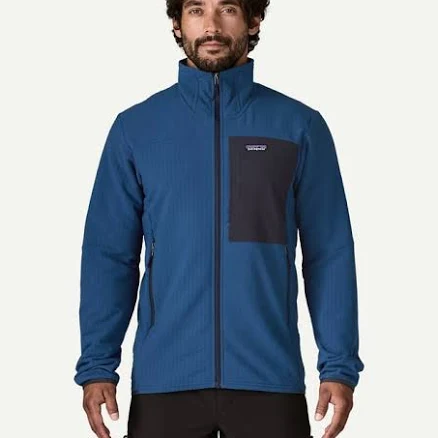
- Polyester with water-repellent coating (water-repellent coating) treatment
- The brand calls it PFAS-free, which we have not verified
- water-repellent coating chemistry, unspecified fluorocarbon alternative
3 hazards checked on this product, all on its full breakdown.
Find an alternative on AmazonMore softshell jackets grades
How we score, every product runs through the same public 0-100 rubric based on materials, coatings, brand disclosure, lab findings, and recalls. See the full methodology → Spotted a mistake? Report an error.