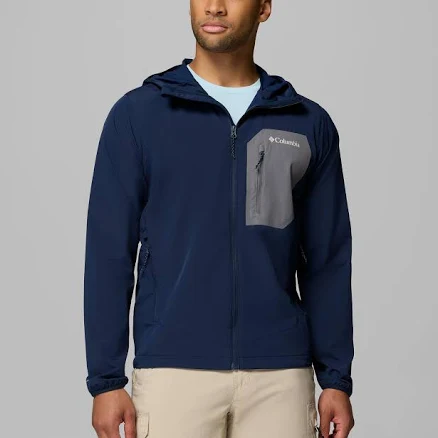
Columbia Men's Tall Heights III Hooded Softshell Jacket
Avoid until Columbia discloses water-repellent coating chemistry or certifies PFAS-free.
This softshell includes polyester with a water-repellent coating treatment typical of outdoor jackets, but Columbia doesn't publicly disclose whether the coating contains PFAS or alternatives. The risk remains unquantified.
Still want this one anyway? Check the price on Amazon. We’d swap it.
Material
Polyester shell with water-repellent coating (water-repellent coating) finish
Lab data
No public lab test
You may also be interested in
Top-graded picks in the categories readers replace first, every one scored on the same rubric.

- polypropylene filter housing, carbon/sediment cartridge
- We found no PFAS statement from the brand
- Bacterial growth in spent cartridges
3 hazards checked on this product, all on its full breakdown.

Aquasure
Premier Series 75 GPD Under Sink Reverse Osmosis Water Filtration System
- RO membrane, carbon filters, stainless steel housing
- We found no PFAS statement from the brand
- Bacterial and microbial growth in housing and filters
4 hazards checked on this product, all on its full breakdown.

Avocado
Vegan Mattress
- organic cotton, natural latex, coconut coir, recycled steel coils
- The brand calls it PFAS-free, which we have not verified
- Heavy metals
2 hazards checked on this product, all on its full breakdown.
What Columbia Men's Tall Softshell Jacket is made of, ingredients and materials
This jacket uses a polyester shell with a water-repellent coating (water-repellent coating) finish. water-repellent coating coatings historically relied on fluorochemicals (PFAS) to repel water, though some newer formulations use non-fluorinated alternatives. Columbia has not publicly disclosed which chemistry is used in this specific model. Polyester itself is chemically stable and poses minimal hazard; the concern is entirely in the surface treatment and whether fluorinated compounds are present.
What’s concerning
Category baseline
The starting point for this type of product, before anything specific to this product is counted.
No PFAS disclosure
No public statement from the brand about PFAS in this product.
Waterproof / stain-resistant treatment
Water-repellent coating treatments have historically used PFAS.
PFAS
Water-repellent coating finish chemistry is undisclosed by Columbia. Industry standard has historically been PFAS-based; non-fluorinated alternatives now exist but are not confirmed for this model. Potential for bioaccumulation if jacket sheds coating particles or water-off residues into environment.
Source, ATSDR ↗VOC off-gassing from coating and adhesives
New synthetic textiles may emit volatile organic compounds during initial use, particularly if stored in warm conditions. This is typically mild and resolves within days of airing out. No concentration data specific to this jacket is available.
What’s reassuring
Azo dyes in polyester
Columbia polyester typically undergoes restricted azo dye screening for commercial textiles. No specific safety incidents or failures reported for this jacket. Standard textile manufacturing controls apply.
Antimony catalyst residues in polyester
Polyester synthesis uses antimony oxide as a catalyst; residual levels in finished fiber are typically minimal and not bioavailable. Columbia products have not been flagged for elevated antimony content in independent testing.
Formaldehyde / VOCs
Modern softshell finishing does not typically require formaldehyde-based resins. Columbia does not disclose formaldehyde use for this product line, and no regulatory action or complaint history exists.
Source, ATSDR ↗How is this PFAS grade calculated?
The brand's record and disclosure
Columbia has not made a public commitment to PFAS-free water-repellent coating or disclosed specific fluorochemical use across its product line. The company remains silent on whether this jacket uses legacy PFAS-based water repellents or newer non-fluorinated alternatives. No recalls or safety controversies specific to Columbia softshells have been documented. This lack of transparency is unusual for outdoor brands that market to environmentally conscious consumers.
How it compares in its category
Many major outdoor brands (Patagonia, Arc'teryx, The North Face) now offer PFAS-free or fluorocarbon-free water-repellent coating options with full disclosure. Columbia's Tall Heights III sits in the mid-range price segment but does not benefit from transparent sourcing or third-party certification of water-repellent coating chemistry. In this category, equivalent jackets with certified PFAS-free water repellency or non-fluorinated treatments are available, making the lack of disclosure a relative disadvantage.
If you buy it
Wash infrequently and use cool water to extend water-repellent coating life and minimize any potential leaching. Avoid high heat (dryers, irons) which can degrade coatings and potentially volatilize surface chemicals. After 2-3 years of regular use, water-repellent coating typically fails and reapplication requires purchasing aftermarket treatments (which may also contain PFAS). Store in a cool, dry place away from direct sunlight to slow coating degradation.
What is not known about PFAS in this product?
- Basis
- Model estimate, 35% confidence, not a lab result
- Lab test
- None on record for this exact product
- Brand statement
- Columbia has made a specific claim
Formulations change between production runs, so check the current label. How we grade.
What are the PFAS-free alternatives to Columbia Men's Tall Heights III Hooded Softshell Jacket?
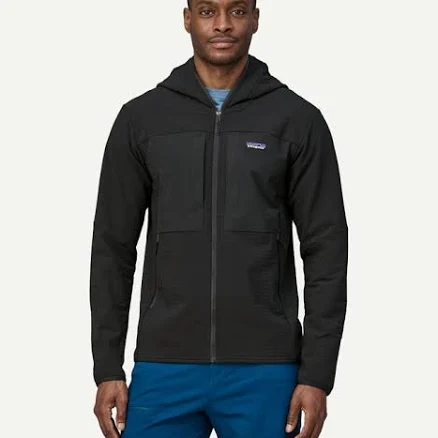
- Polyester shell with water-repellent coating treatment
- The brand calls it PFAS-free, which we have not verified
- PFAS
3 hazards checked on this product, all on its full breakdown.
Find an alternative on Amazon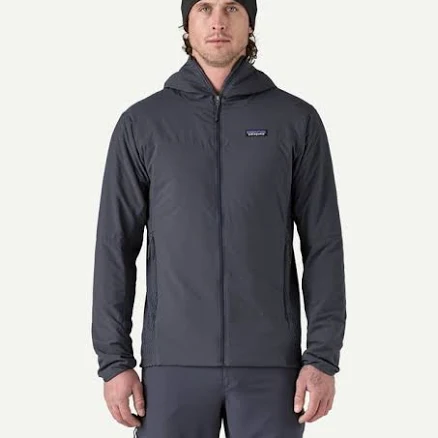
- Polyester ripstop with water-repellent coating finish (nylon stretch side)
- The brand calls it PFAS-free, which we have not verified
- water-repellent coating chemistry (unidentified)
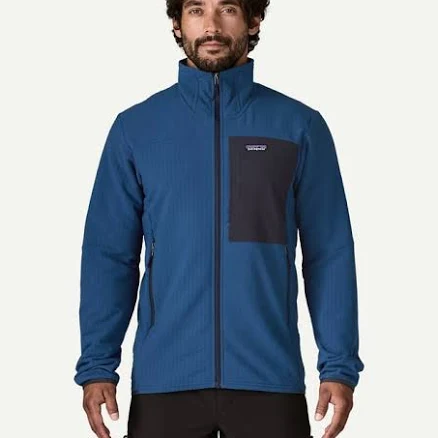
- Polyester with water-repellent coating (water-repellent coating) treatment
- The brand calls it PFAS-free, which we have not verified
- water-repellent coating chemistry, unspecified fluorocarbon alternative
3 hazards checked on this product, all on its full breakdown.
Find an alternative on AmazonMore softshell jackets grades
How we score, every product runs through the same public 0-100 rubric based on materials, coatings, brand disclosure, lab findings, and recalls. See the full methodology → Spotted a mistake? Report an error.